

Disclosure: As an Amazon Associate, we earn from qualifying purchases. This means we may receive a small commission at no extra cost to you if you click our links.
Blog Post:
ventless washer dryer units are changing the way people handle laundry in apartments and small spaces, offering flexible installation options without sacrificing cleaning power.
Key Takeaways
- Ventless washer dryer combos offer apartment dwellers easy installation and space-saving convenience, but often have slower drying times and a niche market presence.
- Prioritize features like heat pump technology, medium capacity, and quiet operation for maximum efficiency in small homes.
- Real-world user complaints are underreported; check installation specs and verified reviews before purchasing any combo.
Understanding Ventless Washer Dryer Combos
Ventless washer dryer units combine washing and drying in one compact machine, making them a popular solution for apartments, condos, and other small living spaces. Unlike traditional vented dryers, which require an external duct to expel hot air and moisture, ventless models use condenser or heat pump technology to dry clothes without the need for a vent. This allows for flexible placement, even in spaces where installing a vent is not feasible.
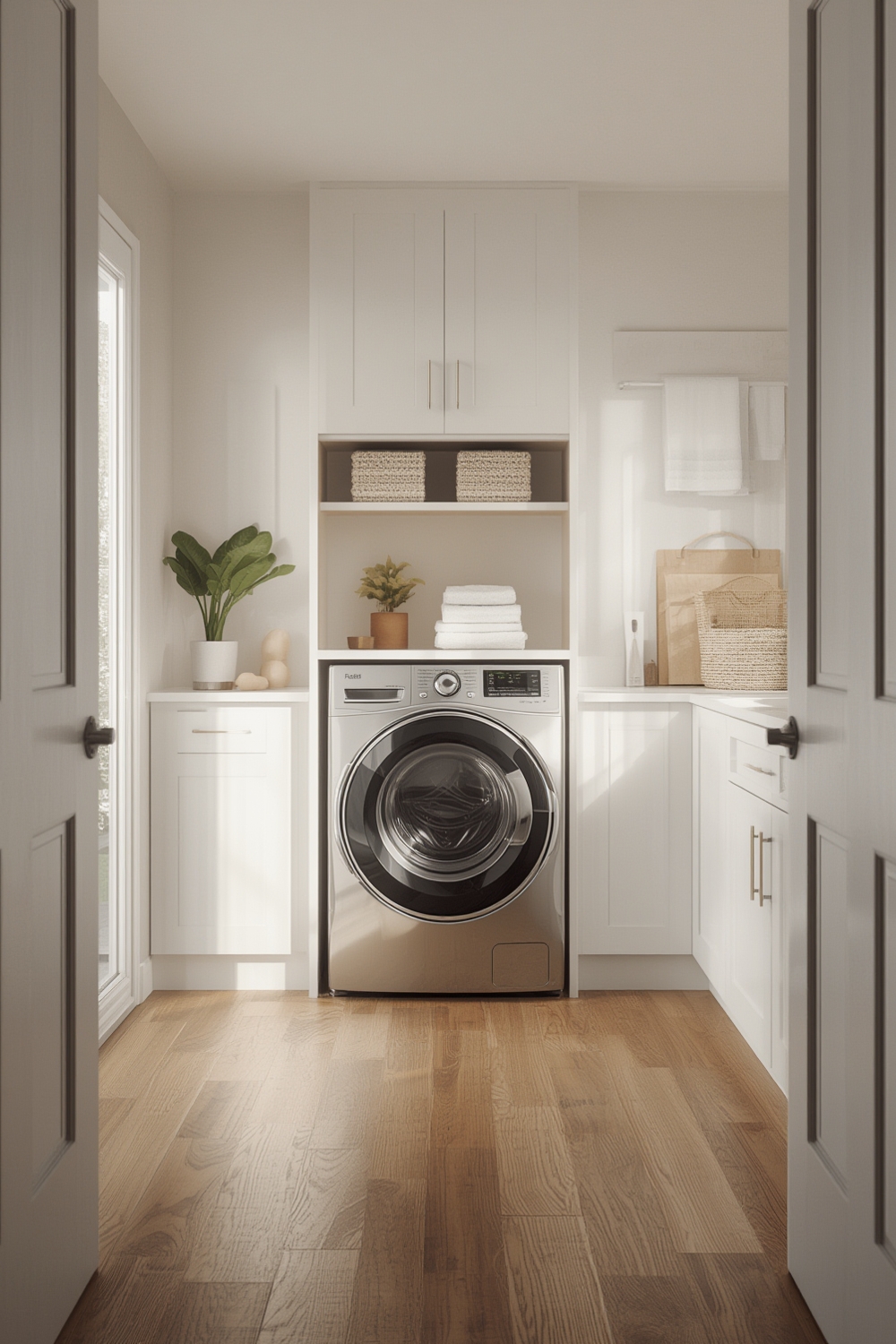
These systems are particularly attractive to renters and those in urban areas. According to recent market reports, the global fully built-in washer dryer market was valued at USD 818 million in 2024 with strong growth predicted through 2034. The premium built-in ventless segment is growing, driven by smart features and quiet operation which are highly valued in apartments. However, low sales numbers in the portable/RV segment suggest ventless units remain a niche outside of major cities.
Ventless dryers may use a condenser system (where moisture from laundry is condensed and drained or stored) or the more advanced heat pump technology, which reuses warm air for energy efficiency. Both options eliminate the need for external ductwork, but users should be aware of differences in performance, maintenance, and running costs compared to vented systems. This is a realistic alternative for many, but some limitations remain.
How to Choose and Install a Ventless Washer Dryer in an Apartment
Choosing the right ventless washer dryer for your apartment involves more than just measuring your space. Follow these steps to ensure the best fit and a hassle-free installation.
- Measure Your Space. Ventless combos are compact, but always double-check your installation area, including door clearances and closet depth. Most front-load models (which make up 52% of the market) are ideal for stacking or placing under counters.
- Evaluate Power Requirements. Look for the voltage requirement—most all-in-ones are 120V but high-performance models may need 240V. Don’t assume your apartment is wired for heavy-duty appliances.
- Choose the Right Capacity. For singles or couples, a 6–8 kg capacity is sufficient (about 45% of revenue for current market leaders). Larger families might need more frequent loads.
- Decide on Technology. Condenser dryers are more common but heat pump ventless dryers are far more energy efficient, though they come at a higher price point. Heat pump models often run quieter and allow flexible placement without boosting your electric bill.
- Check for Smart Features. If you want app integration, moisture sensors, or “quiet mode,” compare options up front. Many premium ventless models offer these but budget versions do not.
- Install Proper Drainage. Condenser and heat pump models either need a nearby drain, or you’ll need to empty a water reservoir after each cycle. It’s best to have access to a dedicated drain for true convenience.
- Level the Unit and Read the Manual. Uneven machines vibrate noisily; use adjustable feet to balance your appliance before first use. Always run a test load to check for leaks or excessive heat in small spaces.

For more home appliance strategies, check out tips for keeping your dogz healthy and your living space clean.
Finally, review verified reviews when narrowing your shortlist. Top-ranking ventless combos show average satisfaction (3.9–4.3 stars) but have relatively low sales numbers, so it’s worth digging for authenticity in buyer experiences.
Real-World Issues & Pitfalls with Ventless Washer Dryer Units
Ventless washer dryer combos are designed for flexibility, but users face real-world issues, especially in apartment settings. Below, we explore common pitfalls, market realities, and provide actionable warnings for potential buyers.
| Feature | Ventless Dryer (Heat Pump/Condenser) | Traditional Vented Dryer |
|---|---|---|
| Installation | No external vent needed; needs drain or water tank | Requires vent outlet to exterior |
| Energy Efficiency | High (especially heat pump) | Lower; more energy wasted as heat |
| Drying Times | Longer on average | Shorter, typically 30–40% faster |
| Running Cost | Lower electricity cost but higher unit price | Cheaper to buy; costs more to run over years |
| Noise | Quieter in premium models, some affordable models noisy | Louder, especially older units |
| Maintenance | Reservoir/condensation tray to empty or drain clear | Vent must be cleaned regularly for fire safety |
- Drying time frustration: Ventless models almost always take longer to dry clothes compared to vented models. This is a trade-off for energy savings and flexible installation.
- moisture buildup: In poorly ventilated spaces, ventless combos may not remove humidity as effectively, which can exacerbate mold/mildew problems. Using a dehumidifier or increasing room airflow can help.
- Complex installation: Low sales volumes in portfolio models designed for RV or very tight spaces (as seen here) suggest setup may confuse some users. Always have a drain handy or be comfortable emptying the water tank.
- Cost and durability: Market data shows quality ventless combos can range from $419 to over $1,000. Budget models may lack features or break down faster under heavy use. Consider paying more if you use your appliance daily.
- Lack of detailed reviews: Most retail sites only report aggregate scores for ventless combos and highlight few specific, recurring complaints. This makes it hard to anticipate product life span or rare service issues. Consult unbiased resources or industry reports before investing.
- Running cost ambiguities: While heat pump ventless dryers promise efficiency, few brands publish exact kWh-per-load figures or apartment-based running costs. Expect a learning curve.
Heat pump ventless models are praised for efficiency and quiet operation in premium installations, but adoption in North America lags behind Europe due to both culture and infrastructure. Pay close attention to authentic reviews, maintenance notes, and installation checklists before buying.
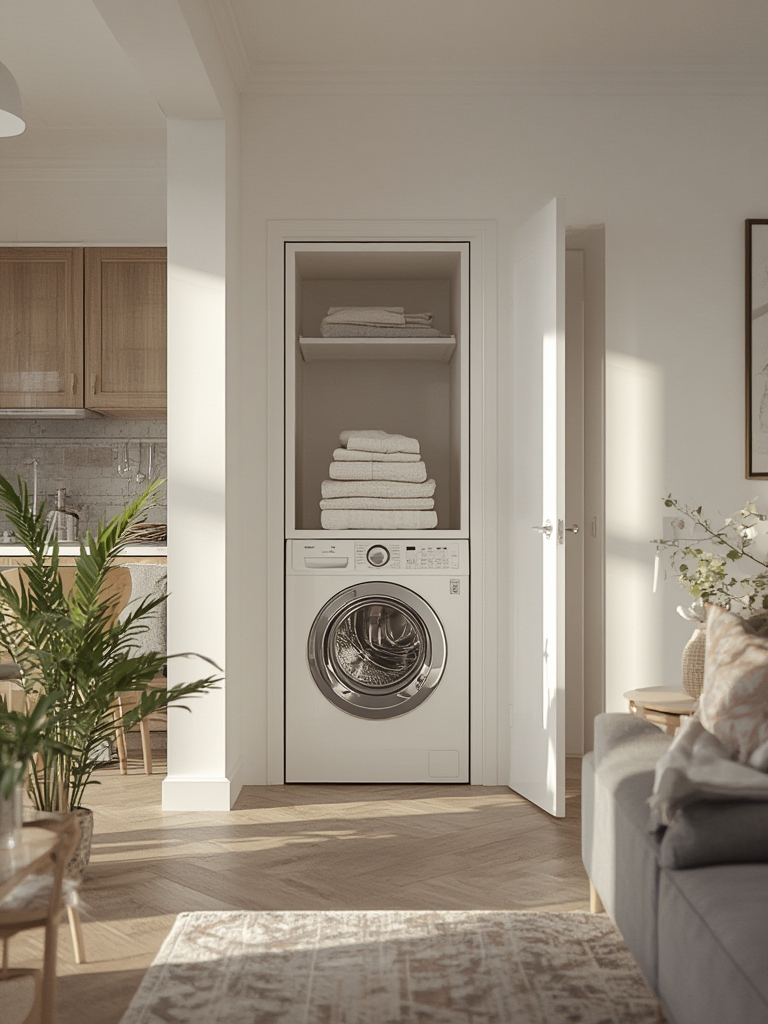
Conclusion
For renters and owners in small spaces, a ventless washer dryer offers real advantages in convenience and flexibility. Just be aware that drying times may be longer and installation is not always “plug-and-play.” Prioritize heat pump tech, medium capacity, and quiet operation where possible. Actively search for genuine apartment user reviews, and investigate the power and drainage needs before purchase. Done right, a ventless washer dryer can be a practical upgrade that saves time and fits any space.
Ready to find your ideal laundry solution? Review the spec sheet, measure your space, and check authentic buyer feedback before ordering your own ventless unit.
Frequently Asked Questions
Are ventless washer dryer combos really worth it for apartments?
They can be a lifesaver in buildings without external venting options and are often quieter and more efficient than older vented models. Just expect slower drying and a learning curve in maintenance.
How do I avoid moisture buildup when using a ventless washer dryer?
Run the machine near a window or with a fan if possible, and use a dehumidifier in especially damp spaces. Regularly empty a water reservoir and keep the surrounding area ventilated.
Will my landlord need to approve a ventless washer dryer?
Often yes, especially if additional plumbing or electrical work is needed. Always check your lease and consult your landlord before installation.
What is the best capacity for a ventless washer dryer in a small apartment?
A capacity of 6–8 kilograms is ideal for singles or couples. Larger households should expect to run multiple loads.
Do ventless washers dry as fast as vented models?
No, ventless units usually require a longer drying cycle—sometimes up to twice as long as vented dryers. This tradeoff comes with added energy savings and installation flexibility.