

Disclosure: As an Amazon Associate, we earn from qualifying purchases. This means we may receive a small commission at no extra cost to you if you click our links.
ventless heat pump dryer technology is fast becoming the top choice for energy-conscious homeowners, apartment dwellers, and anyone lacking a vent to the outside. These dryers cut electricity costs, install nearly anywhere, and promise lower carbon footprints—yet they’re not without real tradeoffs.
Understanding exactly how ventless heat pump dryers work, their true costs, and if they’ll fit your space (and patience) is the key to a smart laundry decision.
Key Takeaways
- Ventless heat pump dryers save 50% or more on electricity costs compared to traditional vented dryers—up to $175/year for most households.
- They require no venting, can fit in small spaces, but typically have longer cycle times and need regular maintenance.
- Upfront costs are higher, but new rebates and year-over-year energy savings often pay off in less than five years.
What Is a Ventless Heat Pump Dryer and Why Choose One?
Ventless heat pump dryers are a revolutionary way to dry laundry efficiently without the need for an external vent. Instead of pushing moist air outdoors, they recycle air through a heat pump and condenser system, extracting water and saving massive amounts of energy. This makes them ideal for apartments, garages, and homes where venting is costly or impossible. The true advantage is efficiency:
ventless heat pump dryers typically use half the energy of standard vented electric dryers, saving 175 to 350 kWh per year and $75 to $175 on utility bills, depending on your usage and local rates. These models range from compact 24-inch units for tight spaces to full-sized machines for family use. They’re also gentler on clothes and cut fire risks since they run at lower temperatures.
How to Choose and Install a Ventless Heat Pump Dryer (Step-by-Step)
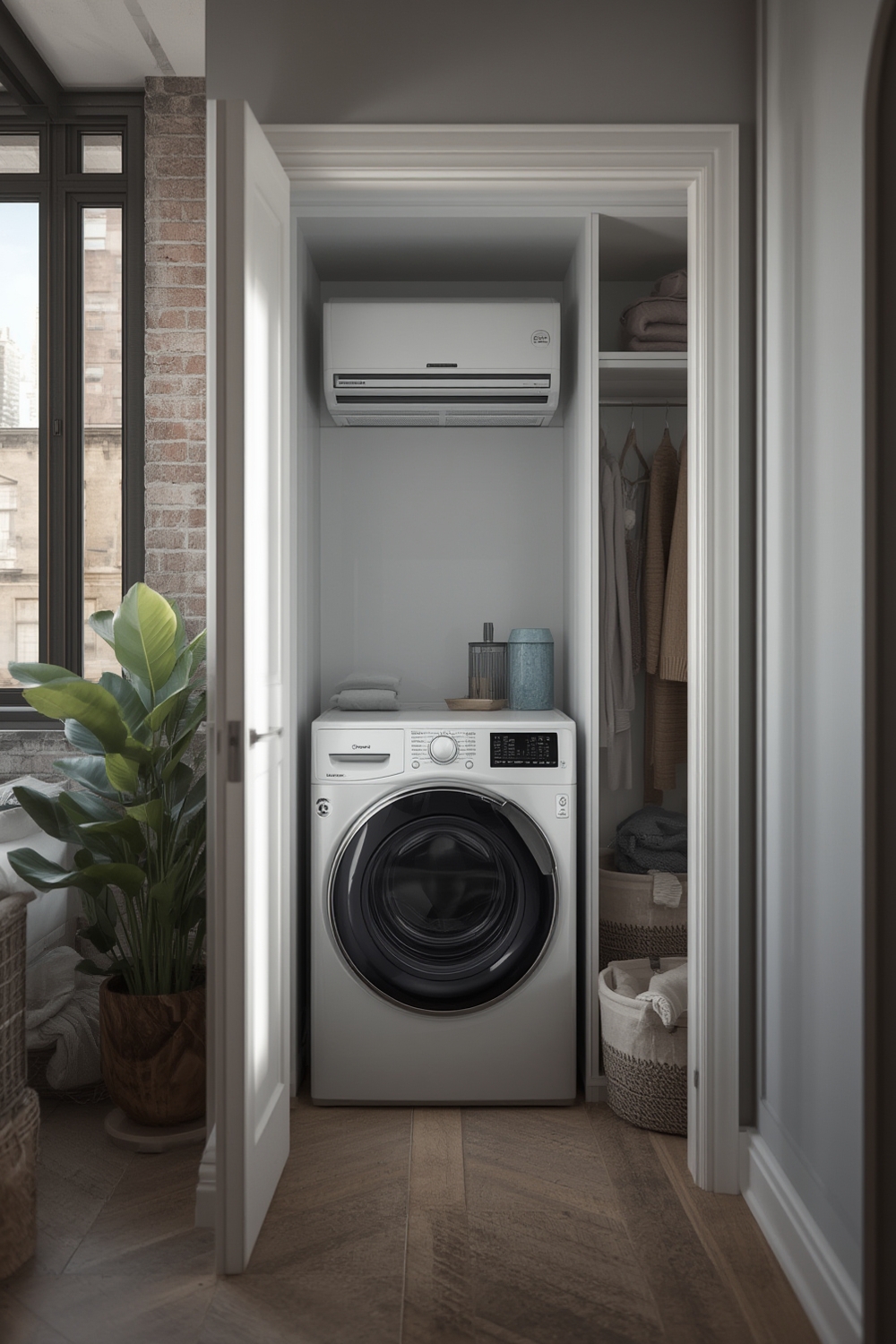
- Measure Your Space Carefully. Compact ventless heat pump dryers are as narrow as 24 inches, ideal for condos or laundry closets. Check ceiling height, door swing, and clearance for water tray removal or maintenance.
- Check Electrical Needs. Most models run on standard 110-240V outlets. Many for apartments or older homes work with 110V, avoiding the need to upgrade wiring.
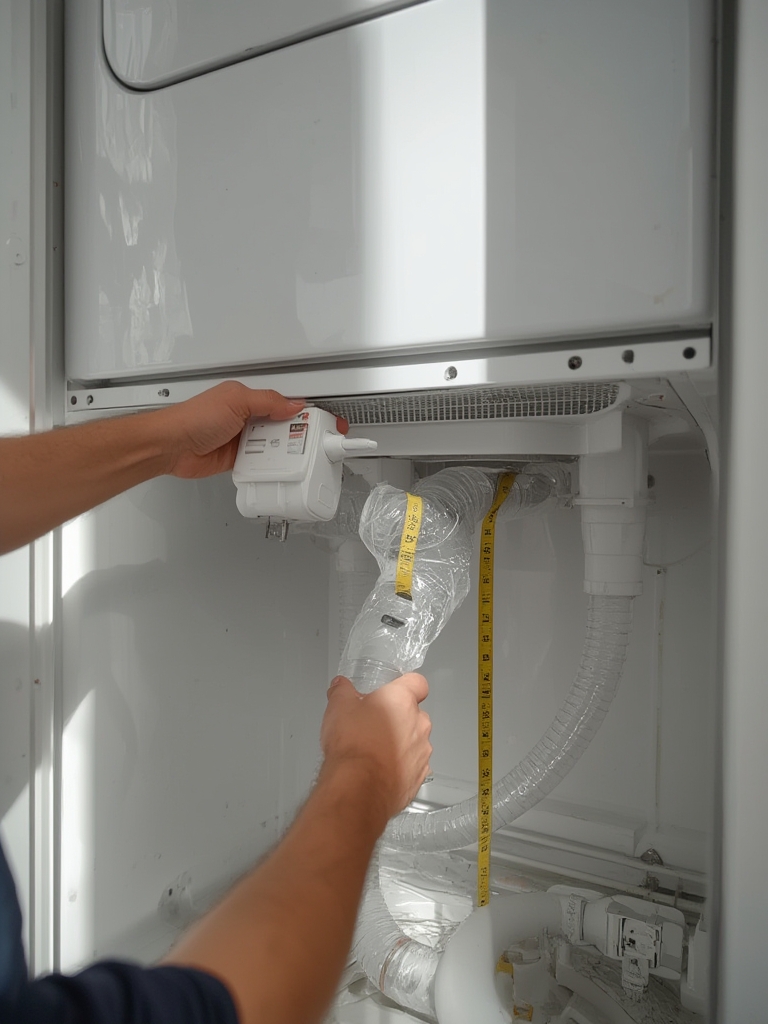
- Plan for Condensation Drainage. Decide if you’ll use a dedicated drain hose, tap into the washer’s drain, or empty a collection tray (required on some compact models like Insignia). This step is critical for hassle-free use and to avoid unwanted moisture build-up.
- Compare Best-Selling Models. Check energy ratings (ideally ENERGY STAR), cycle times, total capacity, and user reviews. The Midea MLE27N5AWWC and Insignia NS-FDRE44W1 are popular compact options, while Miele and Asko offer larger capacity with advanced features.
- Calculate Total Cost, Not Just the Purchase Price. Weigh up the higher upfront cost (often $650+ above standard vented models) against annual energy savings and possible utility rebates—up to $840 for qualifying ENERGY STAR dryers.
- Schedule Maintenance. Plan routine cleaning of lint filters and, for some models, the condenser coil. Skipping this step is the top cause of reduced performance or repairs.
- Install and Test. Set the dryer level, connect drainage, and run the first cycle empty to flush system air. Monitor moisture or heat output, especially in tight spaces.
For even more space saving and flexibility, consider upgrading your laundry setup by integrating a ventless washer dryer combo unit, which can wash and dry in a single appliance—ideal for studio apartments, ADU conversions, or basement living spaces.
If you’re adding laundry facilities to a multifunctional room or garage, organizing with vertical storage—like the Sterilite 4 Shelf Cabinet—can maximize usability and help keep maintenance supplies and detergents close at hand.
Advanced Analysis: Real Costs, Complaints, and Common Pitfalls
While ventless heat pump dryers are efficient and versatile, realistic buyers should know their limits and hidden hassles. Here’s what the research and real-world users report (and what typical high-ranking articles miss):
- Longer Dry Times: Expect typical cycles to take 20–60% longer than vented dryers. For large or heavy loads, drying can sometimes take 2+ hours, especially with all-in-one washer-dryer combos.
- Mandatory Maintenance: Lint filter needs cleaning after every load. Many models require monthly cleaning of the internal condenser (especially if you live with pets or do heavy laundry loads).
- Room Heat and Humidity: Ventless operation means some warmth and occasional humidity is released into your laundry room. This is a welcome feature in cold seasons but may be uncomfortable in summer without proper ventilation or a fan.
- Initial Cost and Payback: Purchase prices average $1,400–$2,200, compared to $750–$1,200 for basic vented models. However, with annual energy savings of $75-$175, most buyers recover the cost in 3–5 years—sometimes less with available utility rebates.
- Service Accessibility: Not all regions have technicians familiar with heat pump dryer repairs. Before you buy, check for qualified local service or consider models with extended warranties.
- Drainage System: Failure to set up proper drainage can cause water tray overflows or moisture build-up. For hassle-free operation, connect directly to a washer drain where possible.
- Sizing for Your Needs: Leading models, like the compact Midea or Insignia, fit nearly anywhere yet have modest capacities. If you have a large family or do big laundry days, research cycle time and capacity carefully.
Comparison Table: Leading Ventless Heat Pump Dryers for 2026
| Model | Width | Capacity (cu ft) | Energy Use (kWh/yr) | Typical Cycle Time | Key Features |
|---|---|---|---|---|---|
| Midea MLE27N5AWWC | 24″ | 4.4 | 236 | Not specified | 16 cycles, compact design, ENERGY STAR |
| Insignia NS-FDRE44W1 | Compact | 4.5 | 236 | Not specified | Affordably priced, tray collection |
| Miele PDR908 HP | Standard | 4.6 | 245 | ~53 min | Quiet, efficient, programmable cycles |
| Asko T411HS.W.U | Standard | 4.9 | 263 | Not specified | Brushless motor, very quiet, 16 pro cycles |
To compare appliance energy ratings, check the latest data using the ENERGY STAR product finder.
Commonly overlooked advantages: ventless dryers align with energy efficiency and LEED building standards, are far less likely to cause fabric damage due to low-heat cycles, and avoid risks of vent fires completely (see this analysis).
For homeowners doing a full laundry room build or ADU garage conversion, installing these dryers is simple since there’s no ductwork—just an outlet and drainage. You may already have everything you need after a basement or garage conversion to living space.
Costs and Incentives
- Upfront: $1,399–$2,199 avg for heat pump dryers; $749–$1,199 avg for vented dryers
- Annual Energy Cost: ~$175/year (ventless heat pump) vs. ~$350 (vented)
- Available Incentives: Utility rebates of up to $840 for ENERGY STAR heat pump models (source)
- Lifetime Savings: Most buyers reach break-even in under 5 years if running one load per day or more
If noise is a concern, especially in small apartments or near bedrooms, look for newer models with brushless motors (like Asko) for a quieter laundry experience. If you’re soundproofing a multipurpose home office or sleeping space, soundproof wall panels can help reduce any residual appliance noise.

Conclusion
Ventless heat pump dryers offer enormous energy savings, unmatched flexibility for installation locations, and are a smart fit for modern apartments, garage conversions, and eco-friendly homes. Be prepared for longer cycle times and regular filter cleaning—but rest assured, the payoff in efficiency, government incentives, and utility bill reduction is significant. If you want a space-saving laundry room or to maximize energy efficiency at home, now is the right time to consider a ventless heat pump dryer.
Ready to upgrade your laundry or design a compact, energy-smart home? Explore leading ventless and combo units, see if you qualify for rebates, and get expert organizing and installation tips by visiting our ventless dryer buyer’s guide or learning more about heat pump water heater savings for whole-home efficiency.
FAQ
Do ventless heat pump dryers actually save money?
Yes. Most ventless heat pump dryers cut energy usage by around 50%—up to $175 yearly compared to traditional vented electric dryers. Savings depend on your usage, local electric rates, and dryer model. In most cases, energy bill reductions alone pay off the higher purchase price within 3–5 years.
Can I install a ventless heat pump dryer anywhere?
Almost. As long as you have a standard 110-240V outlet and a way to drain condensation (either a floor drain, a washer drain, or a water collection tray you empty by hand), these dryers install in laundry closets, apartments, garages, even converted ADU spaces. No exterior venting is required.
What’s the biggest downside of ventless heat pump dryers?
Longer dry cycles are the most common complaint—expect clothes to take 20–60% longer compared to vented models. Regular maintenance (filter and occasionally condenser cleaning) is necessary to keep performance high. There may also be some added warmth or humidity in the room, especially if installed in very small spaces.
Are there government incentives or rebates for buying one?
Yes, many regions offer utility rebates and incentives—up to $840 for qualifying ENERGY STAR models. These can offset the initial cost substantially. Always check your local and state energy incentive programs.
What’s the best ventless heat pump dryer for small spaces?
Popular 2026 compact options include the Midea MLE27N5AWWC and the Insignia NS-FDRE44W1—both under 25 inches wide and suitable for condos, ADUs, or apartments. Larger capacity and ultra-quiet models like the Miele PDR908 HP or Asko T411HS.W.U work well if you have more space or laundry volume.