

Disclosure: As an Amazon Associate, we earn from qualifying purchases. This means we may receive a small commission at no extra cost to you if you click our links.
A heat pump water heater system is rapidly becoming the industry standard for homeowners demanding high efficiency and permanently reduced energy bills. However, securing the correct unit requires understanding several technical constraints that average buyers routinely overlook. This guide breaks down the exact prerequisites, costs, and performance realities required to accurately evaluate this technology.
Key Takeaways
- Heat pump water heater installation costs typically range from $2,500 to $5,000. Major hidden expenses and regional price variations frequently impact the final bill.
- Long-term energy savings are substantial, though the actual return on investment depends critically on your local climate, mechanical room setup, and utility rates.
- Strict requirements regarding ventilation space, electrical supply capacity, and routine maintenance dictate post-installation satisfaction.
What Is a Heat Pump Water Heater and Why Consider One?
A top-tier 50-gallon heat pump water heater (HPWH) is a highly efficient modern alternative to standard electric or gas-fired tanks. Rather than generating heat directly via resistance or combustion, this system extracts ambient warmth from the surrounding air and mechanically transfers it into the water tank via a compressor cycle. This advanced technology allows HPWH units to supply identical hot water volumes while reducing electricity consumption by up to 60% compared to traditional models.
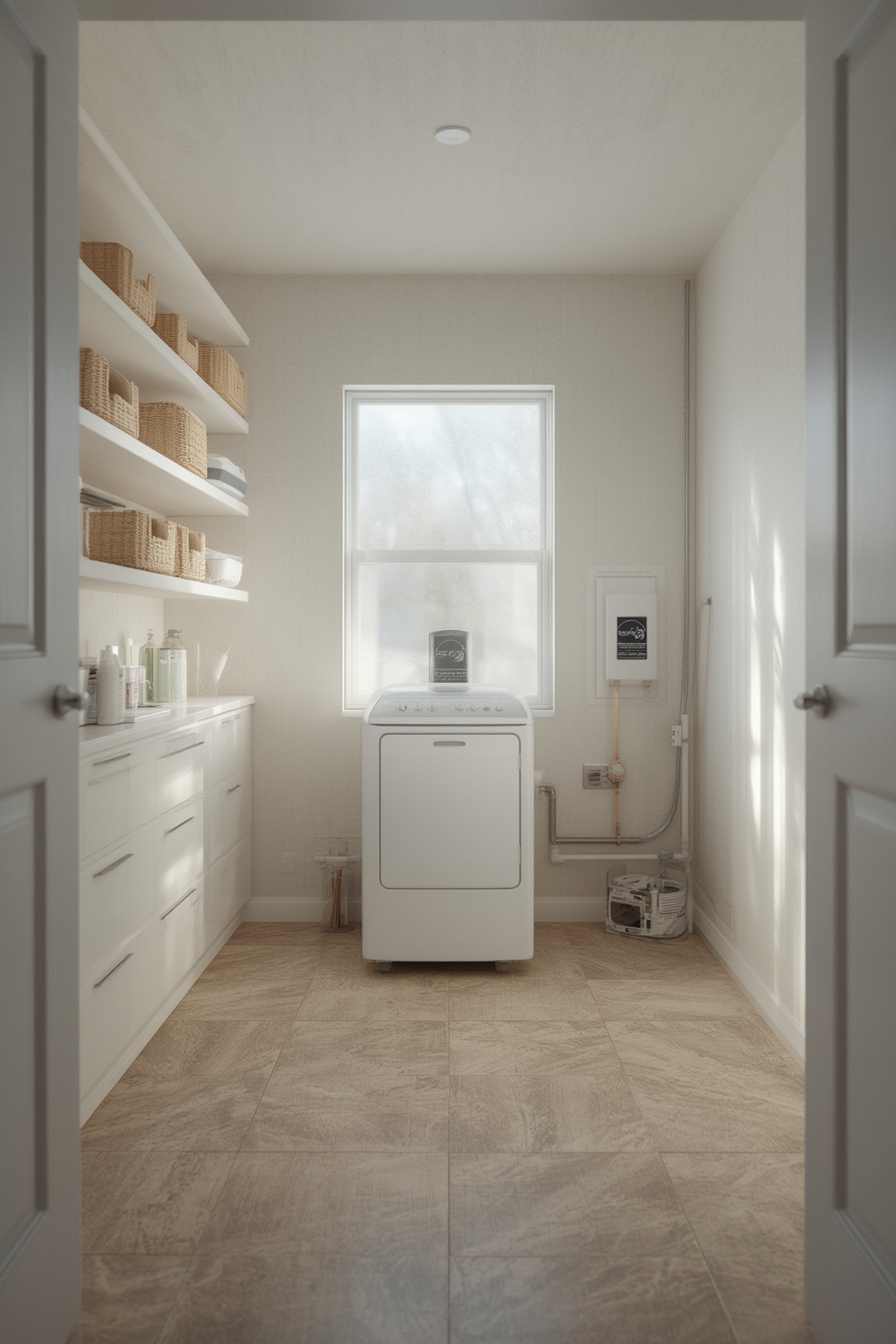
Beyond producing an immediate reduction in monthly utility costs, implementing a heat pump water heater directly shrinks your property’s carbon footprint, satisfying long-term sustainability objectives. Nevertheless, while the long-term financial calculations justify the investment, the upfront capital costs and technical installation prerequisites are far more demanding than standard marketing materials imply. Homeowners must conduct a thorough structural and electrical assessment before removing existing equipment.
Comprehensive Property Upgrade Strategy
To truly maximize utility efficiency, approach your mechanical space as part of a comprehensive property upgrade strategy. If you are executing ADU garage conversions, optimizing the designated utility corner is critical. Installing durable, water-resistant SPC flooring beneath the water heater and major appliances prevents long-term moisture damage to the subfloor. To further streamline the footprint, you can pair your heat pump system alongside a compact ventless washer dryer. Organizing associated plumbing accessories and laundry supplies inside heavy-duty storage cabinets ensures the mechanical area remains professional, clean, and highly functional.
How to Choose, Install, and Maintain a Heat Pump Water Heater
Acquiring the optimal heat pump water heater involves far more than simply selecting a recognized brand off a retail floor. Professional execution requires adherence to the following structured parameters:
- Evaluate Your Climate and Location:
- HPWH units operate optimally in moderate climates and spaces that consistently remain above freezing. If you reside in a cold climate or plan an exterior mechanical room installation, secure the manufacturer’s performance rating corresponding to your regional winter low temperatures, or specify a split-system architecture.
- Measure Air Volume and Required Clearance:
- The heat pump compressor cycle requires 450–700 cubic feet of surrounding ambient air to function efficiently (source). If your mechanical closet is undersized, you must physically duct the exhaust air or select standard resistance technology.
- Check Electrical Infrastructure:
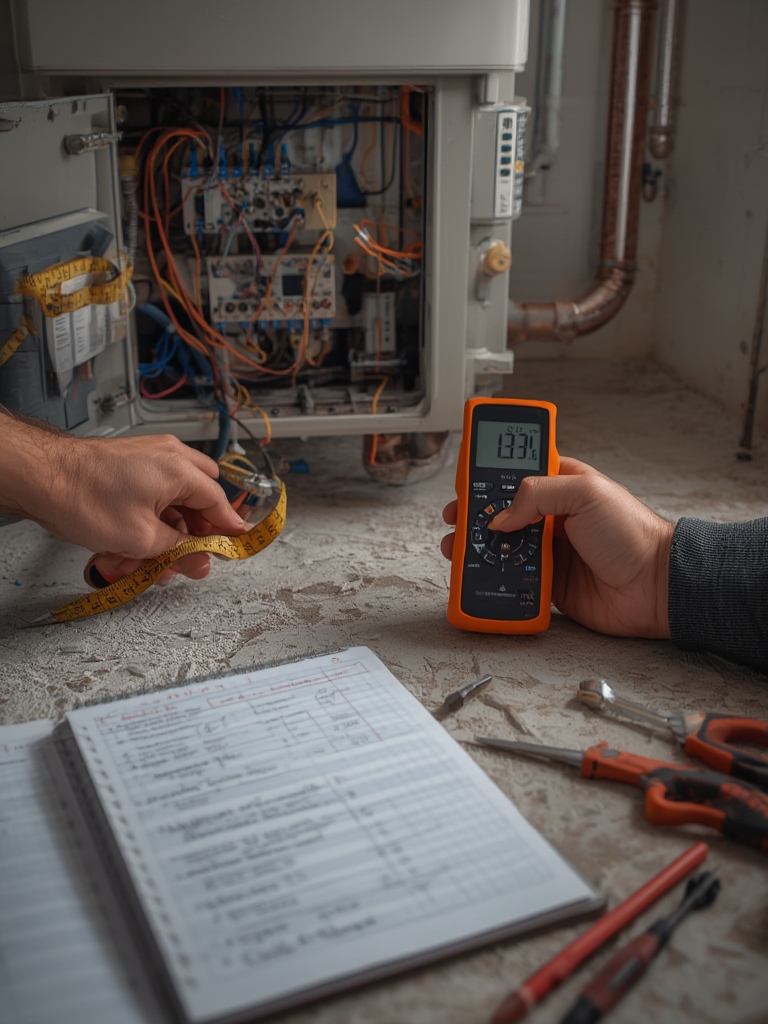
- The vast majority of HPWH units necessitate a complete 240V dedicated circuit wiring installation kit. If your main electrical panel lacks capacity or uses outdated breaker technology, anticipate a mandatory $2,000 panel upgrade (source).
- Understand Total Installation Costs:
- National averages for professional hardware installation span $2,500–$5,000. Required plumbing reroutes and electrical updates frequently double the advertised baseline retail price.
- Verify Rebates and Tax Credits:
- While broad federal water heater credits largely expired by 2026, highly lucrative state, municipal, and utility rebates may still drastically discount the hardware (source). Always verify programmatic funding prior to signing a work order.
- Mandate Professional Installation:
- Attempting a DIY installation for complex HPWH systems is an extreme liability. Contract exclusively with a licensed plumbing professional who guarantees adherence to municipal building codes and manufacturer warranty stipulations.
- Implement a Strict Maintenance Schedule:
- Maintaining maximum energy efficiency requires biannual filter cleaning, condensate drain flushing, and installing a premium magnesium anode rod replacement kit every few years to halt internal tank corrosion.
- Document the Installation:
- File the specific model identification, serial numbers, financial receipts, and contractor licensing information. Comprehensive records streamline future property sales and warranty claims.
Real-Life Issues, Pitfalls, and Standard Operational Challenges
No mechanical system is flawless. Heat pump water heaters introduce a highly specific set of operational parameters and deal-breakers. Below is a detailed technical assessment of standard hardware tiers, costs, and critical prerequisites:
| Heat Pump Type | Tank Size (Gallons) | Typical Cost | Main Requirements | Potential Pitfalls |
|---|---|---|---|---|
| Conventional (Integrated) | 50–80 | $1,100–$3,000 | Moderate climate, 450+ cu ft space | Not effective in small or cold rooms; may overcool space |
| Split System | 60–100 | $2,100–$4,600 | Exterior compressor; large installation | Higher install complexity and labor costs |
| Solar-Supported | 70–100 | $2,900–$7,000 | Supplementary solar connection | Seasonal performance limitation; steep upfront costs |
| Water-Sourced/Geothermal | 80–100 | $5,000–$15,000+ | Requires access to well or loop field | Intense installation process, highly specialized servicing |
Extra installation costs: Expect municipal permit fees and code upgrades, notably in older residences. Mandated plumbing reroutes, the execution of a reliable heavy-duty condensate pump kit, or electrical panel upgrades generate $500–$2,000 in immediate add-on charges. Licensed pros also stipulate minor drywall or surface rehabilitation post-install. Labor effectively accounts for nearly half of the final invoice.
Efficiency pitfalls: When ambient temperatures continuously default below 40°F in the operating space, thermodynamic efficiency drops sharply. The system may disable the precision heat pump cycle and activate expensive resistance backup elements, entirely defeating the purpose of the upgrade. Always confirm operational thresholds via manufacturer specifications.
Rebates & incentives: Assuming automatic qualification for advertised rebates is a critical error. The majority of federal tax programs concluded following 2025, leaving local utility rebates highly variable. Secure documented confirmation of your incentive standing prior to budgeting (see ENERGY STAR summary).
Consumer experience gaps: Comprehensive long-term reliability reports for the 2024-2026 manufacturing cycle are scarce. While major industry players like Rheem consistently hold market share (source), concrete decade-long performance records and warranty resolution metrics are not publicly circulated.

Conclusion
Heat pump water heater systems yield unquestionable energy savings and definitive environmental benefits across moderate climates, provided property owners rigorously evaluate installation constraints, spatial measurements, and electrical requirements prior to purchase. Skipping these fundamental checks transforms a highly strategic home upgrade into a severe liability. If you are prepared to modernize your mechanical systems, consult exclusively with local licensed professionals, verify available monetary incentives, and enforce regular maintenance protocols to safeguard your long-term return.
My Honest Verdict
I’ve honestly been blown away by the noticeable energy savings since switching to a heat pump water heater; watching my monthly electricity bill drop significantly while still enjoying completely reliable hot showers is a huge, practical win for our household budget.
However, it’s worth noting that the compressor makes these units run a bit louder than a standard electric water heater—almost like the persistent hum of a small refrigerator—so you should definitely reconsider installing it in a closet right next to a quiet bedroom or home office.
Frequently Asked Questions
Do heat pump water heaters operate effectively in extremely cold climates?
Efficiency degrades rapidly in ambient environments below 40°F. In cold-weather regions, exclusively specify hardware rated for low temperatures, utilize hybrid models relying on electric resistance backups during winter, or transition to complete split-system or geothermal architectures installed within semi-conditioned structural spaces.
How much volumetric space is required around a heat pump unit?
Standard compressors mandate a minimum of 450 to 700 cubic feet of ambient air volume to function correctly. If your structural utility room is deeply enclosed, discuss the necessity of louvered doors or exhaust venting with your licensed contractor.
Are significant financial rebates available for heat pump water heaters in 2026?
Broad federal tax credits expired for hardware commissioned after 2025. Nevertheless, specific state energy agencies and local utility boards continue to offer substantial rebates. Consistently audit the ENERGY STAR database and local municipality websites for current funding verification.
How frequently does a heat pump water heater demand professional maintenance?
To preserve operational efficiency, property owners must execute an annual filter cleaning sequence alongside biannual inspections of the condensate drain and the sacrificial premium magnesium anode rod replacement kit. The maintenance protocol is slightly heavier than resistance heaters but well within standard residential management routines.
Is a DIY installation viably safe for a heat pump water heater?
Executing a DIY installation is highly inadvisable due to rigorous residential plumbing codes, strict 240V electrical parameters, and specialized mechanical venting requirements. Commercial installation by licensed contractors guarantees safety, operational code compliance, and preserves factory warranty coverage.