

Disclosure: As an Amazon Associate, we earn from qualifying purchases. This means we may receive a small commission at no extra cost to you if you click our links.
SPC flooring has surged as a leading solution for modern homes, rentals, and commercial spaces—offering resistance to water, wear, and everyday mishaps. Yet buyers face tough decisions as the market expands, new trends emerge, and installer mistakes threaten costly outcomes. Here’s what you must know before you rip out old floors or order that big box of planks.
Key Takeaways
- SPC flooring is growing globally due to its durability, water resistance, and versatile application, though real installation and performance issues are underreported.
- Step-by-step prep and awareness of hidden issues like subfloor problems and expansion gaps are critical for successful SPC flooring installation.
- There’s a wide range in costs, brands, and long-term performance—make sure to demand clear specifications and warranties from your supplier.
What Is SPC Flooring and Why Choose It?
SPC flooring—Stone Plastic Composite flooring—is engineered from limestone powder, PVC, and stabilizers. This rigid core flooring, first popular in Asia and now mainstream globally, combines realistic wood or stone looks with exceptional toughness. Its popularity in 2024 and beyond is driven by:
- Waterproof performance: Withstands spills and dampness, making it a favorite in kitchens and bathrooms.
- Scratch and impact resistance: Ideal for high-traffic zones, commercial installs, and active households.
- Easy maintenance and installation: Click-lock edges allow many to lay it DIY with simple tools.
- Dimensional stability: Suitable over many subfloor types, often without major leveling work.
- Cost-effective upgrades: Often beating traditional tile or hardwood on price and practicality.
Extensive industry analysis confirms these trends: estimates put the 2024 global SPC click flooring market at anywhere from $2.89 billion up to $6.87 billion and rising, with North America at the forefront and the Asia-Pacific region already holding one third of market share. Growth is strong—up to 15% CAGR in some regions (source, source).
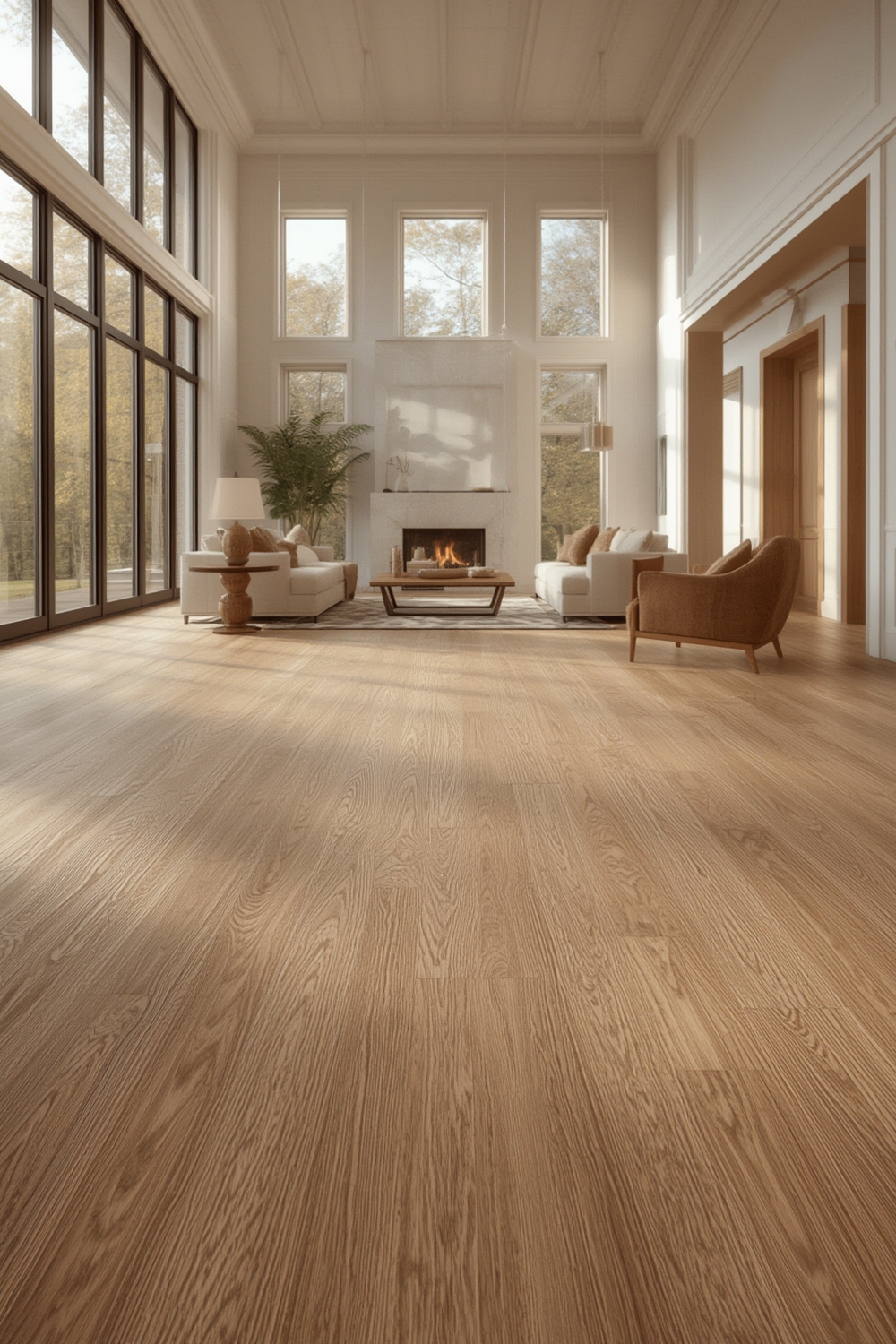
If you’re considering a garage conversion or updating your laundry space, SPC flooring pairs well with efficient storage like the Sterilite 4 Shelf Cabinet—delivering rugged performance alongside modern design.
Step-by-Step Guide: Installing SPC Flooring Properly
Proper installation is essential to get the long-term durability SPC flooring promises. Here’s how to do it right, whether you’re a seasoned DIYer or just getting started:
- Preparation
- Thoroughly clean, sweep, and dry the subfloor. Remove any protrusions or debris.
- Check for level within 3/16” over a 10-foot span. Use self-leveling compound for dips.
- If your SPC requires underlayment, roll it out smoothly. Rooms over concrete or for added comfort benefit from extra underlayment.
- Planning the Layout
- Lay out planks without clicking them in; stagger seams for strength and a natural look.
- Measure doorways and transitions to avoid awkward slivers on the long wall.
- Installing the First Row
- Start along the longest, straightest wall, using spacers to allow 1/4” expansion gap on all sides.
- Click each plank into place, ensuring a tight fit at the short ends.
- Continue Row by Row
- Angle the new plank’s long edge into the previous row, then press flat. Use a tapping block to tighten up seams.
- Keep staggering joints by at least 8”.
- Trim the final plank in each row as needed (score and snap method often works well).
- Finish Up
- Install transition strips in doorways and finish trim along walls.
- Remove spacers and sweep the new floor clean.
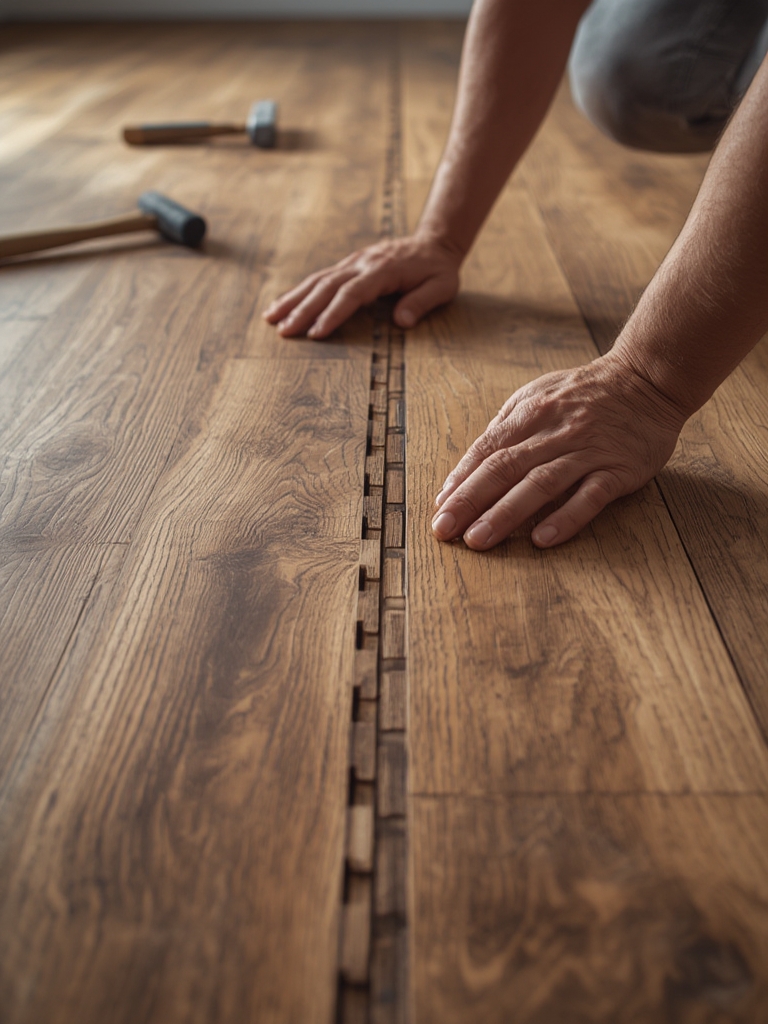
For complex layouts, like those needed in ADU garage conversions, planning cuts ahead ensures a professional fit and no surprises as you move from room to room. Consider how waterproof SPC flooring complements innovative space-saving appliances, such as ventless washer dryers, for truly modern living.
Advanced Analysis & Common Pitfalls
SPC flooring is marketed as foolproof, but several pitfalls can trip up even professionals. Knowing the traps helps you avoid wasted money and frustration.
- Uneven subfloors: Even minor dips or bumps can result in click-lock issues or visible “telegraphing” of defects through the planks over time.
- Improper gap spacing: Failing to leave expansion gaps around the perimeter leads to warping, buckling, and separation, especially in larger rooms or under direct sunlight.
- Poor acclimation: Rapid temperature or humidity swings can cause post-installation gapping or expansion if planks aren’t allowed to adapt to the new space.
- DIY challenges: Cutting around fixtures and aligning seams can be harder than YouTube videos suggest, so novice errors still abound.
- Cost uncertainties: Many buyers underestimate not only the planks but also extra costs (underlayment, trims, waste factor, or unexpected subfloor repairs).
Here’s an at-a-glance look at how SPC flooring compares with other flooring types:
| Feature | SPC Flooring | Luxury Vinyl Plank (LVP) | Carpet |
|---|---|---|---|
| Water Resistance | 100% waterproof | Water-resistant (not fully waterproof) | Prone to staining, water damage |
| Scratch & Impact Resistance | Very high (80%+ commercial use) | Moderate | Poor |
| Comfort Underfoot | Firm, can be cold unless padded | Slightly softer | Soft (but traps allergens) |
| Installation | DIY-friendly | DIY-friendly | Requires professional stretch |
| Maintenance | Easy sweep/mop | Easy sweep/mop | Frequent vacuum, deep cleans |
| Lifespan | 10–20 years | 8–15 years | 5–8 years (high traffic) |
Market reports confirm adoption is strongest where high durability is a must—over 80% of commercial installations now use SPC solutions (source).
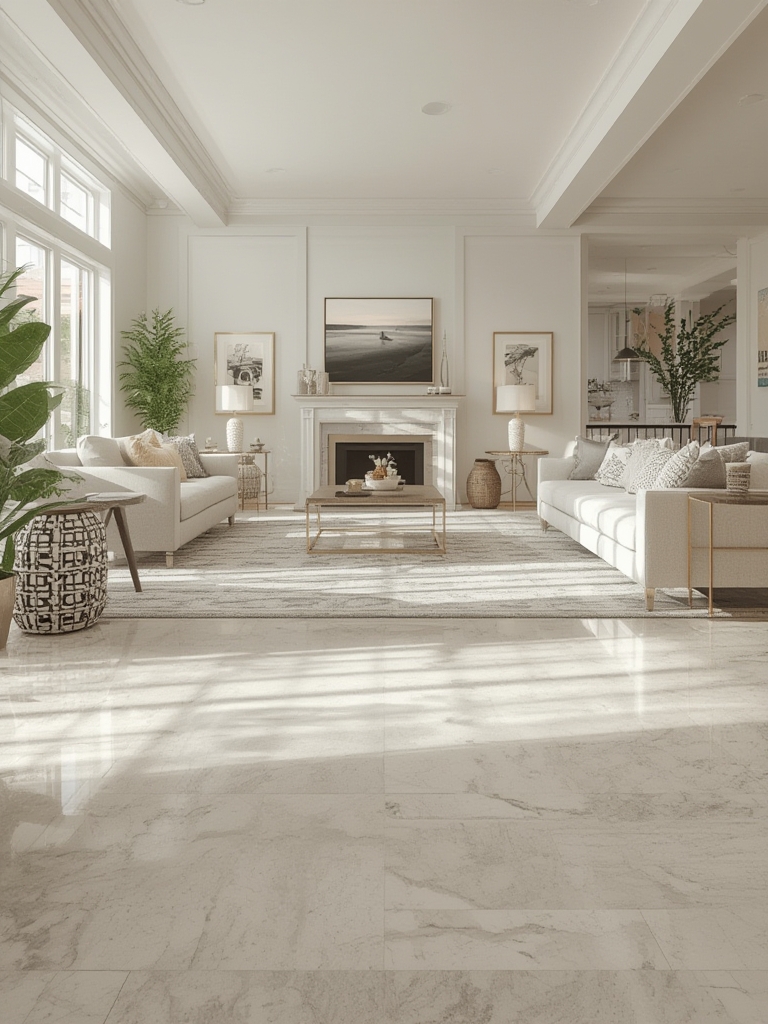
But beware: the “one size fits all” approach does not apply. There’s major variability in the quality, core materials, locking systems, and wear layer thickness from brand to brand—and in-depth cost breakdowns are often missing. Always ask for specifics, as industry reports show the gap between the best SPC flooring brands and entry-level options will widen further post-2026 (source).
Conclusion
SPC flooring is an impressive option for heavy-use spaces, renovations, and even conversions. Its strengths make it the floor of choice for many in 2024, but a careful installation and realistic cost breakdown are critical to avoid project regrets. Whether you’re refreshing your living room or planning a full ADU garage conversion, compare specs, choose brands with solid warranties, and don’t skip prep work.
Ready to transform your space? Find SPC flooring that fits your budget and style—and connect with trusted pros or dive into a DIY install backed by real research. For more space-maximizing tips, check out our reviews on the Sterilite 4 Shelf Cabinet and the latest ventless washer dryer solutions.
Discover the benefits and potential pitfalls of SPC flooring today to make your next renovation project a solid investment.
My Honest Verdict
I was genuinely impressed by how rigid and truly waterproof SPC flooring is, making it a perfectly durable choice for high-traffic areas like the kitchen or entryway where spills and heavy footfalls happen constantly.
On the flip side, the extreme rigidity of the planks means that your subfloor needs to be absolutely perfectly level before installation; otherwise, you’ll feel annoying hollow spots and hear a noticeable clicking sound when walking over uneven areas.
FAQ
Is SPC flooring really 100% waterproof?
Yes, SPC flooring is considered fully waterproof due to its rigid stone-plastic composite core. Unlike laminate or standard vinyl, standing water will not cause it to swell, making it a great choice for kitchens, bathrooms, and basements.
Will SPC flooring work for DIY installation, or should I hire a professional?
Many homeowners successfully install SPC flooring themselves using click-lock systems, especially in simple, open areas. However, complex layouts, poorly prepared subfloors, or homes with lots of transitions may benefit from professional installation.
What’s the average cost per square foot for SPC flooring including underlayment?
While exact 2024 breakdowns are not widely public, expect basic SPC material costs from $2–$5 per square foot. Underlayment (if not attached) adds ~$0.30–$0.75/sq ft, and professional installation runs $1.50–$3/sq ft more. Always budget for extra trim, waste, or subfloor fixes.
Is SPC flooring safe for homes with pets and kids?
SPC flooring stands up well to scratches, spills, and heavy activity compared to carpet or standard LVP. For added comfort and noise reduction, look for planks at least 5.5mm thick and consider using an appropriate underlayment.
How does SPC compare to luxury vinyl plank (LVP)?
SPC is generally more durable thanks to its rigid core, is fully waterproof, and resists impacts better than LVP. LVP may feel a bit softer underfoot. Neither has significant data on environmental impact or long-term comparative studies as of 2024.