

Disclosure: As an Amazon Associate, we earn from qualifying purchases. This means we may receive a small commission at no extra cost to you if you click our links.
Washable area rug choices are changing the way families, pet owners, and allergy sufferers protect and style their homes. In today’s market, machine-washable rugs combine convenience, durability, and modern design, but buyers need to know the real experience—problems, maintenance, and which features matter most before committing to an 8×10 rug for a high-traffic space.
Key Takeaways
- Washable area rugs in the 8×10 size are in high demand for families, pet owners, and allergy sufferers, especially on e-commerce platforms.
- Common user complaints include color fading, slipping, and maintenance issues—despite marketing claims, no rug is perfect.
- Top brands like Ruggable, Tumble, and Revival offer pet and kid-proof designs, but buyers should carefully assess warranties, material thickness, and non-slip backing quality.
What Makes a Washable Area Rug Essential?
Large washable area rugs have become a must-have for busy homes. The 8×10 washable area rug leads sales for living rooms and bedrooms since it can cover most major spill zones or high-traffic spots under sofas, play areas, and dining tables. Machine-washable options appeal most to families with children, pet owners facing daily messes, and anyone seeking easy allergy control. Unlike traditional rugs, washable designs can go into your washing machine, making deep cleaning simple—even after the worst accidents.
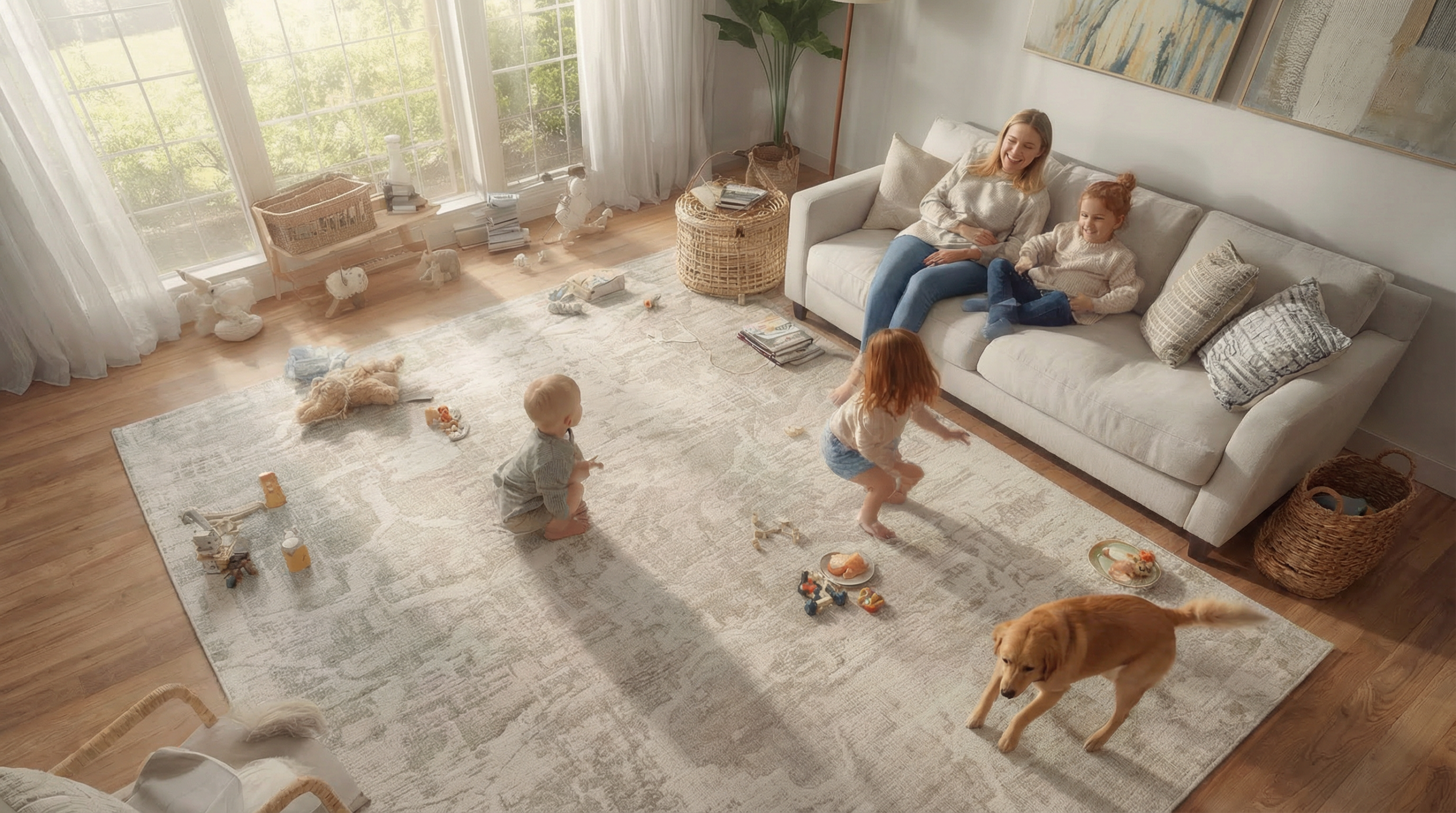
Recent 2024 market data shows a sharp increase in demand: the area rugs market topped $14.2 billion and is projected to hit $18.1 billion by 2033, with washable rugs driving a 27% surge in family and pet households. On Amazon alone, 8,000 to 12,000 machine-washable rugs sell each week, especially in the popular 8×10 size and pet-friendly designs (source). Popularity is shaped by practical needs: easy stain removal, minimizing odor, preventing slips, and updating décor with modern or vintage-inspired looks.
Washable area rugs also support healthy homes—removing allergens, dust, and pet dander with every wash. Still, there are trade-offs, as material thickness, true color accuracy, and how well non-slip backings work can vary greatly by brand and price point.
How to Select and Maintain a Washable Area Rug (Step-by-Step)
Choosing the right washable area rug maximizes both durability and style for your high-traffic living spaces. Follow these steps to get the best outcome—and avoid the common mistakes that most shoppers regret.
Step 1: Measure Your Space
Choose an 8×10 washable area rug for spaces like open-plan living rooms or under dining tables. Avoid oversized rugs in compact spaces to reduce tripping hazards and wrinkling, especially if paired with heavy furniture like sectionals.
Step 2: Assess Fiber and Backing Materials
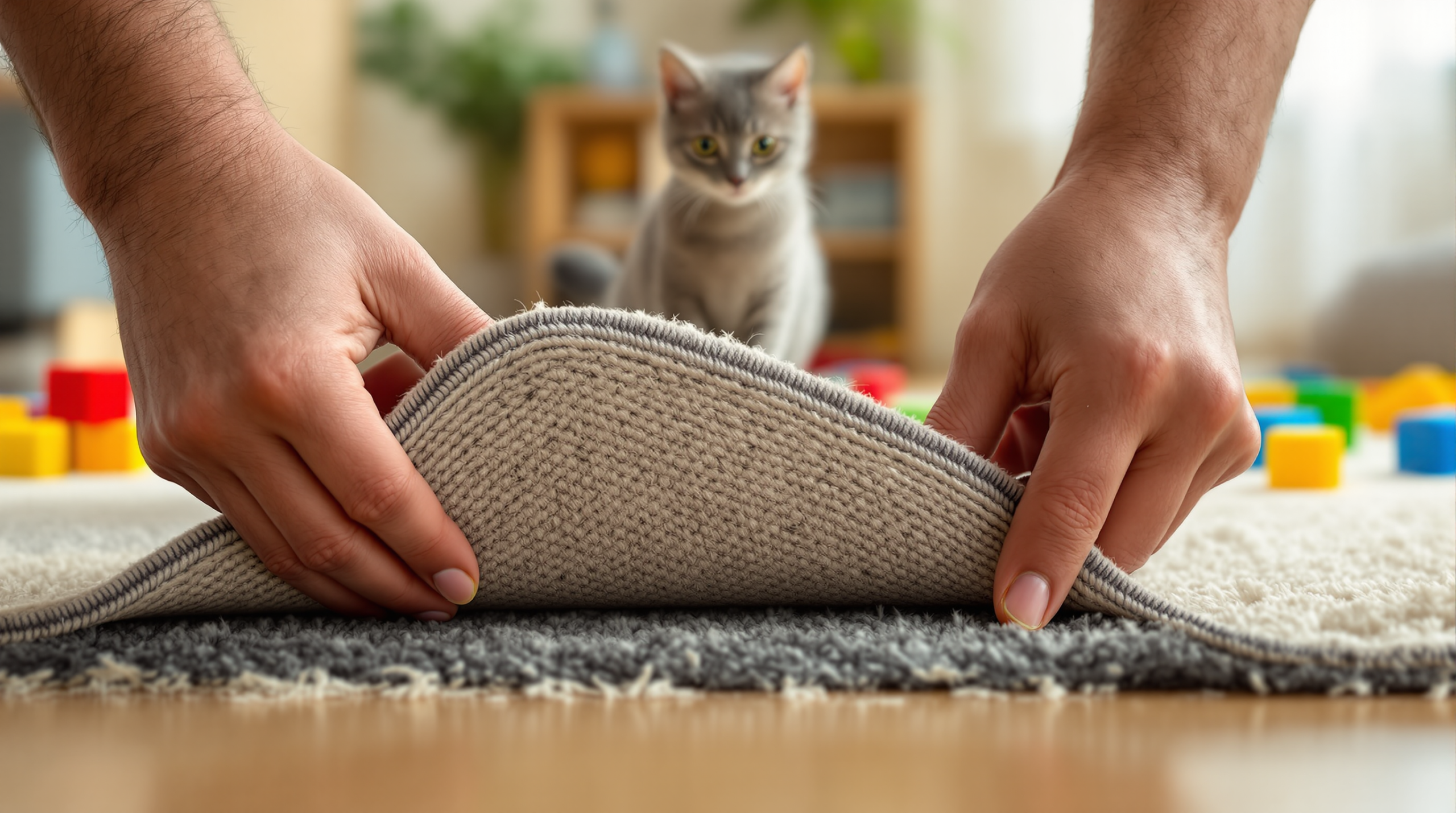
Look for synthetic blends (like polyester or nylon) that can handle frequent washing. For hypoallergenic needs, check for OEKO-TEX certifications, or seek recyclable fibers if sustainability is a concern. Prioritize rugs with robust non-slip backing unless layering over carpet or using a rug pad.
Step 3: Compare Patterns and Colors Carefully
Modern geometric and vintage boho designs dominate the washable rug market. Note that color accuracy can vary between online photos and the actual product—a top reason for returns. When possible, request a small sample or buy from stores with easy return policies.
Step 4: Read Real-World Customer Reviews
Look for feedback on cleaning ease, softness, and how the rug holds up after washing. Reported issues include color fading (especially for lighter shades), thinness, shedding, and odor trapping—see more in the Advanced Analysis section below. Prioritize brands like Ruggable, Tumble, Revival, or Wayfair’s Magnolia Home for consistent quality (source).
Step 5: Wash and Maintain
Always shake out debris before washing. Use cold or warm cycles, mild detergent, and avoid harsh bleaches. Line dry if possible to extend life and prevent heat-damage to the backing or print.
Step 6: Address Allergy and Pet Issues
Regular washing keeps allergens like pet dander at bay. Consider pairing a washable rug with whole home air purification for better indoor air quality. For deep pet odors, add a cup of white vinegar to the rinse cycle.
Step 7: Evaluate Warranty, Returns & Safety
Check policies for free shipping and no-fuss returns, which are industry norms for top brands. While there are no strict government safety standards on non-slip or chemical usage for washable rugs, favor products labeled non-toxic and check for customer complaints around backing performance or off-gassing for peace of mind (source).
Want even more ways to maximize your home’s value? Explore ADU garage conversions or organize your entryway with the Sterilite 4 Shelf Cabinet for a truly seamless family living space.
Advanced Analysis & Common Pitfalls for Washable Rugs
Despite their hype, washable area rugs present unique challenges—especially in high-traffic or pet-heavy homes. Here are the most common pitfalls, realistic problems, and a side-by-side comparison of washable vs traditional area rugs:
| Feature | Washable Area Rugs | Traditional Area Rugs |
|---|---|---|
| Cleaning Ease | Machine-washable up to full 8×10 sizes (check model), quick spot cleaning | Vacuum only, expensive professional cleaning |
| Stain/Odor Resistance | Better for pet/kid messes, but can retain odors without fast washing | Absorbs stains and odors, tougher to refresh |
| Material Thickness | Usually thinner (<1/4 inch), may feel less plush underfoot | Thicker and more padded |
| Durability Over Time | Strong for frequent cleaning, but prone to edge fraying or fading after repeated cycles | Last longer if low traffic, fade less (but absorb more allergens) |
| Non-slip Backing | Included on most, but quality and grip vary; may still slide on some floors | Often requires a separate rug pad |
| Allergy Management | Excellent if washed regularly, but dust/mold can linger with improper drying | Poor if not washed frequently; traps dander and dust |
| Average Price (8×10) | $40-$120; higher for DTC/premium brands | $100-$800, depending on material and brand |
Additional pitfalls to watch for:
- Color Fading or Discrepancy: Over 9% of users report that true rug color doesn’t match online images, especially after several washes (source).
- Shedding and Thinness: Thinner rugs (reported by 16%+ of buyers) sometimes bunch or curl at the corners, leading to trips and aesthetic frustration.
- Non-Slip Backing Fails: In high-activity homes, even “non-slip” backings may not fully prevent shifting on hardwood or tile—layering a separate rug pad helps.
- Odor Trapping: Washable rugs left wet in the machine or not dried thoroughly develop musty smells, especially in humid climates or busy pet households.
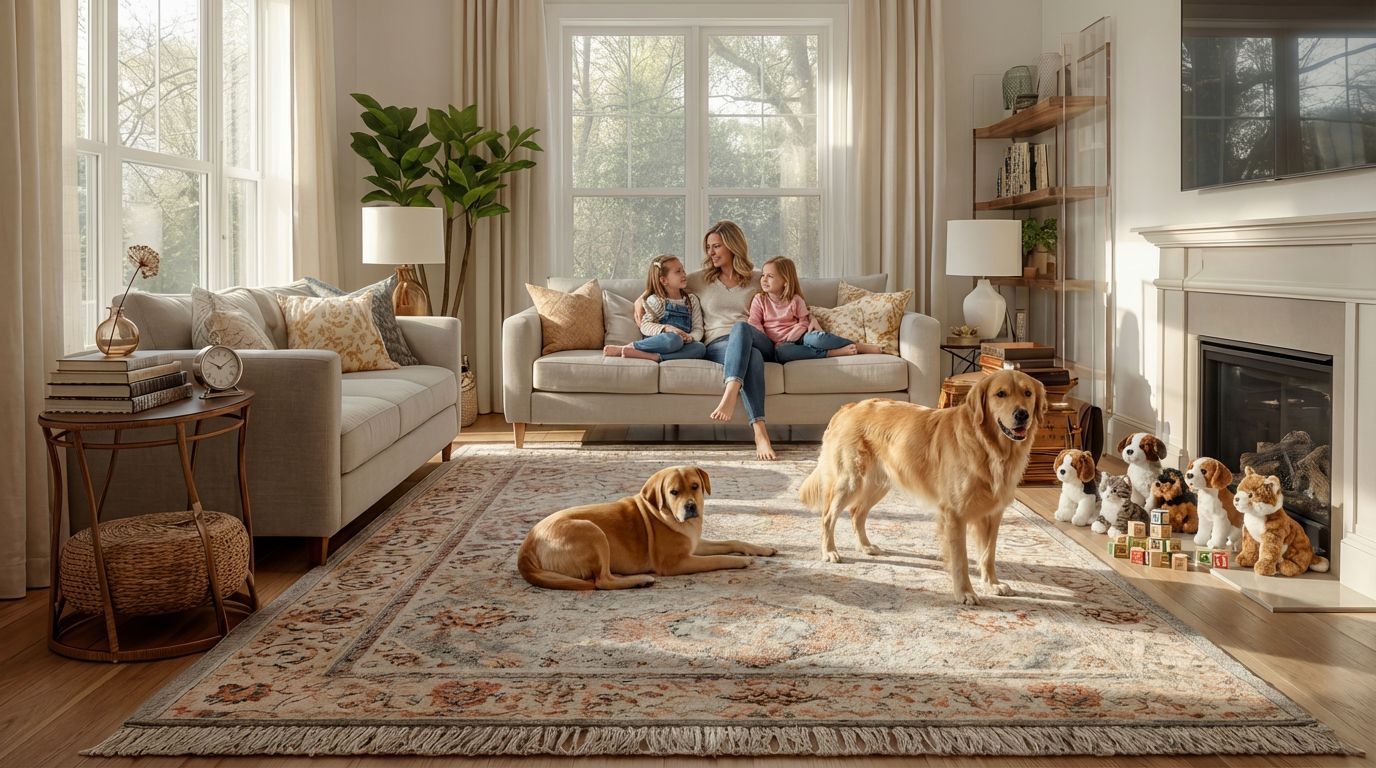
- Unknown Chemicals: Most brands don’t disclose the chemicals used in fibers or coatings. For safety, look for certifications or buy from reputable brands—especially if babies or pets spend time on the floor.
If installing washable rugs on hard floors, learn about SPC Flooring to ensure your foundation resists water and wear. For multi-function rooms, pair your rug setup with ventless washer dryers to streamline family laundry routines.
Conclusion
Washable area rugs deliver unmatched convenience for modern, family-oriented homes, especially in the popular 8×10 size. While the benefits—machine washability, allergy control, modern designs—are clear, real-world issues around color fading, thin materials, and non-slip performance mean no solution is perfect. Always scrutinize product specs, return policies, and real customer feedback before purchase to ensure your washable area rug meets your needs for the long haul. Ready to upgrade your space? Compare top-rated washable options, then invest in a rug that supports your busy life today.
Frequently Asked Questions
Can I put an 8×10 washable area rug in a standard washing machine?
Most home washing machines cannot fit a full 8×10 rug. Instead, choose brands that offer a two-piece system (like Ruggable), or plan to use a commercial washer at a local laundromat. Always check the manufacturer’s size compatibility before washing.
What’s the best way to prevent my washable rug from slipping on hard floors?
Layer a silicone or felt rug pad underneath your washable rug, even if it has a non-slip backing. This doubles the grip and helps the rug lay flat during heavy use or vacuuming.
Do washable area rugs hold up to frequent pet accidents or spills?
High-quality washable rugs handle frequent pet accidents or spills, but immediate washing improves outcomes. Delays can let stains set or odors linger. Choose dark or patterned rugs to better hide stains between washes.
Are there industry safety standards for chemicals or non-slip backings in washable area rugs?
No official industry or government regulations exist for chemical content or slip resistance in washable area rugs marketed to families. For extra safety, seek rugs labeled “non-toxic” and check for third-party certifications.
How often should I wash my area rug to control allergies?
Wash every 2-4 weeks, or immediately after significant spills or pet accidents. Combine with regular vacuuming and air purification for the best allergen control.
—