

Disclosure: As an Amazon Associate, we earn from qualifying purchases. This means we may receive a small commission at no extra cost to you if you click our links.
Key Takeaways
- Falls in the bathroom cause up to 30% of all in-home senior injuries, and thoughtful remodeling is proven to help lower these risks.
- Aging in place bathroom remodels should address slippery surfaces, tub and shower access, and stability issues—using features like curbless showers, grab bars, and non-slip flooring.
- Common mistakes and overlooked fixes can still lead to accessibility problems or leaks, so real planning and technical focus are crucial for long-term safety.
What is an Aging in Place Bathroom Remodel & Why Is It Critical?
Remodeling your bathroom for aging in place involves redesigning fixtures, flooring, and layout so that seniors can use the space safely—without barriers, trip hazards, or accessibility challenges. It’s more than adding a few grab bars; it means leveraging proven adaptations that directly reduce the risk of life-changing falls, especially when paired with smart material choices and professional installation.
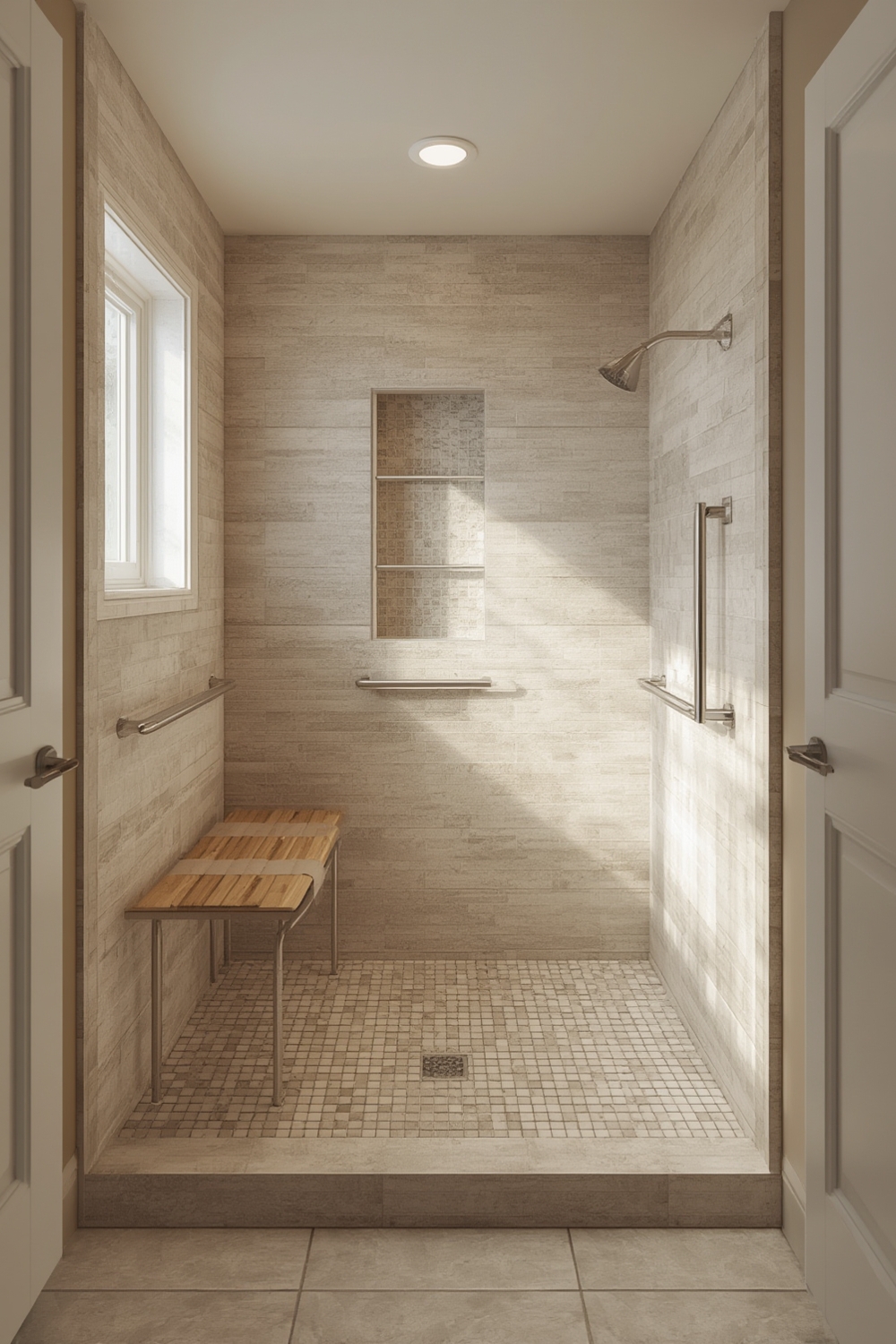
According to CDC data, over 14 million seniors fall each year, and up to 30% of these accidents happen in bathrooms. These falls frequently cause injuries that trigger long-term care needs, fractures, and even loss of independence. Features like walk-in tubs, non-slip flooring, and well-placed grab bars allow seniors to handle bathing and toileting needs confidently while drastically lowering emergency room visits.
In fact, experts note that 80% of senior household falls take place in the bathroom due to slick surfaces and high thresholds (source). A robust aging in place remodel is one of the only solutions able to address these physical risks head-on, giving families real peace of mind.
For anyone considering other large lifestyle upgrades, such as ADU garage conversion or SPC flooring installation, addressing bathroom accessibility should rank at the very top of your home’s checklist—especially if a loved one is planning to age independently.
Step-by-Step Guide: How to Remodel Your Bathroom for Aging in Place
Follow these actionable steps to carry out a successful, safety-focused aging in place bathroom remodel:
- Assess the Space and Identify Key Hazards: Start by making a realistic list. Are there slippery tiles, loose rugs, or high bath thresholds? Is the toilet low or wobbly? Note locations for future grab bars, and check lighting at all times of day.
- Target the Tub and Shower: Replace high tubs with walk-in models or curbless showers. Install built-in seats where possible and use non-slip flooring throughout wet zones. Make sure entry points don’t force anyone to step over a ledge or risk imbalance.
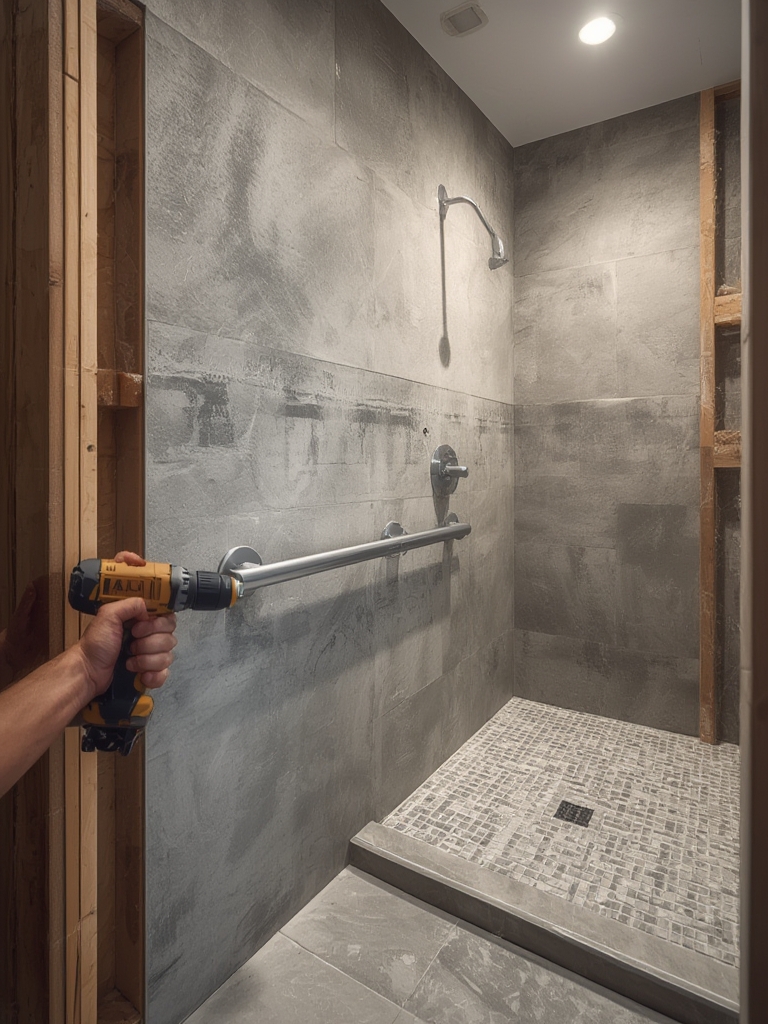
- Install Grab Bars and Reinforce Mounting Locations: Place sturdy grab bars near the shower entry, along the back shower wall, and beside the toilet. Use professional anchoring—never install grab bars into drywall alone.
- Upgrade the Toilet: Opt for comfort-height toilets (17-19 inches high). Add a grab bar or safety frame for stability.
- Reduce Clutter and Add Accessible Storage: Clutter is a real trip hazard. Use built-in wall shelving, like the Sterilite 4-Shelf Cabinet, to keep essentials within reach without blocking walking paths.
- Improve Lighting and Visibility: Bright, non-glaring LED lights help prevent stumbles and let seniors spot wet surfaces or obstacles immediately.
- Choose Low Maintenance, Non-Slip Materials: Select slip-resistant floor coverings and seamless surfaces in shower zones. Avoid cheap vinyl tiles that may peel or shift, especially when wet.
- Plan for Wheelchair or Walker Access: Ensure entries are at least 36 inches wide to accommodate mobility devices. Doors that swing outward or are replaced by pocket doors improve space and access.
For tight spaces, a ventless washer dryer can free up floor room that otherwise crowds the bath. Read our full ventless washer dryer guide for space-saving tips.
Before you begin, list all required materials, prioritize fixes that address major fall hazards, and connect with a local aging-in-place contractor experienced in ADA adaptation.
Advanced Analysis & Common Pitfalls
Even well-intended aging in place remodels can fall short if key issues are overlooked. Here’s what you need to watch:
- Grab Bar Failures: Many DIY installers mount grab bars directly to drywall, which often cannot support adult weight. Always secure into blocking or studs, or use mounting systems rated for 250+ pounds.
- Curbless Shower Leaks: Improper sloping and drain placement in threshold-free showers can allow water to escape, causing slip risks and expensive floor damage.
- Poor Product Choices: Some upgrade kits mix slippery plastics or mats that slide out of place easily.
- Inaccessible Layouts: Sinks, toilets, and storage still placed out of easy reach. Using the multifunctional kitchen island approach in terms of accessibility thinking can apply to bathroom shelving and fixture choices as well.
- Lack of Emergency Planning: Seniors should always have a reachable emergency button or waterproof call system in the bathroom.
| Upgrade Option | Benefits | Common Pitfalls | How to Avoid Problems |
|---|---|---|---|
| Curbless/No-threshold Shower | No step-over, easy wheelchair access | Improper slope can cause leaks/water pooling | Hire a pro who specializes in wet room design, use high-quality waterproofing membrane |
| Grab Bars | Stable hand support for balance | Loose or weak mounting fails under weight | Always install into solid wall backing; avoid stick-on bars |
| Walk-in Tub | Reduces step-over height, safe seating | Slow fill/drain time, may not fit smaller bathrooms | Measure layout carefully, check plumbing flow rates before purchase |
It’s also important to note that recent research could not identify major pain points from seniors after installing walk-in showers or curbless designs (read more). However, leaks, usability issues, or poorly thought-out design can still undermine safety, especially if you skip code compliance for installations like grab bars.
If you want to maximize safety and value, plan your remodel as carefully as you would any major project, such as home gym setup in a converted garage or a fluted wall panel upgrade. Invest the same level of detail and don’t cave to shortcuts.
Conclusion
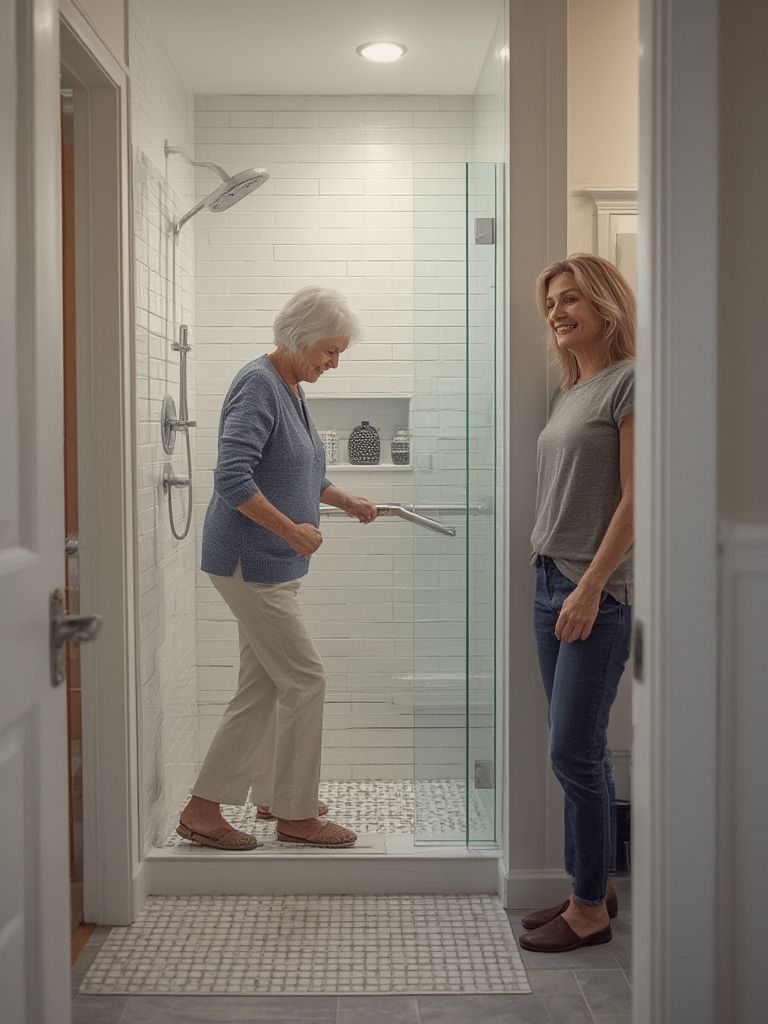
Remodeling a bathroom for safe, long-term independence isn’t about trends—it’s about reducing the real and rising risk of falls that jeopardize seniors’ health and comfort. By treating an aging in place bathroom remodel as a serious safety investment and applying the step-by-step approach outlined above, you can deliver measurable peace of mind for yourself or your loved ones.
Ready to take action? Get started by reviewing your current bathroom for hazards or contact a qualified local expert to make sure every detail is ADA-compliant, safe, and built to last. Real safety begins with a single upgrade.
FAQ
How much does an aging in place bathroom remodel cost?
Costs can range from $8,000 for basic upgrades (grab bars, comfort-height toilet, minor layout changes) to $30,000+ for full walk-in showers, waterproofing, and accessible cabinetry. Regional labor rates, materials, and scope all make a difference. Always get multiple bids and ensure contractors understand accessibility codes. As of 2024, no national average cost breakdown is available by region.
What is the best flooring material for aging in place bathrooms?
Look for non-slip porcelain or ceramic tile with high slip-resistance, or modern waterproof vinyl planks with grippy texture. Avoid glossy finishes and cheap stick-on tiles, which can peel up and create tripping hazards. For in-depth advice, see our SPC flooring buyers guide.
Are DIY grab bar installs safe for seniors?
Only if you install into solid wood backing or blocking behind the wall and use ADA-compliant hardware. Never attach grab bars just to drywall or tile, as these may fail under pressure. Professional installation is recommended for maximum safety.
Can a curbless shower flood the bathroom?
Yes, if the floor isn’t properly sloped toward the drain or the waterproofing fails. Always have a specialist design and install any no-threshold shower, using high-quality pan liners and drains. Regularly inspect caulking and floor seams for leaks.
What’s the most overlooked upgrade in senior bathroom remodeling?
Bright, evenly distributed lighting and built-in emergency call systems are frequently skipped—yet these features can prevent both minor and major accidents in just seconds. For extra organization and reducing clutter-related trips, using smart storage options like a Sterilite 4-Shelf Cabinet is also wise.