

Disclosure: As an Amazon Associate, we earn from qualifying purchases. This means we may receive a small commission at no extra cost to you if you click our links.
Multifunctional kitchen island designs are reshaping kitchens in 2024—adding flexible workspace, smart storage, and powering up appliances. But getting the right island isn’t always easy, and a poorly chosen model can create more hassle than convenience. Here’s what works now, what to avoid, and exactly how to plan your ideal setup.
Key Takeaways
- Multifunctional kitchen islands increase usability, boost renovation appeal, and support social living—but only if designed to match your space and workflow.
- Common pitfalls include overcrowding small kitchens, overlooking safety, and underestimating costs for premium features or built-in appliances.
- Designers recommend focusing on electrical safety, ergonomic height, and a practical cost breakdown before committing to a custom or movable island.
What Is a Multifunctional Kitchen Island and Why Should You Care?
A multifunctional kitchen island isn’t just a block of countertop. It’s a command center for your kitchen activities: prepping, dining, charging devices, storing gadgets, and sometimes handling built-in beverage coolers or dishwashers. In 2024, over 57% of kitchen renovators expect islands to anchor “eat-in” living instead of formal dining rooms (see NKBA 2024 Kitchen Trends). More than 42% now choose seven-foot islands or longer, up substantially since 2020, driven by needs for entertaining, working from home, and everyday family meals (Houzz 2024 US Study).
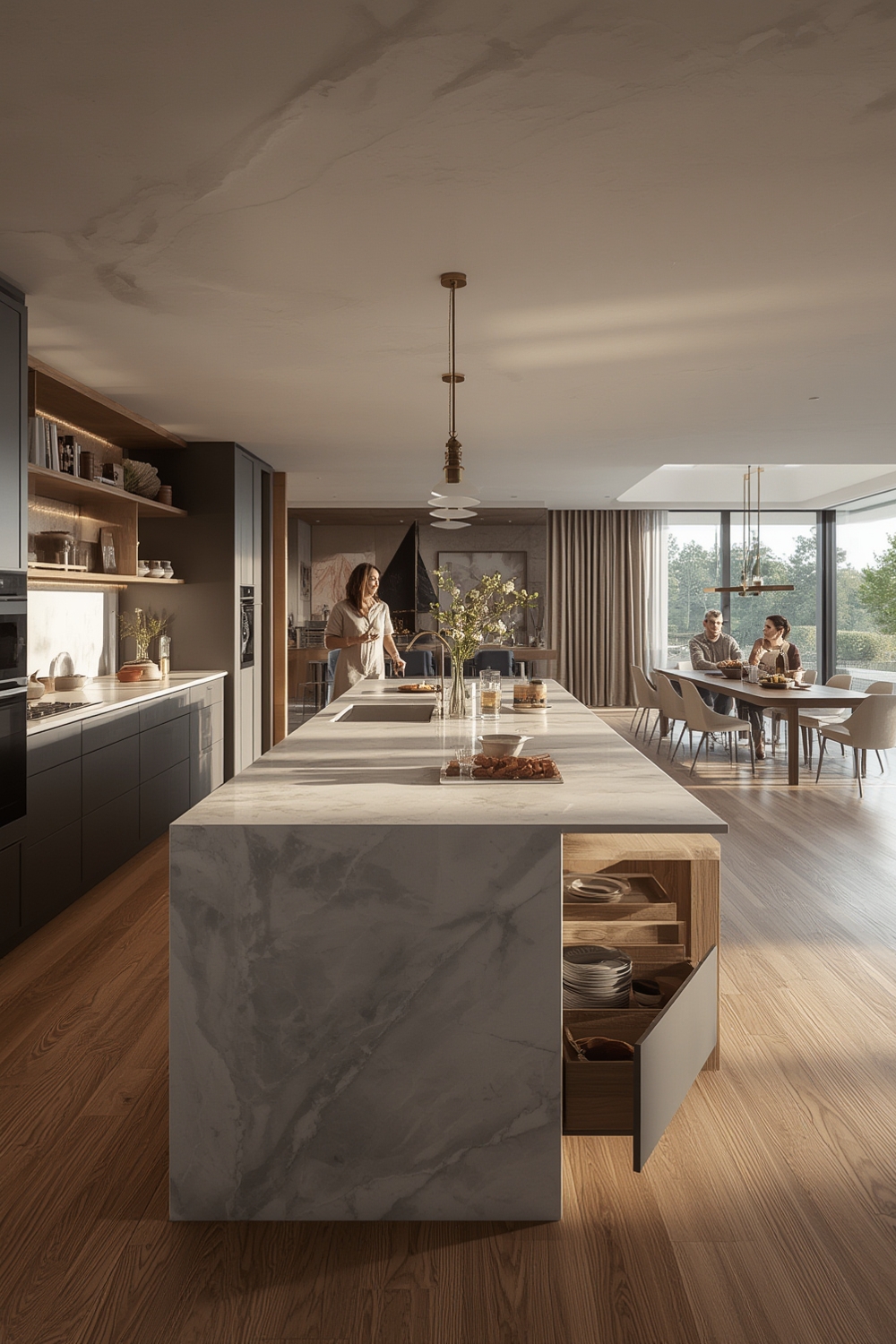
What sets a multifunctional island apart is more than size. Features like built-in beverage coolers, charging stations, smart storage (think hidden recycling), undercounter appliances, and ergonomic seating transform the workflow. However, costs and safety issues scale with complexity—especially if you add plumbing or power. Real resale value varies, but buyers increasingly expect islands that do more than just look pretty (AIA Design Trends Q1 2024).
If you’re weighing a multifunctional upgrade, read on for a realistic, step-by-step planning approach—plus gotchas most remodeling guides skip entirely.
How to Plan, Design, and Install a Multifunctional Kitchen Island (Step-by-Step)
Adding a multifunctional kitchen island isn’t just a matter of picking a style. Here’s how to do it right, avoiding costly mistakes:
- Assess Your Space
- Measure clearances: if you can’t maintain at least 42 inches between the island and countertops, rethink the plan—overcrowding is a top complaint (see real-world examples).
- Decide if a fixed or movable island works best. Movable models add flexibility for small kitchens but require special attention for power/logistics.
- Choose the Right Functions
- Identify your top needs: extra seating, storage solutions like deep drawers, outlets for gadgets, undercounter appliances, or a prep sink.
- Prioritize ergonomic comfort—standard island height is 36 inches, but if you bake a lot, consider a 32″ section for kneading. Adjustable seating is a plus.
- Address Power, Water & Ventilation Safely
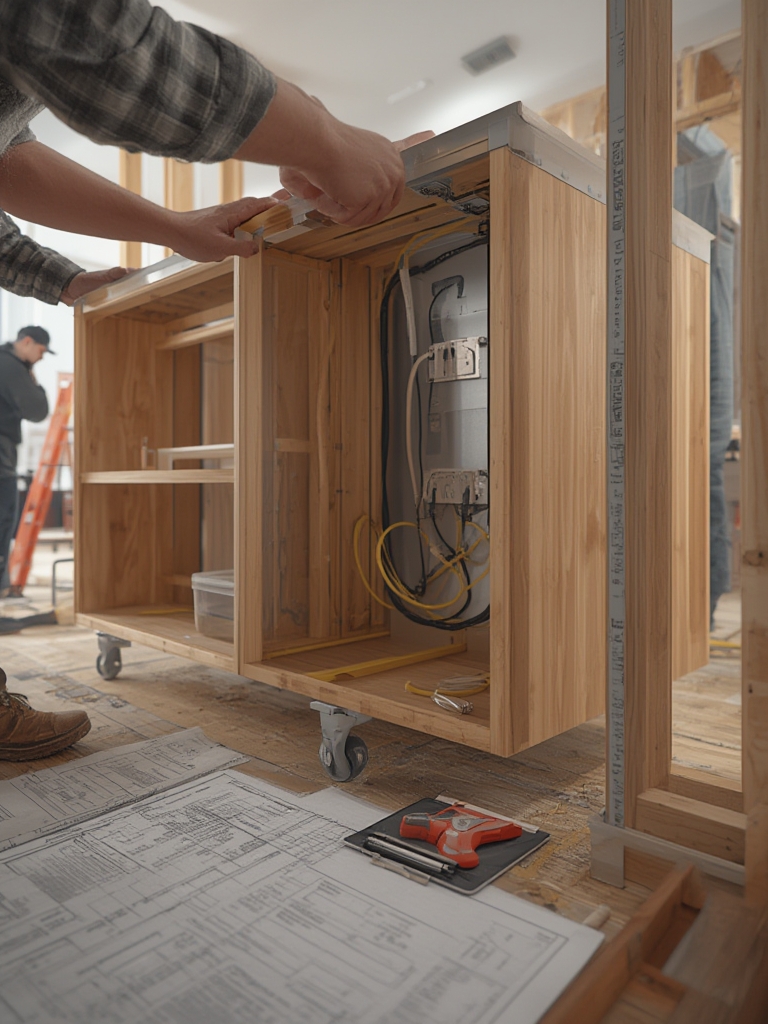
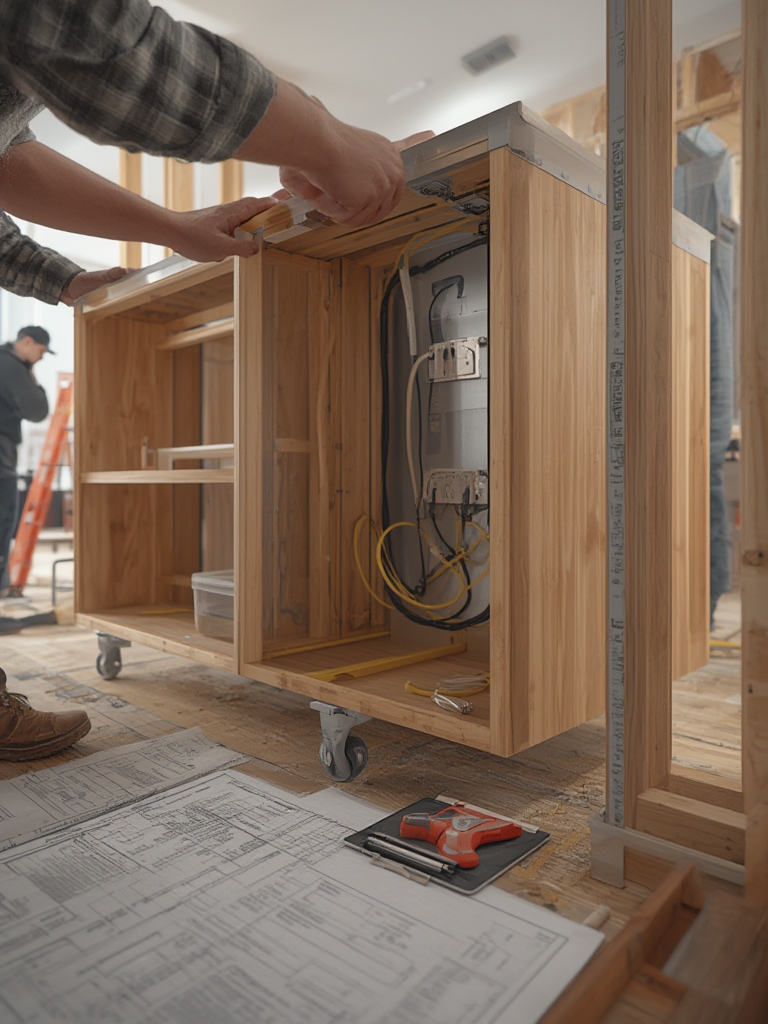
- For built-in outlets, NEC codes (NFPA NEC standards) generally require GFCI-protected receptacles. Movable islands with power must have flexible cables and locking casters; never overload or use standard extension cords.
- Appliances like dishwashers or microwaves need ventilation and careful load calculation. Some setups require under-island ducts or reinforced flooring.
- Calculate Real Costs
- Plan for base cabinetry ($1,200–$4,000+), premium countertops like quartz or granite ($2,000–$5,000), appliances, outlets, and labor. Waterfall edges, smart charging, or built-ins can each add $500–$2,500+ depending on specs and region.
- Factor in electrical/plumbing permit costs and ongoing maintenance—especially for movable or powered models.
- Balance Aesthetics With Utility
- Look for finishes that resist scratches and wipes clean easily—think quartz, engineered stone, or butcher block rather than porous marble if maintenance stresses you out.
- Smart storage solutions (hidden pullouts or recycling bins) multiply function with minimal footprint. Consider sound absorption with materials like fluted wall panels—see our fluted wall panels installation guide for inspiration.
- For small kitchens, skip the fixed island—opt for a four-seater freestanding table for compacter kitchens as seen in city apartments (real-world advice).
- Want to maximize vertical space? Try ceiling racks or a Sterilite 4 Shelf Cabinet; check our Sterilite 4 Shelf Cabinet review for smart pantry storage options.
- If planning laundry or water appliances, weigh ventless washer/dryer combos: see our ventless washer/dryer guide — ideal for compact, multi-use spaces.
Looking for flooring options that can handle heavy-duty kitchen traffic? Explore SPC flooring options for durability beneath your new island area.
Advanced Analysis & Common Pitfalls with Multifunctional Kitchen Islands
Even the most beautiful multifunctional kitchen island can become a liability if you skip key details. Here are some of the biggest issues revealed in recent design trends and real-world installations:
- Space Creep: Homeowners often sacrifice too much floor area, especially in kitchens under 200 sq feet. Once installed, an oversized island blocks workflow, limits storage access, and becomes frustrating to clean around.
- Electrical and Plumbing Safety: Movable islands with power outlets or plumbing must follow strict codes—many DIYers skip GFCI protection, don’t secure cabling, and risk fire/shock hazards.
- Ergonomic Oversights: Wrong counter heights or awkward seating discourage use (especially for kids or older adults). Adjustable stools and split-height counters are rarely considered, even though they make a difference.
- Undercounted Costs: Premium features like waterfall edges, hidden trash, and charging stations cost more than most guides admit. Many renovators underestimate permit costs and routine upkeep for complex islands.
- Maintenance Headaches: Fancy finishes and specialty surfaces need care; marble and some woods stain, scratch, or chip with heavy use. Stick to durable, easy-to-clean materials if you’re pressed for time.
| Island Feature | Pros | Cons |
|---|---|---|
| Fixed, Custom-Built Island | Maximum stability; allows all built-in appliances & storage; highest resale value. | Permanent; costly to move/modify; risky in tight spaces; may require major permits. |
| Movable Island with Power | Flexible for small spaces; can be repositioned; good for renters. | Requires special safe cords/casters; fewer built-in appliance options; safety risk if cables snag/move unexpectedly. |
| Waterfall Countertop Edges | Ultra-modern look; edge durability; visually enlarges the kitchen. | High cost; damage/chipping risk on corners; may not fit all styles. |
| Built-In Charging Stations | Convenient for devices; declutters outlets elsewhere. | Must be GFCI and tamper-resistant; repair can be tricky if integrated poorly; another point of potential failure. |
For small spaces, experts increasingly suggest ditching the traditional island for a flexible, counter-height table or cart: this avoids major permit costs and allows for quick space resets—a tip used widely in ADU and compact apartment remodels (see our ADU garage conversion guide).
Conclusion
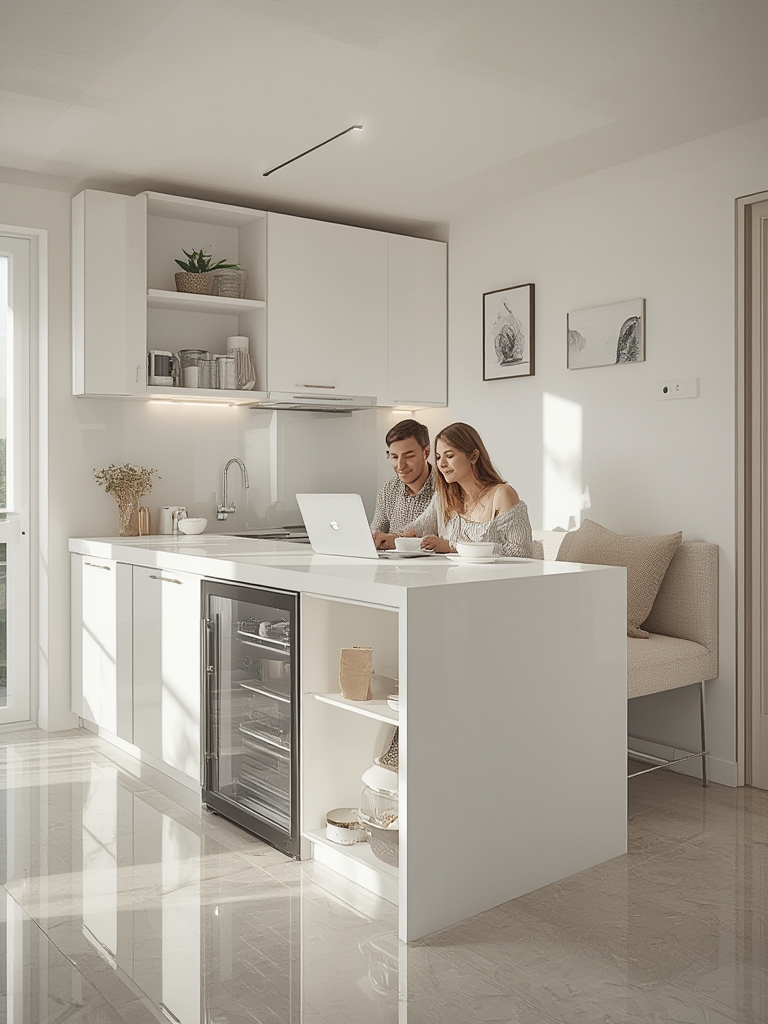
A well-planned multifunctional kitchen island can transform even a modest kitchen—boosting practicality, home value, and everyday enjoyment. But the right island depends on your exact layout, safety considerations, and what you’ll actually use (not just what’s trendy). Take time to analyze your workflow, budget for realistic costs, and nail down technical specs before buying or building. In the end, a multifunctional kitchen island should fit seamlessly into your life, not fight against it.
Ready to start your project? Explore more tips on smart storage, sound control, and space-saving solutions throughout our site—or talk to a qualified remodel expert about bringing your vision to life.
Frequently Asked Questions
How much does a custom multifunctional kitchen island cost in 2024?
Pricing varies widely by size, features, and region, but expect $3,000–$10,000+ for quality builds with features like premium countertops, power outlets, and seating. Waterfall edges, undercounter appliances, or integrated lighting each add $500–$2,500 or more to the project.
Are movable kitchen islands with power outlets safe?
Only if you follow strict electrical codes. Movable islands using power must have GFCI-protected, flexible connections (not regular extension cords), locking casters, and tamper-resistant outlets. Consult a licensed electrician, especially for high-wattage appliances.
What’s the best island type for a small kitchen?
Often, a compact, counter-height table or rolling kitchen cart delivers better flow than a fixed island. Look for models with integrated storage but lightweight enough to move aside when needed, as seen in many city apartments.
Can a kitchen island really increase my home’s value?
Kitchen upgrades—including multifunctional islands—are consistently ranked as value-boosting by buyers and agents. However, the effect depends on your local market, the quality of design, and whether the island genuinely improves function and space.
Should I add water or gas lines to a kitchen island?
Only if truly necessary and budget allows—plumbing or gas rough-ins dramatically increase cost and code requirements. For most homeowners, electrical-only islands deliver great function with much simpler installation.


[…] for more space-saving, tech-forward furniture ideas? Explore how multifunctional kitchen islands and ventless washer dryers can upgrade your living […]