

Disclosure: As an Amazon Associate, we earn from qualifying purchases. This means we may receive a small commission at no extra cost to you if you click our links.
Key Takeaways
- Circadian rhythm lighting has proven scientific benefits for sleep duration, efficiency, and daytime alertness.
- Most market-ready solutions for homes are smart bulbs and tunable white LEDs, but true dynamic systems require careful planning for best results.
- Potential pitfalls include lack of intuitive controls, installation challenges, and the need to strictly avoid blue light at night for optimal effect.
What Is Circadian Rhythm Lighting and Why Does It Matter?
Circadian rhythm lighting, sometimes called human-centric lighting, is a lighting strategy designed to mimic the changing spectrum and intensity of daylight over 24 hours. This approach aims to keep your biological clock (the circadian rhythm) in sync and boost overall wellbeing—especially sleep quality.
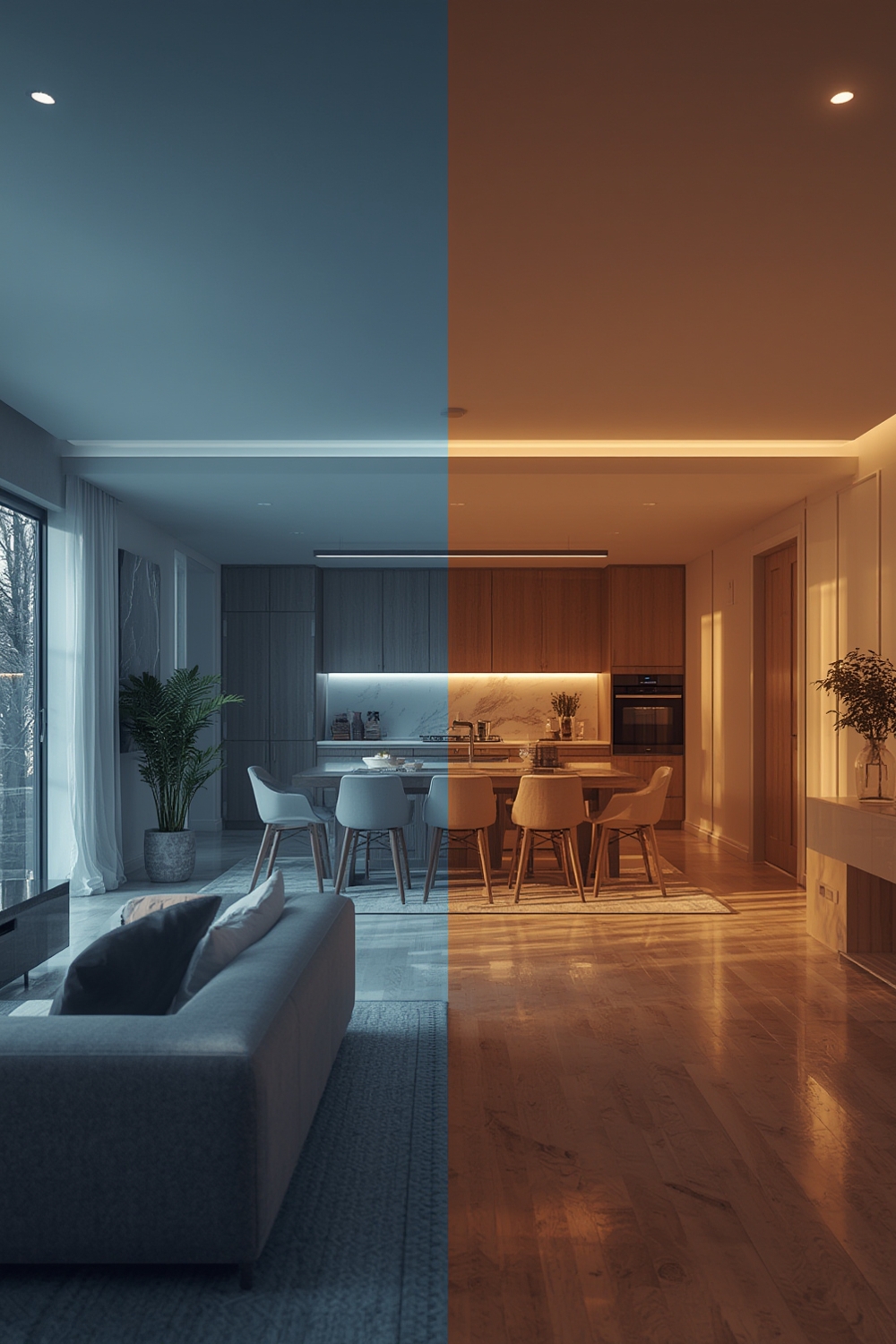
Research has shown that exposure to blue-enriched light during the morning improves alertness, lengthens sleep, and enhances sleep efficiency. For example, studies revealed that dynamic lighting could increase nocturnal sleep by up to 66 minutes, and reduce attention lapses during night shifts by half.1 Evening exposure to dim, warm, blue-depleted light prevents unwanted delays in the circadian phase and reduces sleep disruptions.
This science-backed approach is especially valuable for shift workers, people struggling with jet lag, and anyone wanting better sleep at home—yet it’s easily overlooked in daily lighting setups. Implementing circadian rhythm lighting isn’t just about buying “the right bulb”—it requires a thoughtful lighting schedule and good habits.
If you’re already optimizing other areas of your home—like installing durable storage cabinets or upgrading with SPC flooring for healthier environments—adding circadian-friendly lighting is a natural next step for real-life wellness.
How to Implement Circadian Rhythm Lighting at Home: A Step-by-Step Guide
- Audit Your Spaces and Natural Light:Start by observing daylight patterns in each room. List where you spend mornings versus evenings and identify areas that need artificial lighting at different times of day. Bedrooms, offices, and living rooms are top priorities. If you’re already working to improve indoor air quality with whole home air purification, this step will feel familiar.
- Select the Right Circadian-Capable Lighting:Choose between smart bulbs, tunable white LED fixtures, or a full human-centric system. Smart bulbs (like Philips Hue or LIFX) offer flexibility for DIY schedules, while tunable panels or downlights provide a true daylight spectrum. Carefully check that your chosen product allows precise control over color temperature and scheduling.
- Plan a 24-Hour Lighting Schedule:To maximize circadian effects, use bright, cool (blue-enriched) white—5000K to 6500K—during the morning and mid-day. Gradually transition to warmer, dimmer light—below 3000K—after sunset, and keep lights lowest 2–3 hours before bed. avoid blue-enriched light smartphones, tablets, and bright LEDs in the hours before sleep.
- Automate Your Lighting Changes:Most smart lighting apps let you schedule color temperature shifts. Program morning boosts, gentle mid-afternoon dimming, and strong warming and dimming in the evening. Manual control is possible, but automation helps enforce the right pattern for better results.
- Test, Refine, and Combine with Good Habits:Adjust the timing and intensity based on your actual sleep and alertness. If possible, spend at least 20–30 minutes in bright, blue-enriched light soon after waking. Pair lighting changes with regular bedtimes and screen curfews.
These steps support sleep and wellness in much the same way compact ventless washer dryer units support smarter, healthier living in small spaces: both require clever planning, a willingness to adapt, and a few trial-and-error tweaks to match your habits and home.
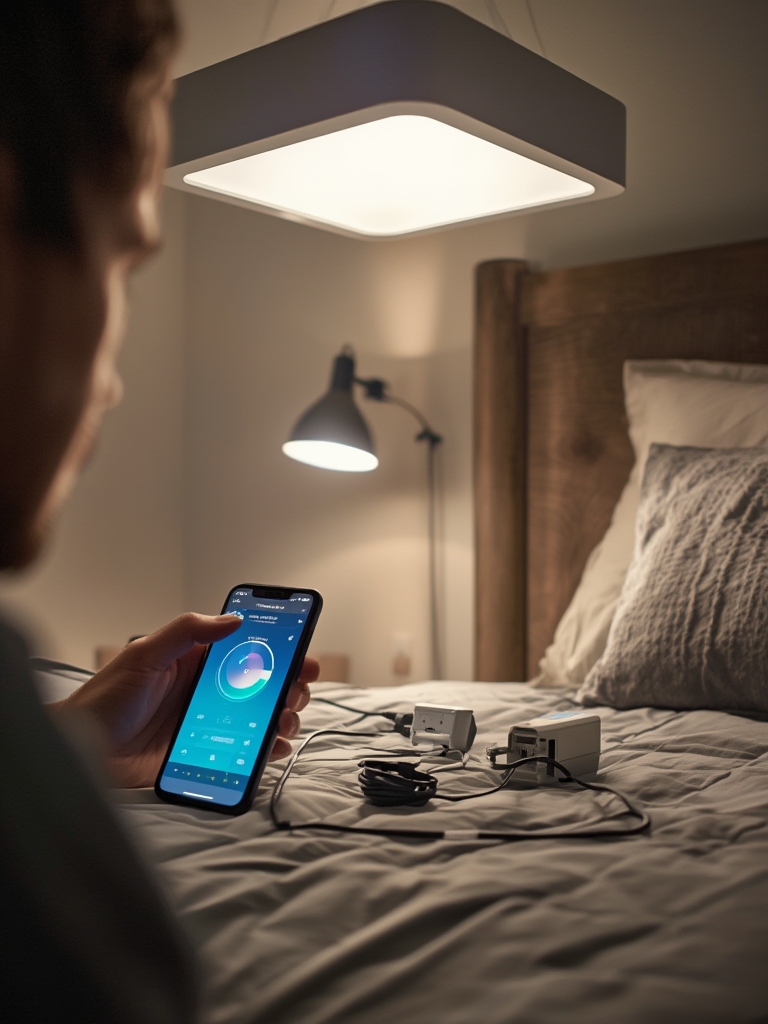
Remember: If you’re already making sustainable upgrades (like installing heat pump water heaters or soundproofing panels), aligning your home’s lighting rhythm is another practical way to boost both comfort and daily function.
Advanced Analysis & Common Pitfalls
Potential Problems with Circadian Lighting at Home
- Limited Product Capabilities: Most smart bulbs and tunable panels don’t precisely mimic the full daylight spectrum. Cheaper systems may lack full-day scheduling or smooth transitions, leading to subpar benefits.
- App and Scheduling Complexity: App interfaces can be confusing. Automation requires patience—a single missed update may result in blue light exposure late in the evening, potentially hurting sleep rather than helping it.
- Installation Frustrations: Some tunable panels require rewiring or custom controls, which can be costly and time-consuming compared to standard bulb swaps.
- Cost and ROI Unknowns: No clear market data or price studies exist as of 2024. Upfront costs for multi-room, high-quality lighting may range from $200 for smart bulbs (DIY) up to several thousand for advanced systems, but exact numbers are still hard to pin down.
- Lifestyle Disruptions: Following strict “no blue light at night” protocols may mean adjusting evening routines and use of devices or other fixtures.
Comparison: Tunable White LED Panels vs. Smart Bulbs
| Feature | Tunable White LED Panels | Smart Bulbs |
|---|---|---|
| Spectrum Quality | Closer to natural daylight | Varies, often limited |
| Installation | May require professional install | DIY-friendly |
| Scheduling/Control | More robust with system integration | Dependent on app and hub |
| Cost (Estimate) | Higher initial outlay | Lower, scalable per bulb |
| Flexibility | Great for renovations/new builds | Easy retrofit for apartments or dorms |
Keep in mind: there is limited independent testing of commercial “circadian” lighting claims for home use. Most scientific studies provide results from tightly controlled lab or hospital settings, but real-world results depend on correct installation and strict adherence to light schedules.
If you’re adding circadian rhythm lighting as one part of a larger home upgrade—like converting a garage to an ADU (get tips here) or installing a stylish acoustic wall—consider budgeting for both product and professional install to avoid costly mistakes and maximize value.
Conclusion
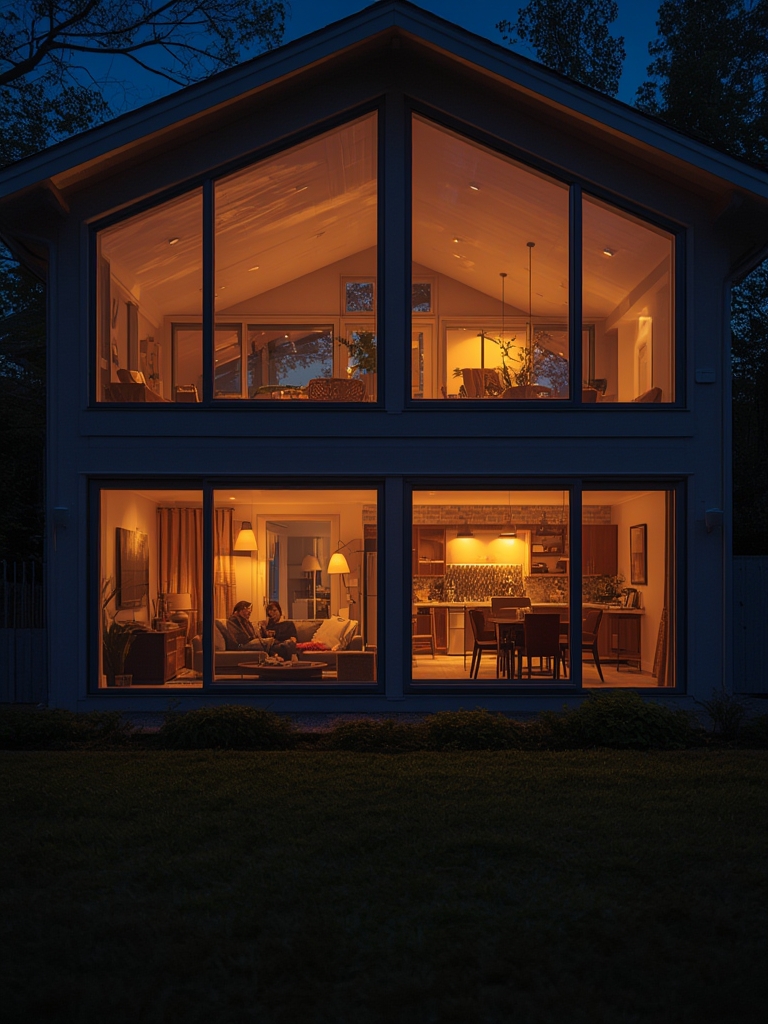
Circadian rhythm lighting is a science-backed tool to improve sleep, alertness, and overall wellbeing at home. The key is following a proper light schedule with blue-enriched light during the day and warm, dim light at night. While product limitations and setup challenges exist, the effort is often worthwhile for people serious about optimizing their daily health. Try circadian rhythm lighting now—start small, refine your schedule, and notice real improvements in the way you feel each day.
Ready to take the next step? Explore more home wellness ideas and upgrade guides throughout our site.
FAQ
Does circadian rhythm lighting really improve sleep?
Yes. Scientific studies show it can increase sleep duration by up to 66 minutes, improve sleep efficiency by 9%, and boost morning alertness. Benefits depend on following a consistent lighting schedule—see this clinical study for details.
Can I set up a DIY circadian lighting schedule at home?
Absolutely. You can start with smart bulbs or tunable white LEDs and use app-based schedules. Set cool, bright light for mornings (5000K–6500K), and warm, dim light after sunset (below 3000K). Automation is recommended for best results.
What’s the difference between tunable panels and smart bulbs?
Tunable LED panels offer broad, even coverage and closely mimic natural light—best for renovations or whole rooms. Smart bulbs are easier to retrofit and cost less, but may offer a narrower light spectrum and less control.
Are there risks with using circadian lighting systems incorrectly?
Yes. Exposure to blue light in the evening or overly bright lights at night can disrupt circadian rhythms and actually worsen sleep. Always avoid blue-enriched light at least two hours before bedtime.
How much does a home circadian lighting system cost?
Simple setups with smart bulbs can start at around $200. Full dynamic systems with tunable panels may cost several thousand dollars. Costs depend on the number of rooms, installation needs, and quality of fixtures.