

Disclosure: As an Amazon Associate, we earn from qualifying purchases. This means we may receive a small commission at no extra cost to you if you click our links.
Basement conversion living space projects are quickly becoming the go-to solution for maximizing property value, rental income, or simply gaining usable square footage in your own home. Whether you want a cozy home office, an in-law suite, or an income-producing rental, understanding the process, costs, and pitfalls is crucial to avoid expensive regrets. This guide reveals everything you need to know, with proven strategies you won’t find elsewhere.
Key Takeaways
- Basement conversion living space costs in 2026 can range from $15,000 to more than $100,000 depending on size, finish level, and intended use.
- Permits, hidden water issues, and poor planning are the leading causes of budget overruns and project delays.
- Most guides skip vital topics like accessibility, real soundproofing needs, and sustainable materials—this guide covers them.
- What is a Basement Conversion Living Space? (and Why Do It?)
- How to Convert a Basement: Step-by-Step Action Plan
- Advanced Analysis & Common Pitfalls
- Conclusion
- Frequently Asked Questions
What is a Basement Conversion Living Space? (and Why Do It?)
Converting an unfinished basement into a legal, comfortable living space is one of the smartest moves you can make to improve your home’s functionality and value. A basement conversion living space can be a bedroom, home office, guest suite, rental apartment, or even a gym. This upgrade delivers a robust return on investment while solving square footage problems and creating flexible areas to rent, relax, or work without an addition or major expansion.
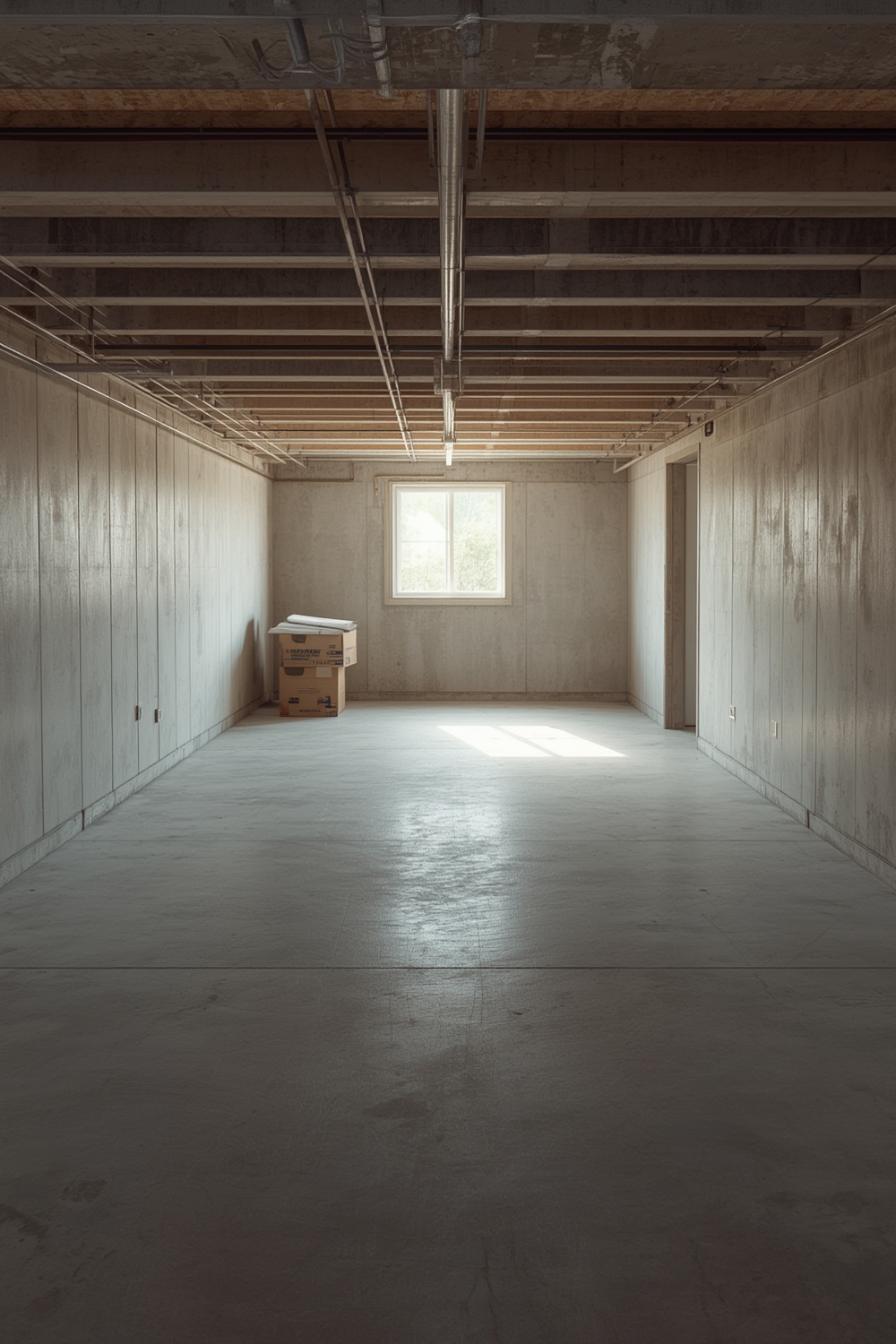
The process involves much more than drywall and paint—think waterproofing, insulation, new plumbing or electrical, emergency egress windows, and permits that protect both your safety and resale value. Let’s break down what’s involved and what it’s likely to cost in 2026.
How to Convert a Basement: Step-by-Step Action Plan
- Assess Feasibility & Scope
Check ceiling heights, moisture issues, and local code requirements for bedrooms, offices, or rental units. In some regions with humid climates, like Michigan, extra waterproofing is essential (source). - Set a Realistic Budget
Expect national 2026 finishing averages between $15,000–$75,000, or $7–$100+ per square foot, with most midrange basement projects around $30,000–$35,000 (source). - Obtain Permits
Contact your city’s building department. Most projects require permits ($500–$2,000) and compliance with bedroom egress window and ceiling height rules. These details are critical for legal bedrooms in a basement (source). - Hire Licensed Pros
Labor costs make up 40–50% of your budget. Verify credentials of your contractor, electricians, and plumbers to handle specialized work and pass inspections. Ask about waterproofing guarantees. - Plan Space & Utilities
Design with consideration for natural light, egress, HVAC comfort, electrical load, and plumbing. Open concept layouts (400–600 sq ft) for rec or family rooms are trending for a 55–60% ROI, according to recent reports (source). - Incorporate Accessibility, Soundproofing & Sustainable Materials
Most guides ignore these. For rental spaces or multi-generational living, consider wider doorways, ramp entries, acoustic panels, and eco-friendly options like low-VOC paints. For professional soundproofing guidance, see this detailed guide. - Expect Hidden Costs
Plan for surprises such as electrical upgrades ($3,000–$8,000+), plumbing ($45–$200/hr), framing ($700–$1,800), or moisture remediation—leave a 10–15% contingency in your budget.
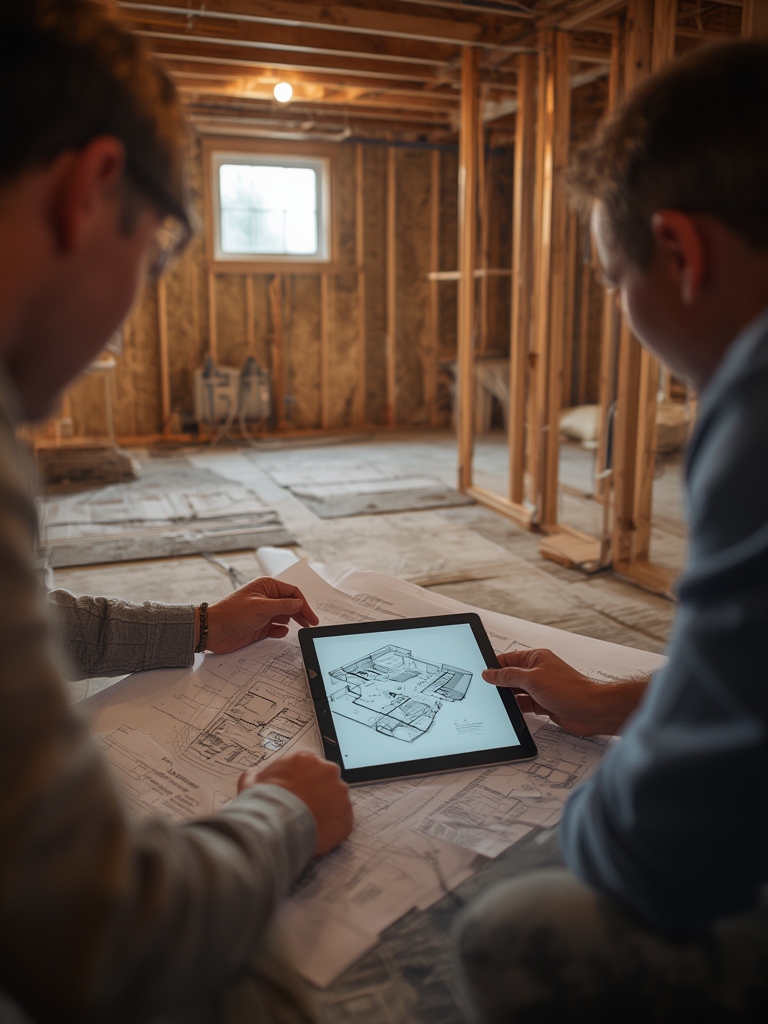
For compact storage or fitness areas, consider modular furniture like the Sterilite 4 Shelf Cabinet or explore flexible designs like a garage conversion home gym setup for versatile use. If your plan includes a kitchenette or bathroom, a heat pump water heater may slash energy bills versus traditional models.
Advanced Analysis & Common Pitfalls
Even the most well-planned basement conversion living space can be derailed by overlooked details or unexpected costs. Here’s an analytical look at what causes the most problems and how to avoid them.
Cost Ranges by Size and Finish Level (2026 Projections)
| Basement Size | Basic Finish | Mid-Range Finish | High-End Finish |
|---|---|---|---|
| 300–500 sq ft | $3,500–$22,500 | $10,000–$40,000 | $20,000–$65,000 |
| 500–800 sq ft | $16,000–$36,000 | $25,000–$64,000 | $42,500–$104,000 |
| 800–1,200 sq ft | $25,600–$54,000 | $40,000–$96,000 | $68,000–$156,000 |
| 1,000 sq ft | $7,000–$23,000 | $20,000–$35,000 | $40,000–$70,000 |
| 1,500 sq ft | $10,500–$34,500 | $30,000–$52,500 | $60,000–$105,000 |
SOURCE: USA Cabinet Store, Trusscore
Most Frequent Problems and Hidden Expenses
- Permit Surprises: Regulated egress windows, fire separation, and bedroom code requirements; missing any could mean failed inspections and costly rework (source).
- Waterproofing Fails: Rushing waterproofing or skipping a drainage inspection often leads to future flooding and mold. Michigan homeowners face extra waterproofing costs due to climate (source).
- Creeping Costs: Electrical and plumbing upgrades, framing, and concealed problems routinely exceed initial budgets by 15% or more.
- Noise: Basement rental units or home offices without solid soundproofing are frequent sources of long-term complaints. To learn how to properly soundproof a basement, see this home soundproofing guide.
- Ignoring Accessibility and Sustainability: Narrow doors, lacking ramps, or poorly insulated materials make the space uncomfortable for future occupants or tenants seeking eco-upgrades.
Three Gaps Most Competitor Guides Miss
- Accessibility Upgrades: Add ramps or zero-threshold doors for inclusive spaces and future resale appeal. A small upfront investment can pay off big, especially for rental conversions.
- Soundproofing Requirements: Don’t just hang drywall—use acoustic panels, sound-matting under flooring, and solid-core doors for vastly improved comfort and privacy. See our expert breakdown on soundproofing panels.
- Sustainable Materials: Use eco-insulation, reclaimed wood, and low-VOC paints or finishes. These upgrades enhance air quality and appeal to modern buyers and renters. For a flooring comparison, check out SPC flooring vs LVP pros and cons.
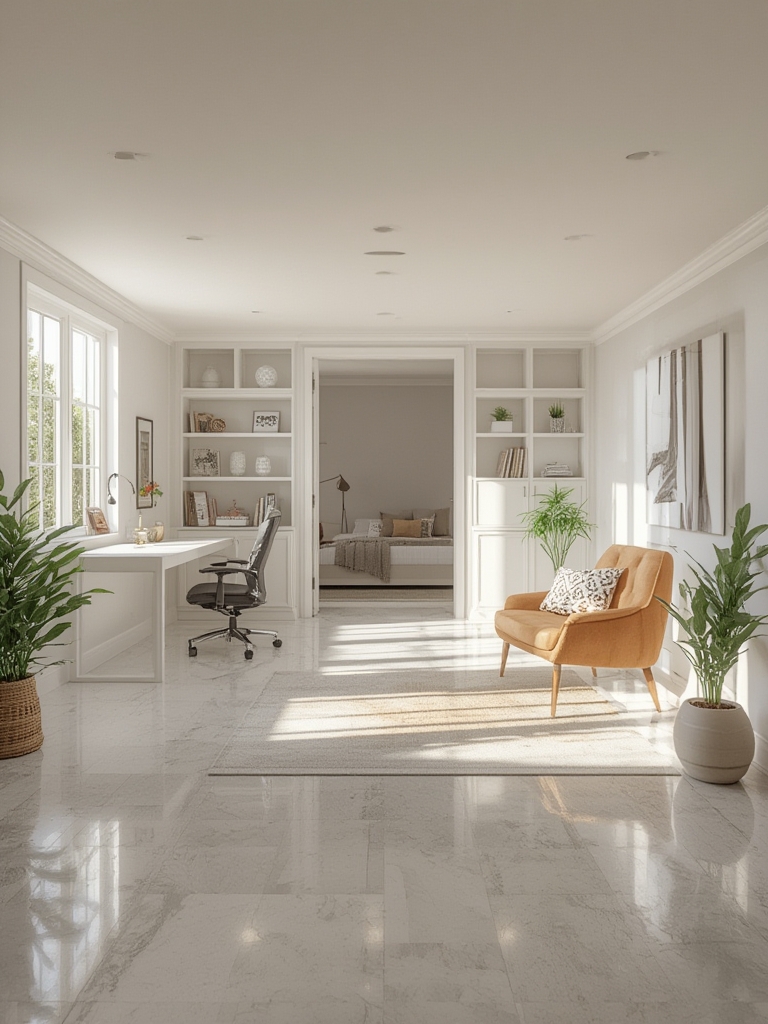
Conclusion
Converting your basement into a safe, code-compliant, and comfortable living space is a proven way to add both everyday function and long-term value—but only if you plan carefully for hidden costs, permits, and modern upgrades like soundproofing and sustainable materials. Whether your goal is a flexible home office, a guest suite, or a high-performing rental, every basement conversion living space project benefits from prioritizing expert planning and future-proof designs. Ready to start? Check your local rules, set your budget, and connect with a licensed pro—or explore our in-depth guides on ADU garage conversions, custom kitchen islands, or even adding a home sauna for further inspiration. Your basement’s untapped potential is waiting—make the most of it today.
Frequently Asked Questions
How much does it cost to convert a basement into living space in 2026?
For 2026, expect total costs from $15,000 for basic finishes in a small area to $75,000 or more for high-end or apartment conversions. Most mid-range projects cost $30,000–$35,000, depending on size, finish level, and local labor rates (source).
What permits are required for a basement bedroom conversion?
At minimum, you’ll need building permits ($500–$2,000), and your city may require special drawings or inspections. Bedrooms must have legal egress windows that meet local fire codes. Exact requirements vary widely, so always check with your city or county office (source).
How do I prevent moisture or mold problems in my finished basement?
Prioritize waterproofing before any construction: fix outside drainage, apply vapor barriers, and use quality insulation. In damp regions, professional waterproofing is a must. Skipping this exposes you to costly repairs and health risks down the line. For added protection, consider a 50-Pint Basement Dehumidifier with Auto Drain Pump.
Can my basement conversion add rental income or resale value?
Definitely—when done to code, conversions typically add 55–60% of project costs back in resale value. For legal rentals, value increases dramatically—but only if local code and accessibility are addressed.
What’s the most overlooked upgrade for a basement living space?
Soundproofing, accessibility features, and using eco-friendly materials are most often ignored by DIYers and even some contractors. These upgrades boost comfort, long-term value, and marketability for both rentals and re-sale.