

Disclosure: As an Amazon Associate, we earn from qualifying purchases. This means we may receive a small commission at no extra cost to you if you click our links.
### Blog Post:
Mini split heat pump installation is quickly becoming the go-to solution for flexible, energy-efficient home heating and cooling. As upfront costs and practical challenges often surprise first-timers, this guide breaks down the real numbers, pitfalls, and actionable steps so you can make the smartest decision for your space. If you want to avoid wasted money or headaches in 2024, keep reading.
Key Takeaways
- Mini split heat pump installation ranges from $2,500 to $18,000+, with real costs depending on home size, number of zones, and labor.
- DIY installation risks voiding warranties and hidden complexities make professional help preferable for most homeowners.
- Accurate BTU sizing and location planning are critical for system efficiency—cutting corners here will cost you more long-term.
- What Is Mini Split Heat Pump Installation and Why Choose It?
- Step-by-Step Guide: Installing a Mini Split Heat Pump
- Advanced Analysis & Common Pitfalls
- Conclusion
- FAQ
What Is Mini Split Heat Pump Installation and Why Choose It?
Mini split heat pump installation involves setting up a ductless heating and cooling system that can efficiently manage indoor climate by moving heat in or out of your living space. Unlike traditional central AC or furnaces, mini splits require no ductwork, offering more flexible zone control and typically greater energy savings. They’re popular for garages, ADUs, and homes where adding ducts is complex or expensive.
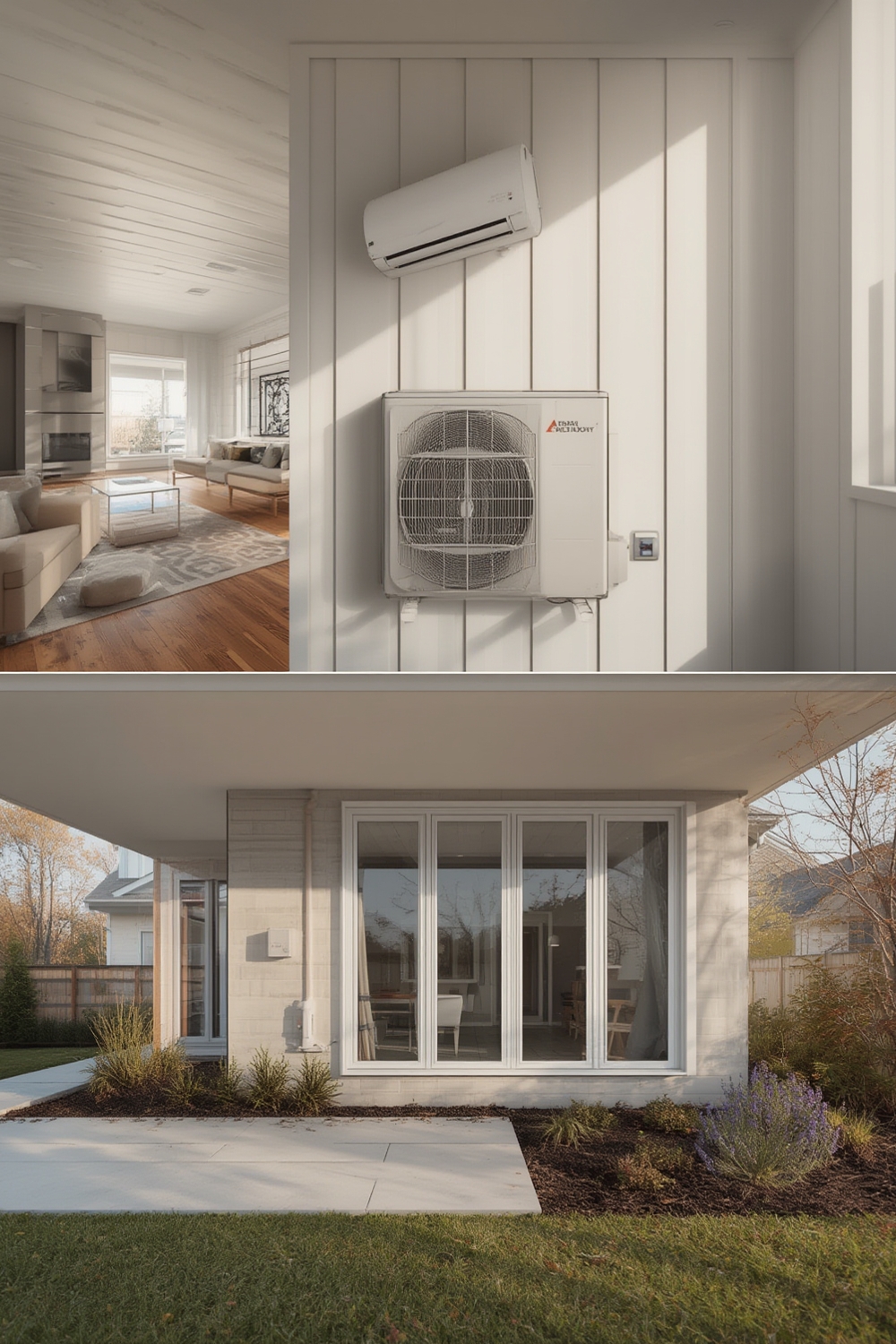
Adoption is climbing as incentives and utility bills push homeowners to seek alternatives to central AC. However, costs and installation complexity require careful planning. If you’re considering a garage conversion or need targeted climate control in places where ductwork isn’t feasible, a mini split is often the cleanest solution. For broader home upgrades, you might consider integrated HVAC or home air purification solutions—compare options based on your goals.
Step-by-Step Guide: Installing a Mini Split Heat Pump
- Assess your needs and space.
- Determine total square footage and zone count. For a single garage or bedroom (150-400 sq. ft.), 6,000–9,000 BTU is typical. For larger open layouts or multi-room ADUs, size up to 36,000+ BTU as needed. Use the most up-to-date sizing guidelines from sources like Della Home to avoid efficiency or comfort issues.
- Consider climate. Cold climates, uninsulated garages, or south-facing rooms may need higher BTU per sq. ft.
- Choose the right equipment.
- Single or multi-zone? One room or multiple? Leading brands offer systems from 6,000 BTU up to 60,000 BTU. Make sure system specs match your exact needs for efficiency.
- Refer to product warranties and check that you’re eligible for federal energy credits—up to $2,000 through 2025 (EnergySage).
- Get quotes from local technicians.
- Labor can make up half or more of your bill. For a small single-zone system, expect $300–$2,000 in labor, plus $2,000–$5,000 for equipment and permits (more for multi-zone: up to $3,000 labor per zone—a main cost driver).
- Ask about regional experience—some states have stricter permit requirements or rebate programs (Angi).
- Prepare your install location.
- Wall-mount indoor unit for best airflow. Outdoor unit needs a stable, well-draining pad or wall bracket.
- Pre-drill holes for lineset, drain, and power. Indoor unit should be clear of obstructions—no fluted wall panels, cabinets, or storage in airflow path.
- Professional installation.
- Refrigerant charging and electrical hookups are not DIY without risk. Licensed pros ensure warranty coverage and code compliance.
- After install, test system for leaks, correct operation, and get warranty paperwork filed.
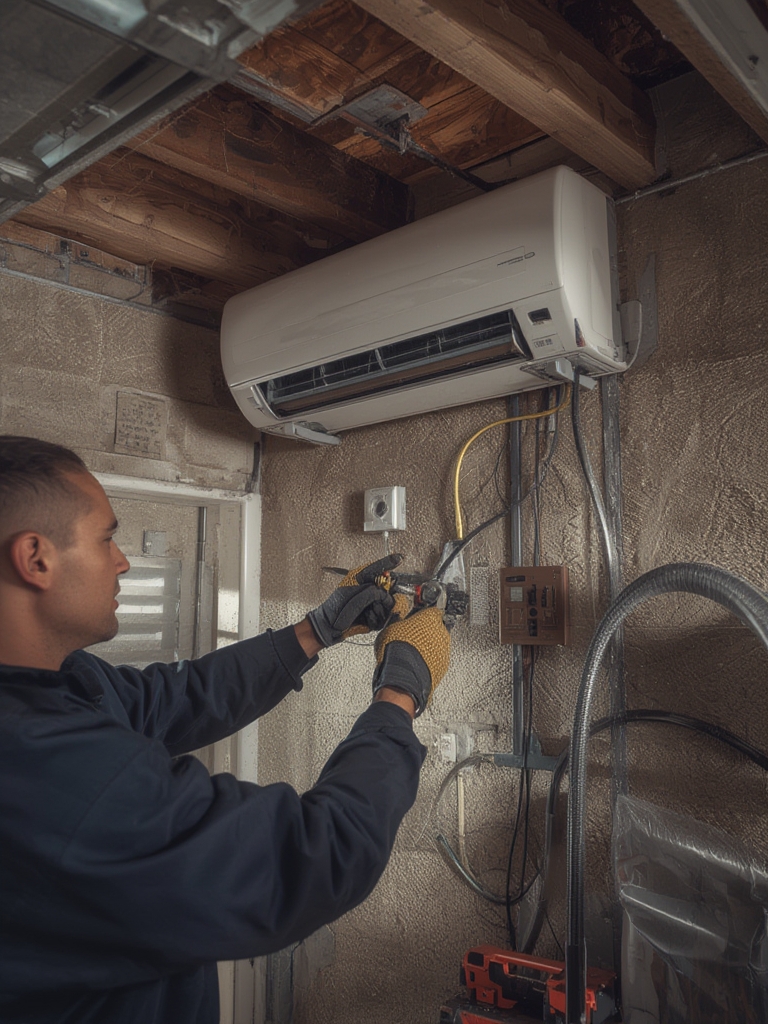
Throughout installation, plan out cable runs, condensate drainage, and place units away from direct sunlight or potential obstructions. Integrating your mini split with other home upgrades? Combining installation when running new electrical panel upgrades or EV charging stations can save you on repeat visits and labor costs.
For compact laundry spaces, aligning your mini split install with a ventless washer dryer can minimize climate control challenges.
Advanced Analysis & Common Pitfalls
Mini split heat pump installation offers game-changing comfort, but it’s not always smooth. Here’s what trips up most homeowners:
- Sizing mistakes: Undersized units will run constantly and never quite heat or cool the space, while oversized units short-cycle, wasting electricity and worsening humidity control. Use trusted sources like Della Home BTU tables for accurate planning.
- DIY installation risks: Many homeowners underestimate the difficulty—incorrect refrigerant handling, poor electrical work, and line set mistakes lead to leaks, poor operation, or even system failure. Nearly all major brands will void the warranty unless installed by a licensed technician. This is especially risky in a garage or ADU conversion where local permits and code compliance are strict.
- Hidden costs: Extra zones, longer line sets, or difficult wall penetrations (masonry, double walls) can drive costs upward. Multi-zone setups can run $12,000–$18,000 or more, especially in unfinished spaces or large conversions.
- Maintenance overlooked: Units need regular filter cleaning and periodic professional checkups. A neglected system loses efficiency fast and can shorten lifespan.
- Poor location: Outdoor unit in direct sun or without good air flow loses efficiency; indoor heads blocked by shelving or furniture underperform.
| Factor | Mini Split Heat Pump | Central AC |
|---|---|---|
| Initial Installation Cost | $2,500–$18,000+ (avg. $3,000–$8,000 for most homes) [source] |
$3,500–$8,000+ (ducted, average) |
| Efficiency & Utility Bills | Higher (no duct losses, ideal for zoning, lower electric bills) |
Lower due to duct loss and limited zoning |
| Maintenance Cost | Low, easy to clean heads, service every 1–2 years |
Moderate, duct cleaning, filter replacement, more points of failure |
| 10-Year ROI | Can be higher if zoned use and energy rebates apply |
Lower unless fully used |
| Incentives | Federal credits available | Varies by efficiency rating |
Details on costs and additional comparison at EnergySage and John Cipollone.
Looking to add year-round comfort to a garage home gym or basement living space? Consider thermal insulation and acoustic soundproofing panels before installing your mini split—this adds value and improves climate control stability.
Conclusion
Mini split heat pump installation delivers unmatched flexibility and energy efficiency when executed correctly—with professional installers and accurate sizing. Upfront costs, DIY temptation, and hidden install challenges can derail even well-planned projects. Take time to assess, size, and budget for your needs, and link upgrades like heat pump water heaters or garage conversions to save on labor and maximize your investment.
If you want smooth, code-compliant results, avoid DIY shortcuts and always work with licensed technicians for your mini split heat pump installation. Ready to upgrade your comfort and cut your energy bills? Request multiple professional quotes and see how modern ductless systems fit in your home today.
FAQ
How much does mini split heat pump installation really cost in 2024?
Most single-zone mini split installations run between $2,500 and $5,000, with multi-zone setups reaching $18,000 or more. Factors include equipment size, brand, zone count, labor, and permit costs. Federal credits can offset up to $2,000. For the latest price ranges, visit EnergySage and Della Home.
Can I install a mini split heat pump myself?
DIY installation is possible but not recommended. Manufacturer warranties almost always require professional installation. Handling refrigerant, electrical connections, and vacuuming lines without certification risks equipment damage, void warranties, and fails code. Hire a licensed pro to avoid major pitfalls.
What size mini split heat pump do I need for a garage?
Most single-car garages or workshops (150–400 sq. ft) will need a 6,000–9,000 BTU unit. Multi-room or oversized garages may require 12,000 BTU or more. Always add extra capacity for uninsulated or south-facing garages and consult detailed BTU charts from installer or manufacturer.
How does mini split heat pump installation compare to central AC?
Mini splits often cost less for small and medium-sized homes or zone upgrades, with higher efficiency and easier installation (no ducts). For whole-home systems, initial install costs can be higher, but ongoing utility savings and incentives often improve long-term return on investment.
What’s the most common mistake homeowners make with mini split installations?
Sizing errors and DIY attempts. Choosing the wrong BTU or number of zones leads to poor comfort or high electric bills. Skipping professional installation can void warranty and lead to expensive repairs. Always prioritize accurate sizing and licensed work for best results.