

Disclosure: As an Amazon Associate, we earn from qualifying purchases. This means we may receive a small commission at no extra cost to you if you click our links.
Electrical panel upgrade cost is often one of the biggest, least expected expenses facing homeowners—especially if you want to add high-powered appliances, install an EV charger, or your house still runs on an aging 100-amp panel. Understanding exactly what drives these costs and how to plan for your own upgrade is the best way to avoid headaches and expensive surprises.
Key Takeaways
- Electrical panel upgrade cost in 2024 ranges from $1,300 to $4,000 nationwide, with higher costs in older homes or regions with strict codes and labor costs.
- Permit fees, rewiring, and modern safety code upgrades can substantially raise the total price—especially if you want to support an EV charger or solar panels.
- Financing options, project timeline expectations, and post-upgrade maintenance are rarely explained by top guides, but make a big difference for homeowners.
What Does an Electrical Panel Upgrade Really Cost?
Upgrading your electrical panel is often necessary for safety, insurance requirements, or to support new appliances like heat pump water heaters or home EV chargers. The electrical panel upgrade cost in 2024 typically falls between $1,300 and $4,000 for a standard 100- to 200-amp swap, but your actual cost can vary widely based on region, your home’s age, and local conditions.
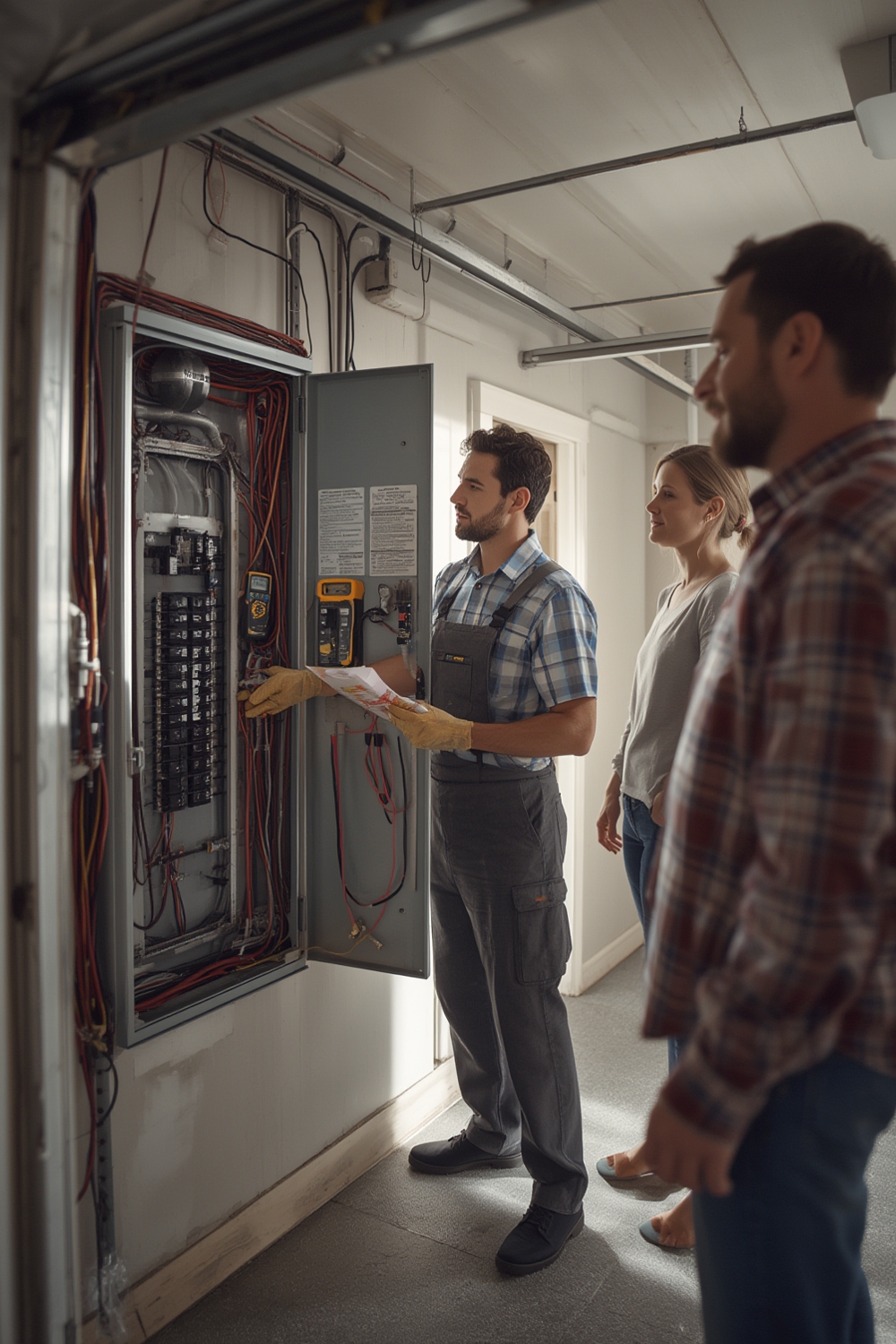
Here’s a snapshot of national and regional averages:
- National Average (2024-2025): $1,300 – $4,000 (source, source)
- Northeast: $2,500 – $4,000 (basic), up to $8,000 – $30,000 (full service)
- Midwest: $1,500 – $3,000 (basic), $5,000 – $20,000 (full)
- South: $1,000 – $2,500 (basic), $4,000 – $18,000 (full)
- West Coast: $2,000 – $4,000 (basic), $7,000 – $25,000 (full)
If you live in New Jersey or Southern California, expect rates at the higher end. For instance, in Orange County, a 100-amp upgrade may run $4,000–$5,000 while a 200-amp can cost $5,000–$6,000 (source). Full service upgrades or those involving relocation, extensive rewiring, or smart panel integration can push totals even higher.
Why does it matter? If you’re considering a garage ADU conversion, want to install a home EV charger, or need to modernize your wiring, panel upgrades are often required—and knowing the cost drivers means fewer surprises.
Step-by-Step Guide: Budgeting and Planning Your Upgrade
When budgeting for an electrical panel upgrade, factor in much more than the sticker price of the panel. Here’s a stepwise breakdown of what every homeowner should do:
- Assess your home’s current panel and load demand.
If your home was built before 1960 or still has a 60–100 amp panel, upgrade is likely essential for safety and modern use. - Estimate base panel upgrade costs.
Expect $1,300–$3,000 nationally for a standard 100 to 200 amp panel including Permit fees ($75–$300), basic labor, and panel hardware (~$200–$500). - Consider wiring, code, and relocation costs.
Older (pre-1960) homes may require full rewiring, which can cost $10,000–$30,000 on top of panel work (source). - Get estimates for AFCI/GFCI breakers upgrades.
Code now requires $130–$180 per circuit for AFCI/GFCI breakers in key rooms. - Plan for permit, inspection, and potential relocation fees.
If you move the panel for safety, add $1,500–$4,000. - Ask your electrician about integrating EV chargers or solar panels.
Upgrades may require panel rating increases or a smart panel for load management.
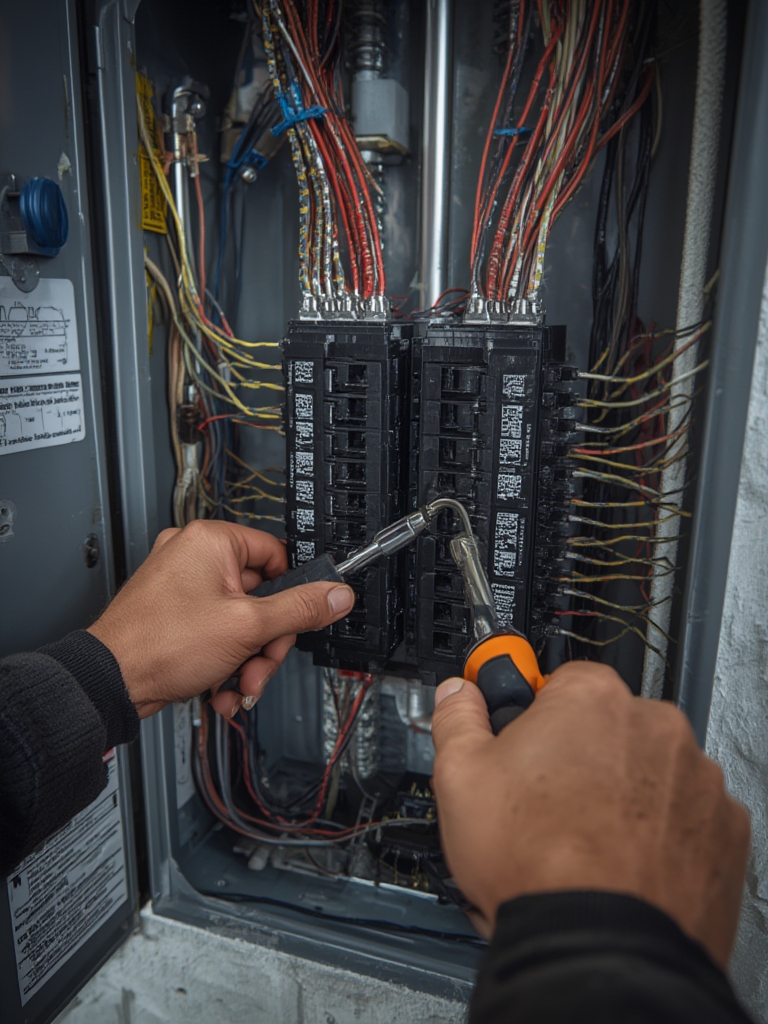
Don’t forget: timelines can be longer than expected. Standard installs take 4–8 hours—but utility company coordination, inspections, and power company work can drag the process out for months, especially on the West Coast or Northeast where backlogs are common. If you’re converting your garage for a gym or ADU, or installing a Level 2 EV charger, discuss the full timeline up front.
For further ideas on saving space and maximizing utility in your home, check how a ventless washer dryer or heat pump water heater upgrade could further future-proof your space.
Advanced Analysis & Common Pitfalls When Upgrading
While most guides gloss over the downsides, here are the biggest pitfalls and hidden costs you’re likely to face with an electrical panel upgrade:
| Hidden Cost/Pitfall | What to Expect | How to Minimize |
|---|---|---|
| Permit, inspection, and city utility delays | Permits add $75–$300; multi-stage city sign-off can stall final hookup for weeks or months. | Request clear city and utility timelines before work starts. |
| Older home rewiring | Pre-1960 houses may need total rewiring ($10,000–$30,000), not just panel swap. | Have electrician check for knob-and-tube before quoting project. |
| AFCI/GFCI breaker requirements | New code can add $130–$180 per circuit, dramatically increasing price above basic estimate. | Count how many circuits need new breakers to budget accurately. |
| Panel relocation or accessibility upgrades | Moving a panel from inside to out, or for solar/EV integration, can cost $1,500–$4,000. | Bundle with other upgrades (e.g., solar, generator) to reduce long-term costs. |
| Price jump in high-demand regions | Northeast, California, and urban New Jersey see up to 60% higher costs. | Get multiple quotes and consider off-peak scheduling if possible. |
| Insurance or load requirement changes | Your insurance company may require a 200-amp panel—without this, coverage lapses. | Ask your insurer if recent code updates impact your home before starting the upgrade. |
| Financing & payment options | Most guides don’t mention it, but upgrades can be financed or split into payments. | Ask electricians about credit, rebates, or payment plans—sometimes offered via state electrification programs. |
If you plan to make your home more efficient—like adding soundproofing panels or switching to a modern SPC flooring—coordinate electrical work first to avoid double labor costs.
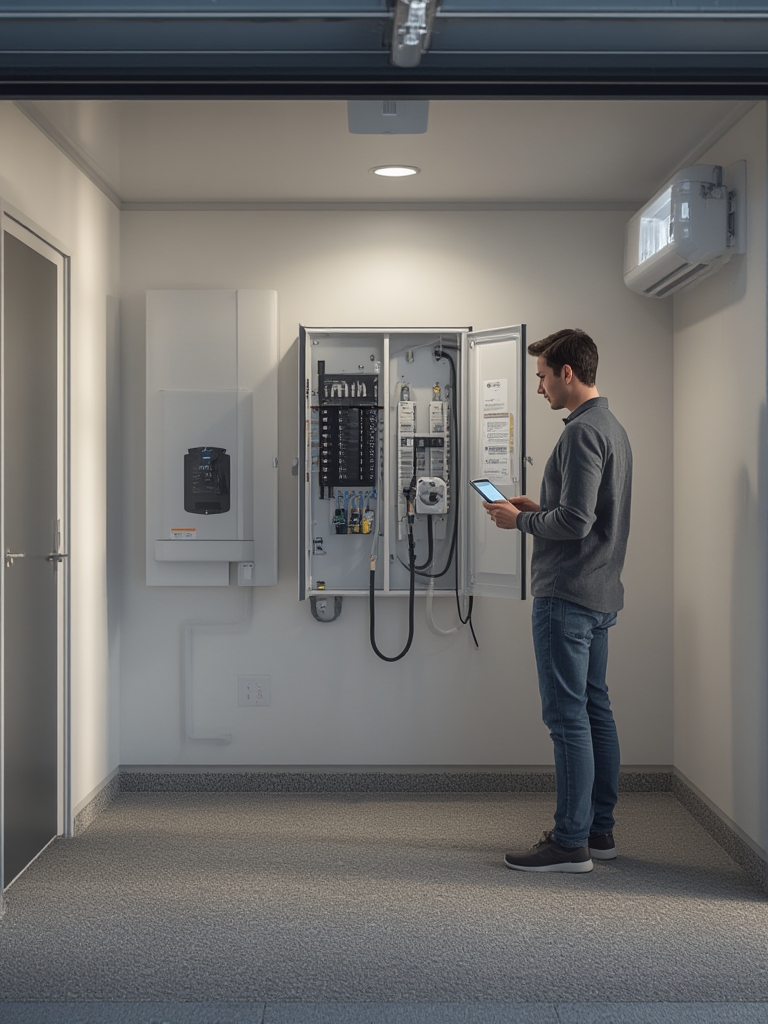
Trends also show 2026 upgrades will align with today’s costs—electrification (EV, solar, heat pumps) and stricter safety codes will push more homes to full-scale rewiring or smart panel upgrades. Budget carefully, and always demand a clear, itemized bid.
Conclusion & Next Steps
The bottom line is: electrical panel upgrade cost in 2024–2026 could be as low as $1,300 for a simple panel replacement—or soar past $25,000 in older or code-heavy regions. Whether you are upgrading for safety, aiming for an EV-ready home, or planning future-proof renovations, knowing what drives these costs helps you budget—while avoiding delays and hidden fees. Take the first step by reviewing your own panel and requesting multiple, detailed quotes from licensed professionals. Don’t hesitate to ask about financing and demand realistic project timelines. Your safety—and your budget—will thank you.
Frequently Asked Questions
How much does a panel upgrade cost for a typical 1960–2000 home?
Expect $3,000–$5,000, due to moderate rewiring and updated code requirements. Exact costs vary by region and utility requirements.
Can I finance an electrical panel upgrade?
Yes. Some electricians and regional programs offer loans, rebates, or payment plans—just be sure to ask when collecting bids.
What causes hidden costs in electrical panel replacement?
Hidden costs often include permit fees, code upgrades, required AFCI/GFCI breakers, panel relocation, and extensive rewiring for older homes.
How long does a panel upgrade take?
The actual installation may take as little as 4–8 hours, but scheduling and inspections can add weeks or months, especially if utility work is involved.
Should I upgrade to a 200-amp panel for an EV charger?
Yes. Most modern EV chargers require a dedicated 40–50 amp circuit, which often exceeds the capacity of a 100-amp panel. A 200-amp upgrade is usually necessary.
—