

Disclosure: As an Amazon Associate, we earn from qualifying purchases. This means we may receive a small commission at no extra cost to you if you click our links.
An EV charger home installation is rapidly becoming an essential upgrade for homeowners seeking fast, reliable power for their electric vehicles. However, even a seemingly straightforward setup can present challenges, as confusing pricing, local permitting requirements, and unexpected electrical work often catch property owners off guard.
Key Takeaways
- Most US homeowners spend approximately $1,600 on a complete setup—which includes the hardware, such as the 40-Amp JuiceBox Smart Charger, and professional installation—though total costs can range from $800 to $3,200 due to panel upgrades and permit fees.
- Common setbacks include a shortage of qualified electricians, permit approval delays, and surprise expenses related to wiring or electrical panel upgrades.
- Choosing an experienced electrician and understanding local permit requirements are crucial steps to avoid timeline delays and hidden costs.
What Is a Home EV Charging Station & Why Does It Matter?
Installing a home EV charger involves adding a dedicated, high-voltage charging unit to your property, allowing you to charge your vehicle significantly faster than a standard wall outlet. This upgrade offers unparalleled convenience, boosts your property’s resale value, and prepares your home for the broader transition toward electric mobility.
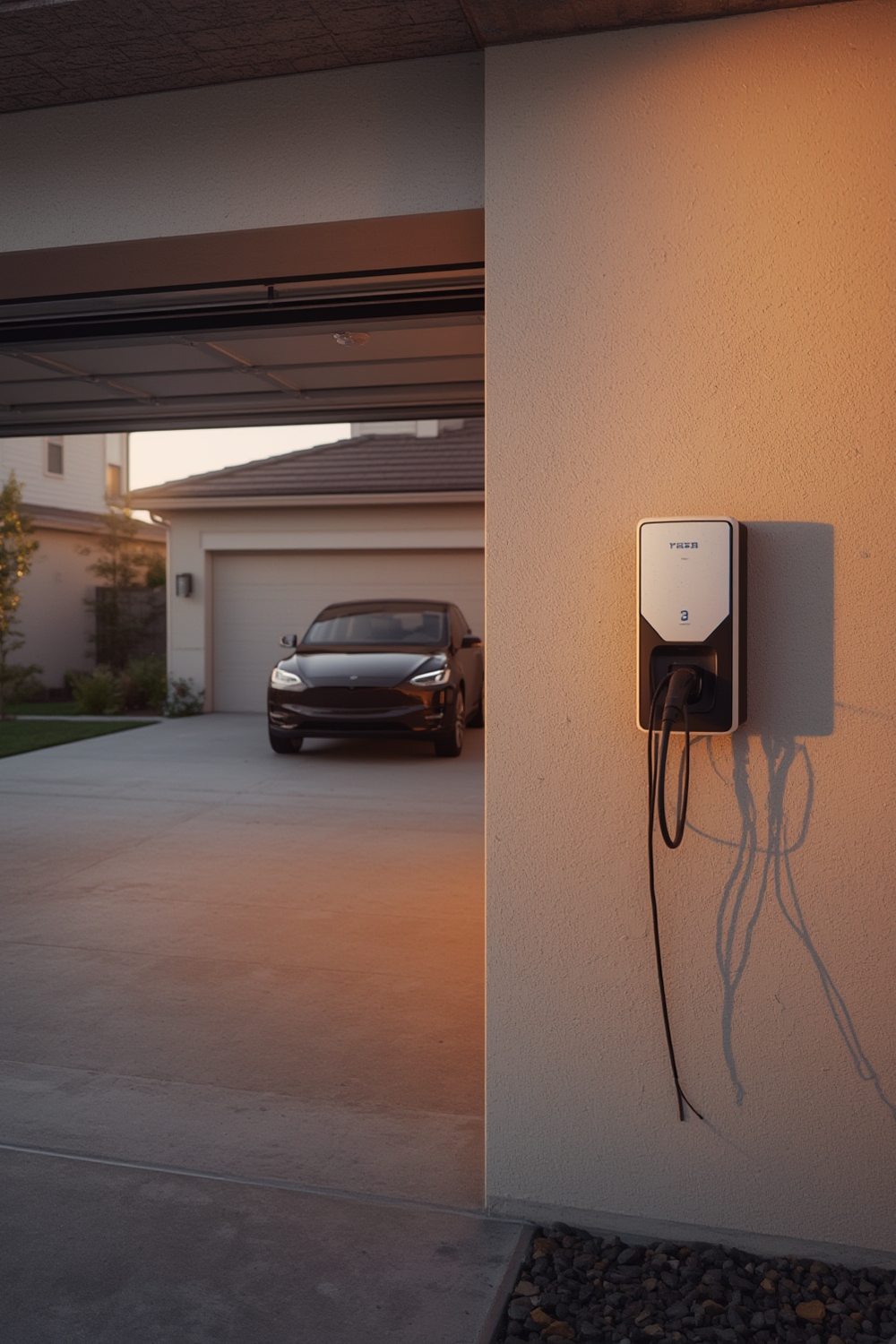
High-powered models, such as the 48-Amp ChargePoint Home Flex, deliver 16 to 80 amps via a dedicated 240V circuit, providing 15 to 60 miles of range per hour of charging. These units are necessary for daily drivers who require reliable overnight charging and prefer to avoid the unpredictable wait times and costs of public charging stations.
While the process sounds simple, property owners frequently encounter unexpected expenses or permitting delays, particularly in older homes or high-demand markets. Electrical capacity checks and city codes play a major role, and skipping these steps can jeopardize safety, insurance coverage, and property value.
Many homeowners factor in a high-power EV charger alongside other smart home upgrades to ensure their property is fully modernized and future-ready.
Step-By-Step Guide: How to Install a Home EV Charging System
Follow these structured steps to ensure your installation is safe, code-compliant, and efficient.
- Choose Your Charger Type & Location
- Most users opt for faster, 240V equipment. Consider investing in a top-rated smart connected EV charger. Select a location based on your daily parking habits and the shortest, safest wiring route to the electrical panel.
- Common plug options include a heavy-duty NEMA 14-50 receptacle kit for portable units, or a hardwired connection for permanent installations.
- Assess Your Electrical Panel
- Verify that your panel has sufficient spare capacity to support a high-amp circuit. Standard panels must accommodate at least 40 to 80 additional amps; if not, a main panel upgrade may be necessary (typically ranging from $1,500 to $4,000).
- Older residences and apartment complexes frequently require upgrades. Detached structures might also necessitate new subpanels or extensive conduit runs.
- Acquire Permits & Schedule an Inspection
- The majority of jurisdictions require an electrical permit. Submit your plans, pay the associated fees (usually $50 to $200), and schedule a formal inspection before operating the equipment.
- In highly populated cities, expect permit review delays of one to two weeks and additional documentation, especially if you are combining the project with renovations like fluted wall panels.
- Hire a Licensed Electrician with Specialized Experience
- Confirm that your contractor is fully licensed, bonded, and insured. Direct experience with electric vehicle supply equipment is crucial for complex wiring scenarios.
- Request references and clarify whether the final quote covers permit processing and inspection scheduling.
- Installation Day
- A standard installation typically takes four to eight hours. However, projects involving trenching, long wire runs, or panel upgrades may span multiple days.
- Thoroughly test the unit’s functionality and ensure the municipal inspector signs off before regular use. Retain all documentation for insurance purposes and future property appraisals.
- Register Your Equipment & Claim Incentives
- Leading manufacturers frequently offer extended warranties upon equipment registration.
- Investigate local or state incentives and utility rebates that can significantly offset the initial hardware and labor costs.
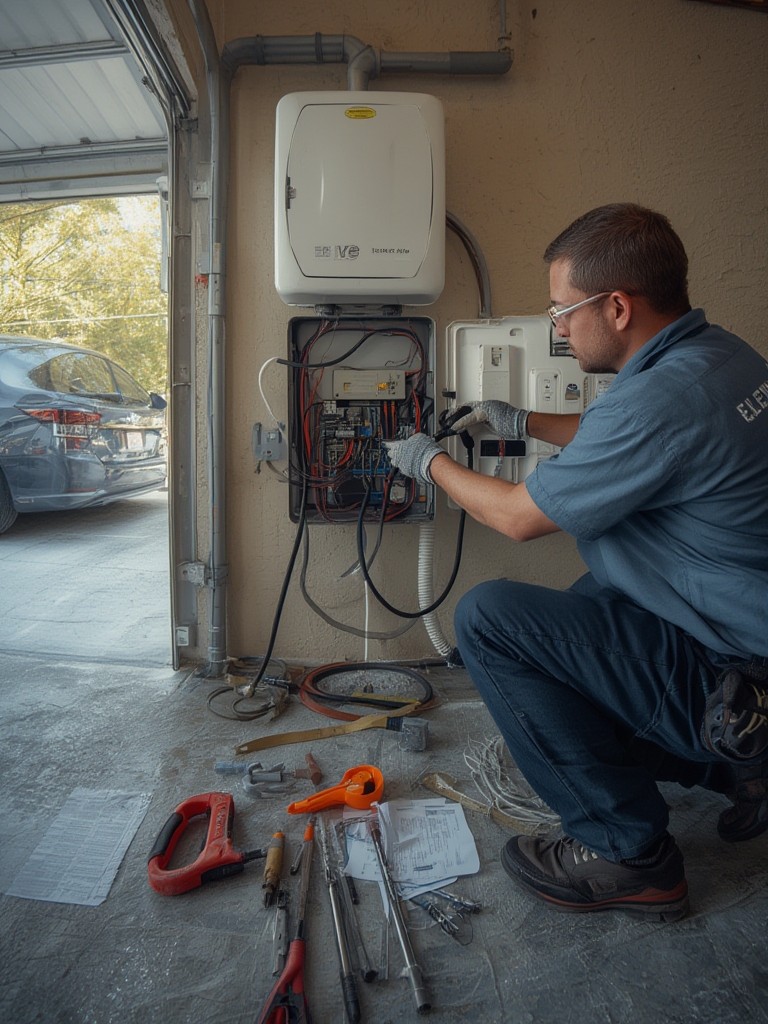
Advanced Analysis: Real Costs, Permit Pitfalls & Panel Upgrade Surprises
While the process outlined above is straightforward, homeowners frequently encounter hidden fees, complex permitting rules, and rising labor costs.
| Cost Breakdown | Typical Range | Key Triggers for Higher Costs |
|---|---|---|
| Charger Equipment | $300–$2,000 | Smart features, multi-EV, WiFi/scheduling |
| Basic Labor | $300–$800 | Long wire runs, conduit needs, detached garage |
| Panel Upgrade | $1,500–$4,000 | Old homes, additional appliances, main service limit reached |
| Permits/Inspections | $50–$200 | Complex local codes, resubmission after failed inspection |
| Hidden Add-Ons | $10–$25/ft (trenching), $200–$500 (weatherproof outdoor mounting pad), $100–$200 (50-Amp GFCI breaker) | Detached structures, exposed wires, outdoor weatherproofing |
Below are the primary hurdles property owners face during implementation:
- Underestimating panel capacity: A common issue arises when the existing electrical panel cannot support a 32-to-80-amp circuit. This directly leads to sudden price increases as a panel upgrade becomes mandatory. If you are planning other energy-intensive projects (such as extensive soundproofing system upgrades that require specialized ventilation), it is highly advised to evaluate your future electrical needs simultaneously. Reference.
- Permit and inspector delays: Securing electrical permit approvals can add significant time to the project. Failing an inspection due to overlooked code details leads to expensive rescheduling.
- Hidden costs from extended wiring runs: Positioning the charger far from the main panel increases material costs and may require external trenching or the installation of a subpanel.
- Ambiguous contractor scope: Certain electricians provide quotes for installation labor only, leaving the property owner responsible for securing permits and navigating utility rebates.
- Inadequate documentation: Failing to retain permit approvals, inspection sheets, or warranty details can void insurance claims or complicate future real estate transactions.
For individuals residing in apartments, townhomes, or properties with detached garages, expect additional complexities regarding power routing, mounting selections, and securing approvals from homeowners associations or landlords. Real estate owners outfitting multi-family properties often face escalated costs due to complex wiring distance requirements and strict municipal zoning codes.
To review detailed cost breakdowns and recent project data for your region, consult resources such as MyHomeQuoter, EcoFlow, and federal DOT project benchmarks.
The Ultimate Garage Makeover
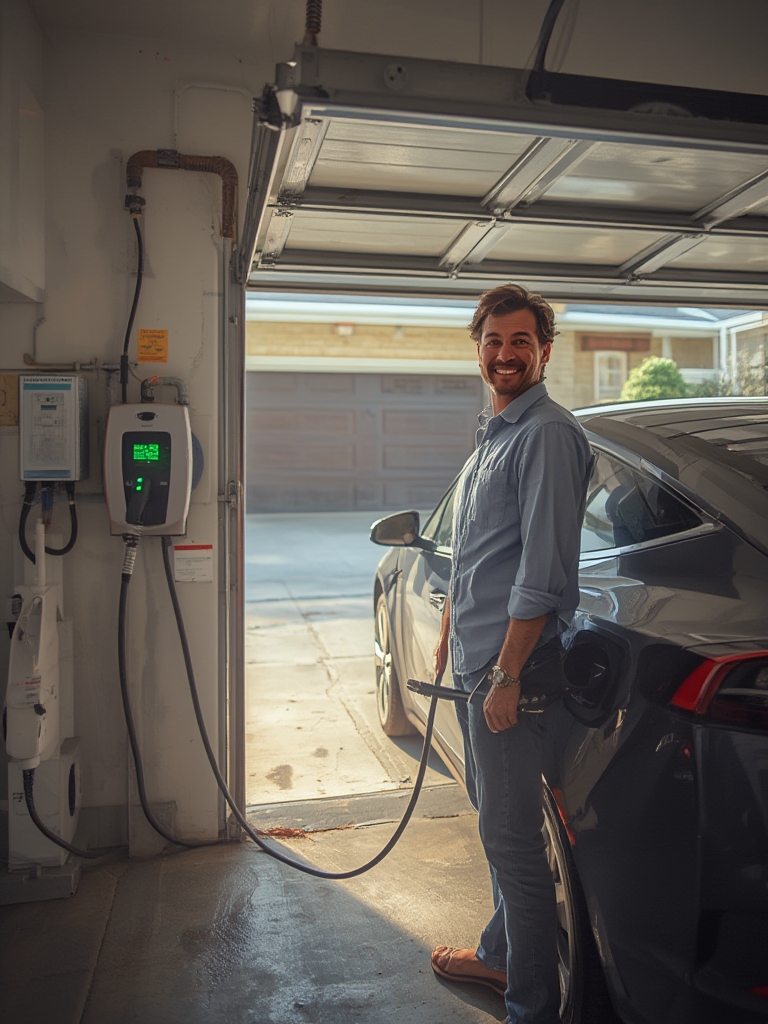
When homeowners upgrade their electrical panel for an EV charger, it presents the perfect opportunity to revamp the entire garage. Since significant electrical work is already underway, maximizing the functionality of the space is a highly efficient move. Many homeowners take this time to tackle ADU garage conversions, turning an underutilized area into a fully habitable living space. Upgrading the flooring is a natural next step—installing durable SPC flooring can transform a bare concrete garage into a polished, professional environment. Additionally, running high-capacity electrical lines allows for the integration of luxury and utility features effortlessly. You can set up a compact, efficient laundry station complete with a ventless washer dryer, or even design a dedicated wellness corner by installing an infrared sauna room. Combining these upgrades not only saves on separate electrical service calls but substantially increases the overall value of your home.
Conclusion: Maximizing the Value of Your Setup
Property owners who strategically plan their EV charger home installation enjoy reliable, future-proof access to vehicle charging while avoiding common setbacks. Securing multiple bids from licensed electricians, preparing all required permitting paperwork, and accounting for potential panel upgrades are essential steps. By choosing high-quality equipment from reputable brands and carefully documenting the installation process, you protect both your property and your investment.
You can also explore additional home improvement guides, such as storage cabinet upgrades, to further optimize your living space.
Ready to integrate high-speed charging into your home? Begin by requesting detailed quotes from local professionals to ensure your installation meets the highest safety and compliance standards. Should you have questions about unique project challenges, consult local building authorities or review our comprehensive guides for actionable property upgrade strategies.
Frequently Asked Questions
How much does it truly cost to install a home EV charging system?
Most homeowners pay approximately $1,600 for a standard installation, which encompasses the equipment, labor, and basic permits. However, overall expenses can range from $800 to $3,200 if panel upgrades, extensive trenching, or complex outdoor work are required. See detailed breakdowns here.
Are permits mandatory for this type of installation?
Yes. The vast majority of municipal jurisdictions mandate an electrical permit for any high-voltage charging installation. Bypassing this requirement poses significant risks to insurance coverage and complicates future property sales. Review times typically span one to two weeks, with permit costs averaging between $50 and $200.
Can an existing 240V outlet be utilized?
If a dedicated 240V outlet, such as a NEMA 14-50 or 6-50, is already present and your electrical panel has sufficient capacity, a straightforward plug-in installation is feasible. Otherwise, custom wiring installations or an electrical panel upgrade will be necessary to accommodate high-capacity charging units.
What is the primary factor that causes installation delays and increased costs?
A frequent error is underestimating the existing electrical panel’s load capacity or overlooking the distance required for wiring runs. This results in unanticipated expenses when contractors identify the need for substantial electrical system upgrades. Securing a formal load calculation prior to initiating work is strongly recommended.
What professional qualifications are necessary for the installer?
It is imperative to contract exclusively with a licensed, bonded, and insured electrician who possesses verifiable experience in electric vehicle supply equipment. Always request documentation of their credentials. Professional labor rates typically range from $300 to $1,200, excluding the costs of substantial electrical panel overhauls.