

Disclosure: As an Amazon Associate, we earn from qualifying purchases. This means we may receive a small commission at no extra cost to you if you click our links.
Garage conversion home gym projects let you create a private fitness space without building an addition or sacrificing living areas. But turning a bare garage into a true gym demands strategic choices, a realistic budget, and clear expectations—this guide covers what actually works in 2024.
Key Takeaways
- Garage conversion home gym projects typically cost $2,150–$13,750 for a practical setup in 2024; most homeowners spend around $7,750.
- Smart flooring, insulation, and layout choices matter more than expensive equipment for long-term use and satisfaction.
- Poor planning can lead to storage headaches, wasted money, and regret—understand common pitfalls before you start.
What Is a Garage Conversion Home Gym (And Why Choose One)?
A garage conversion home gym means transforming an existing garage—usually unfinished—into a functional fitness space. You insulate, add gym-grade flooring, install electric, and bring in equipment like racks, benches, and cardio machines. Some homeowners turn attached or detached garages into specialized spaces dedicated to weightlifting, family exercise, or even activities like basketball.
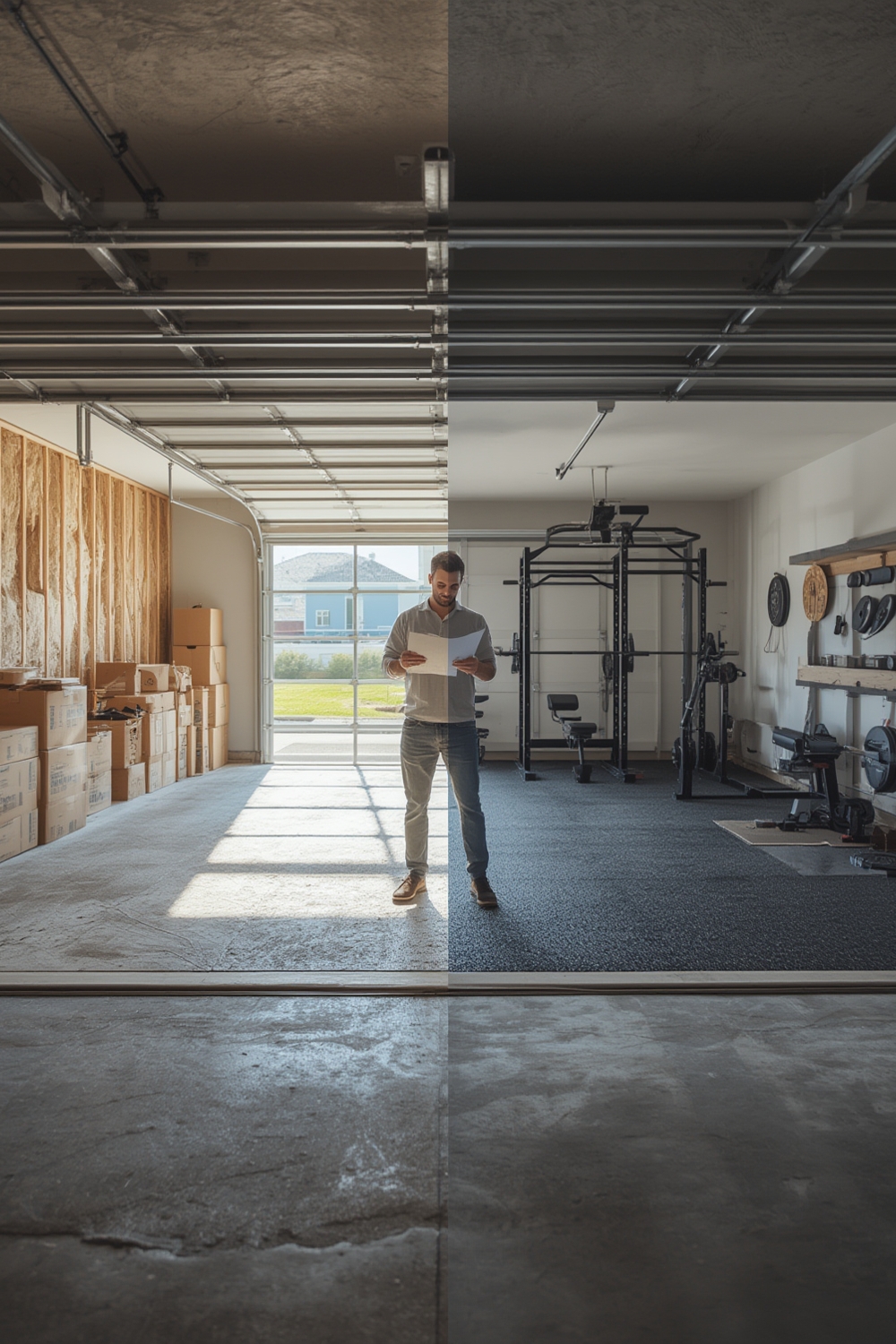
This approach is increasingly popular as it usually costs less than a new addition, doesn’t cut into rooms you already use, and offers year-round access. Costs in 2024 average from $2,150 up to $13,750 (excluding premium features or luxury builds), and you have total flexibility over layout and equipment. Unlike a commercial gym membership, you can customize your setup and never wait for a machine.
If resale value is a consideration, well-done conversions—especially in parts of the U.S. with mild climates or where home gyms add value—often return a significant share of your investment. For ADU-focused value-boosting ideas, see this proven ADU garage conversion guide.
How to Convert a Garage Into a Home Gym: Step by Step
Here’s a straightforward process to transform a garage into a functional gym. Use this checklist whether you want a budget setup or a more polished, insulated room.
- Clear the space and remove clutter. Move out storage bins, old tools, and anything that could limit your floor plan or ceiling height.
- Inspect for moisture, pests, and leaks. Fixing cracks and sealing before building is essential, especially if your garage sees rain or humidity.
- Decide on insulation and climate control. Insulation makes the space usable year-round, especially in cold/very hot regions. Budget $7,000–$25,000+ for full insulation, refinishing, heat, or AC as needed. Some homeowners add basic moisture barriers or use space heaters and portable ACs to control costs. Large-scale HVAC can add $2,000–$10,000. Source.
- Install appropriate flooring. Expect costs from $200–$4,000 ($4–$17 per square foot). rubber mats are the default for durability—protect your subfloor from dropped weights and make cleanup easy. See how flooring compares to alternatives in this SPC flooring cost and installation guide.
- Plan electrical and lighting. Add outlets for cardio equipment, free-standing lights, fans, or even a mini sound system. Hire a licensed electrician for safety.
- Design your equipment layout. Choose a rack, adjustable bench, free weights, and modular cardio gear. Prioritize multi-function equipment and storage—power racks, kettlebells, and adjustable dumbbells maximize results with minimal footprint. For large families, consider a basketball hoop or open area for multi-use (as seen in this garage gym walkthrough).
- Add storage and wall racks. Pegboard, wall-mount racks, and freestanding cabinets like the Sterilite 4-Shelf Cabinet keep things neat and prevent tripping hazards.
- Bring in equipment and test workflow. Start with essentials, then add specialty gear later. Protect floors with mats under heavy items.
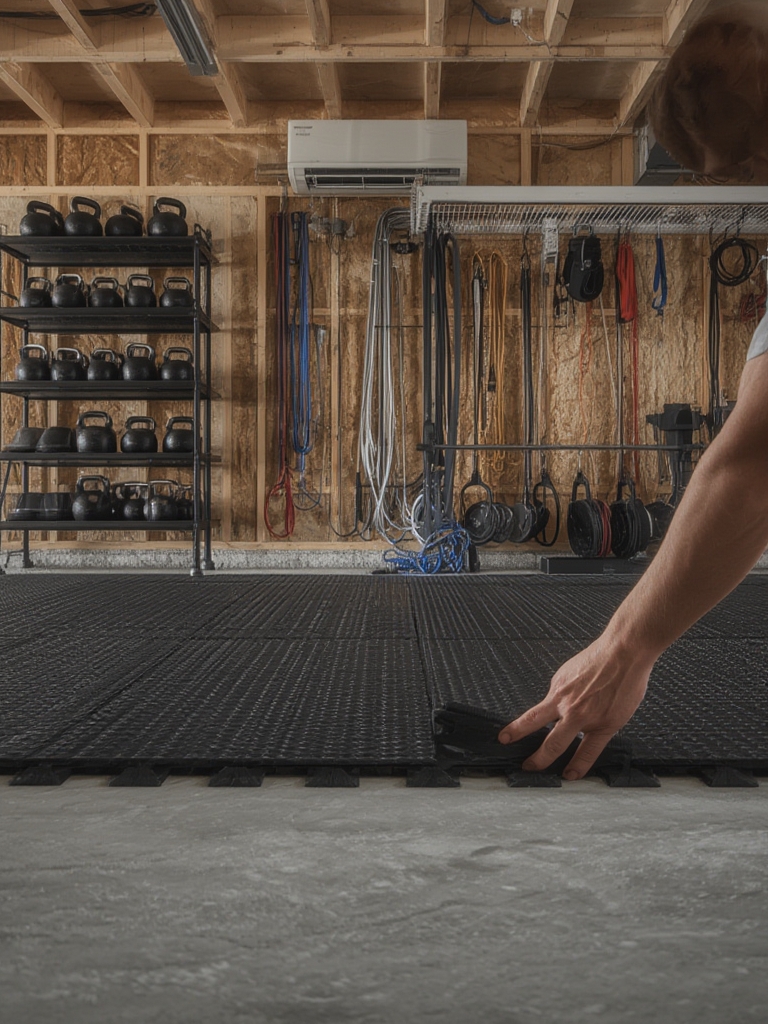
Want to take it up a notch? Add soundproofing panels to control noise and echo—see the home soundproofing panel guide for ideas that blend with garage environments.
For humid regions, add a high-capacity dehumidifier and weather-resistant storage like the Sterilite 4-Shelf Cabinet.
Advanced Analysis & Common Pitfalls
Even with the best intentions and research, some challenges get overlooked in the garage conversion home gym process. Here’s what trips up homeowners most often:
- Cost Overruns: While a basic conversion can be under $3,000, most complete setups end up between $7,000 and $13,750—and full remodels with HVAC or premium finishes may reach $20,000+. See cost breakdowns here.
- Poor Insulation/Climate Control: Many underestimate the need for full insulation and heating/cooling. In cold regions or hot summers, a garage can quickly become unusable—especially if you skip HVAC.
- Inadequate Storage and Workflow: Without proper layout (wall racks, overhead storage), gear clutters the space and workouts suffer. And heavy equipment on unprotected floors leads to cracks or moisture issues. Ventless washer dryers may offer flexible laundry solutions if you lose washers to your new gym.
- User Regret: Some wish they spent less on startup or bought less equipment—especially if their fitness focus changes or space is reclaimed for storage later. Equipment resale is tricky, and moving a full gym isn’t simple (user estimate).
- Not Considering Structure: Old or thin slabs may crack under the weight of racks and plates. Always check load ratings—this step is sometimes skipped entirely in DIY conversions.
| Garage Gym Element | 2024 Cost Range | Common Pitfall |
|---|---|---|
| Flooring | $200–$4,000 | Cheap mats lead to damaged subfloors |
| Insulation/Remodel | $7,000–$25,000+ | Under-budgeting for climate control |
| Equipment (basic–advanced) | $500–$5,000+ | Equipment that’s too large or single-purpose |
| Lighting/Electric | $300–$2,500 | Underpowered circuits, poor lighting |
| Storage/Shelving | $100–$800 | No wall racks—clutter piles up fast |
Another regret not discussed by competitors: lack of flexibility. Gear and heavy wall racks limit future use (e.g., resale or reconverting to parking). Always consider if you’ll want to reclaim the garage later.
Accessible design matters: Plan open walkways, select equipment with a compact footprint, and maximize vertical storage. For more on organizing multi-purpose home upgrades, review the multifunctional kitchen island guide.
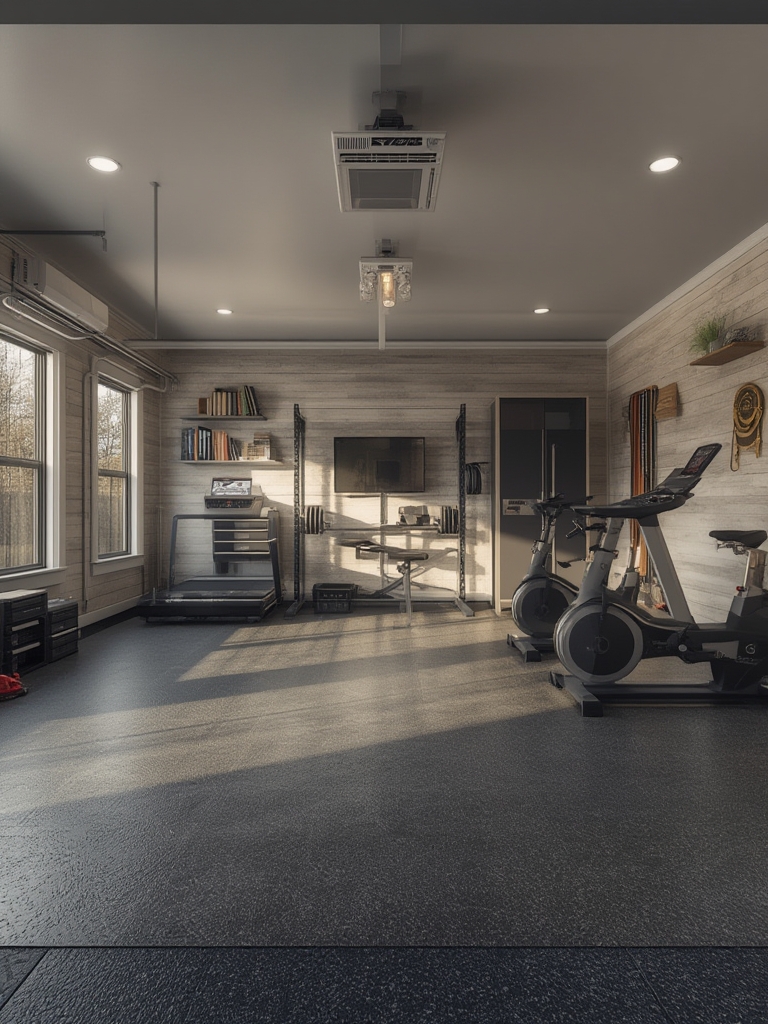
If you anticipate humidity, check out heat pump water heaters—they double as climate aids in some setups. And for a recovery edge, see if an infrared sauna room fits into your project plan.
Conclusion
Turning a basic garage into a high-performing gym is achievable and delivers huge convenience—if you plan for climate, flooring, and space. Most regrets come from under-building insulation, overbuying single-use gear, or ignoring storage. Think long-term, keep flexibility in mind, and consider resale or family needs. With a realistic budget and careful choices, your garage conversion home gym can outlast and outperform any commercial setup.
Ready to reclaim your garage? Start with one essential upgrade from this list and build your ideal gym step by step. For maximum space and comfort, review our full SPC flooring installation guide or explore the best ways to reduce noise in home gyms before you get started.
FAQ
How much does it cost to convert a garage into a home gym in 2024?
Homeowners typically pay $2,150–$13,750 for a full garage gym conversion, with most projects around $7,750. These prices factor in flooring, insulation, storage, and equipment but can go much higher with insulation or premium HVAC. (Source).
What type of flooring is best for a garage gym?
Heavy-duty rubber mats are the standard for protecting your subfloor, offering good grip and impact resistance. Costs range from $4–$17 per sq ft. For specialty looks, check out modern SPC flooring options as well.
Do I need to insulate my garage when converting it to a gym?
Insulation is strongly recommended if you plan to use your gym year-round or live in a climate with temperature swings. Expect $7,000–$25,000+ for comprehensive insulation, heat, or AC (full remodel), but smaller upgrades can control costs if your budget is tight.
What are some smart storage options for garage gyms?
Mix wall-mounted racks, pegboards, and heavy-duty freestanding cabinets such as the Sterilite 4-Shelf Cabinet to store weights, bands, and accessories. Overhead racks free up floor space for exercise.
What’s a common regret after building a garage gym?
Many homeowners regret buying too much gear at once, or investing heavily without planning for climate or possible future needs. Modular layouts and quality flooring usually deliver better value than big single-use machines.
—


[…] consider modular furniture like the Sterilite 4 Shelf Cabinet or explore flexible designs like a garage conversion home gym setup for versatile use. If your plan includes a kitchenette or bathroom, a heat pump water heater […]