

Disclosure: As an Amazon Associate, we earn from qualifying purchases. This means we may receive a small commission at no extra cost to you if you click our links.
Hidden charging station furniture gives you seamless charging capabilities without the visual clutter of cables or outlets. As portable device use surges in modern living spaces, smart furniture with integrated wireless and USB power is quickly becoming not just a trend, but a necessity—and there are a few hard truths and practical realities buyers must know before investing.
Key Takeaways
- The market for integrated charging furniture is growing rapidly on the back of wireless charging technologies and smart home adoption.
- Practical challenges—including high upfront cost, installation, and compatibility—are often overlooked until after purchase or setup.
- Being informed about technical specs, design concerns, and safety/warranty issues is essential to choose and install hidden charging station furniture confidently.
What Is Hidden Charging Station Furniture? Why Is It Gaining Traction?
Hidden charging station furniture refers to tables, nightstands, desks, and other furnishings designed with built-in power sources—wireless pads, USB ports, or AC outlets—that are discretely integrated to maintain a clean, cable-free look. These pieces use smart tech like Qi or PMA wireless standards and are tailored for modern devices, including smartphones, tablets, and wearables.
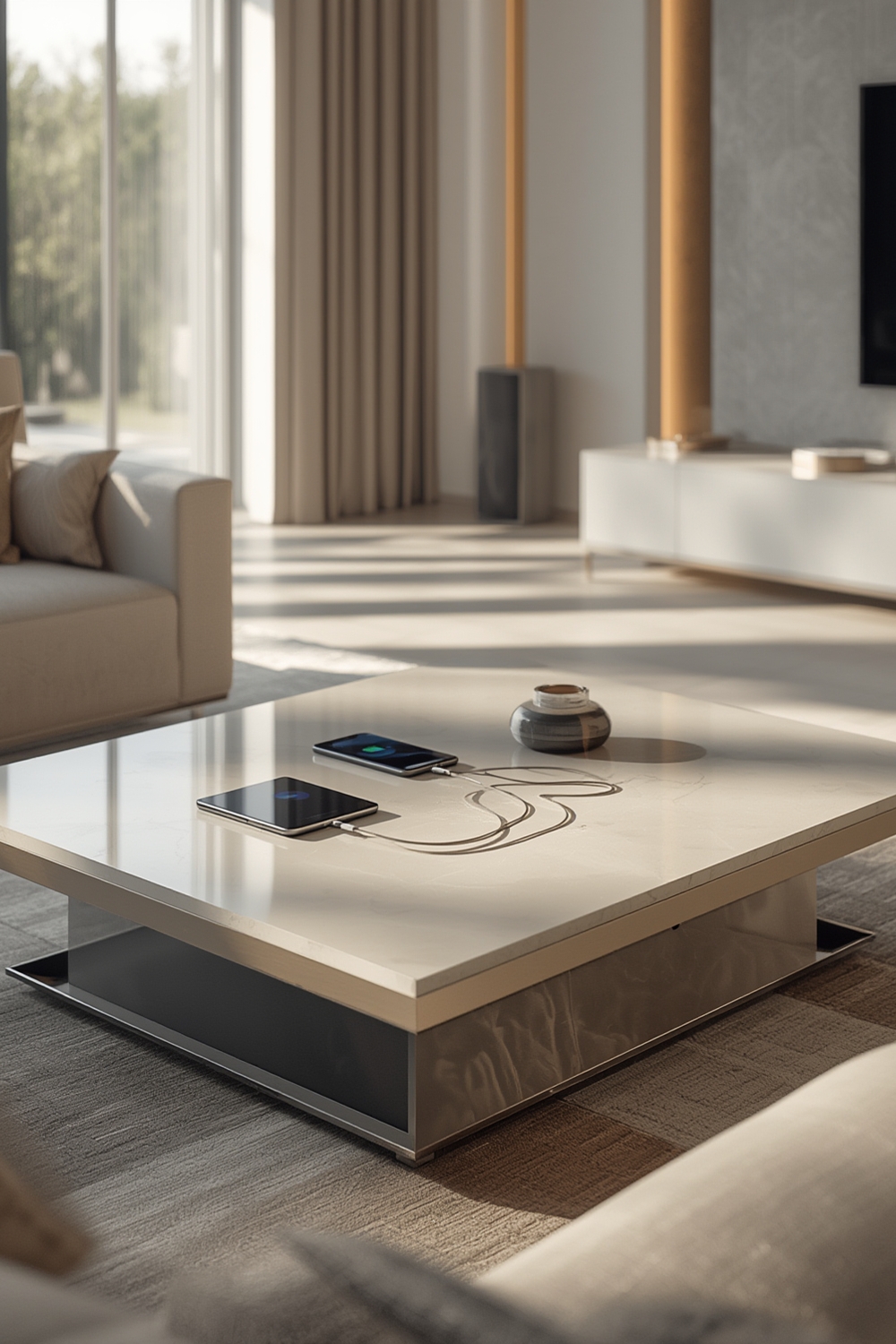
Why is this booming? The global embedded wireless charger furniture market hit USD 1.42 billion in 2024 and is projected to more than quadruple by 2033 at a CAGR of 17.3%—with Asia Pacific, North America, and Europe as leading regions. This growth is driven by:
- The demand for clutter-free, ultra-convenient charging zones.
- An explosion of wireless-capable phones, tablets, and wearables.
- Rapid innovation in induction charging and partnerships between tech giants and furniture companies.
As connected living picks up pace, furniture with charging capabilities is quickly transforming from a luxury add-on to an everyday must-have—especially for apartment dwellers, home offices, and anyone tired of tangled cords.
How to Add Hidden Charging to Your Furniture: Step-by-Step Guide
Adding hidden charging solutions to your home doesn’t have to mean a full remodel. Whether buying new or retrofitting an existing piece, here’s how to do it effectively:
- Assess Your Charging Needs
- List how many and what types of devices you charge daily.
- Choose between wireless-only, USB-A, USB-C outlets, or hybrid options.
- Pick the Right Furniture Style
- Pre-built: Buy nightstands, coffee tables, or desks with integrated wireless/Qi pads, like those with Bluetooth speakers or IoT controls.
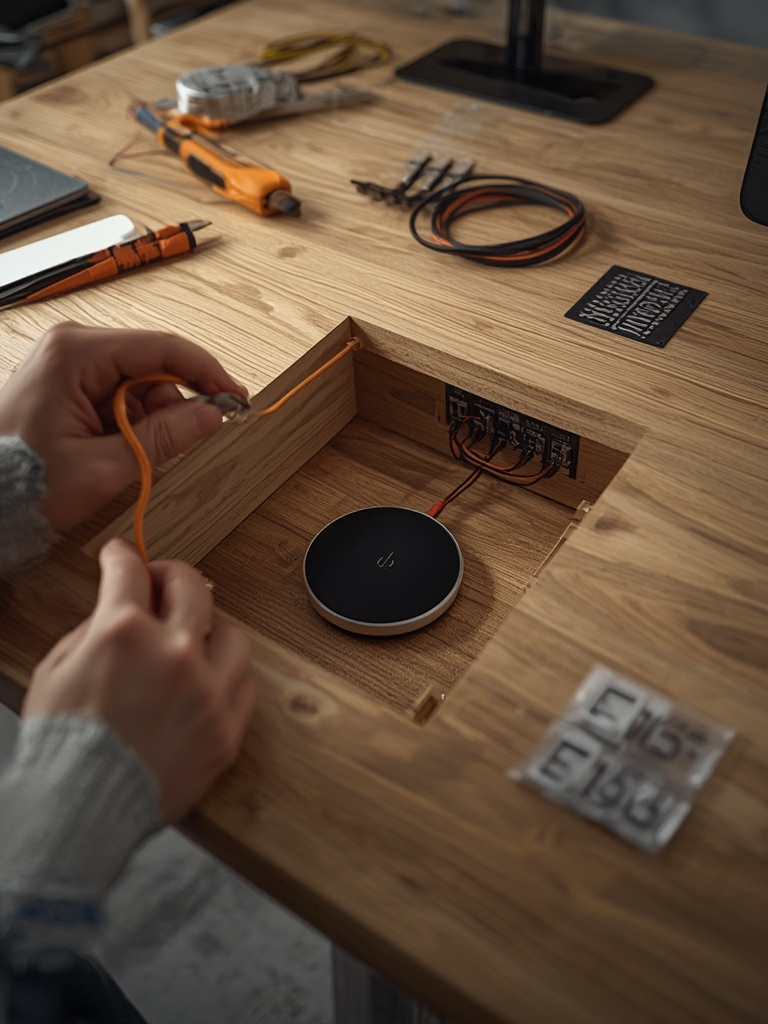
- DIY upgrade: Retro-fit your own furniture using an embedded charging kit, ideally with built-in surge protection.
- Check Technical Specifications
- Supports Qi or PMA wireless standards for maximum compatibility.
- Wattage: 10W to 15W is standard for wireless, up to 65W+ for some USB-C PD furniture chargers.
- surge protection and overheat protection for safety.
- Plan Installation Carefully
- For purchased furniture, confirm power cord placement is accessible to outlets yet remains hidden.
- For DIY, identify where cables will run and how they’ll be managed to preserve aesthetics and prevent tripping hazards.
- Install & Test
- Use a circuit tester to verify safe installation.
- Ensure wireless pads aren’t blocked by metal or thick surfaces.
- Test with all device types for full compatibility.
Looking for more space-saving, tech-forward furniture ideas? Explore how multifunctional kitchen islands and ventless washer dryers can upgrade your living space.
Remember: The level of integration can impact not only cost but safety—always read supplied instructions and consult a licensed electrician for complex setups.
Advanced Analysis & Common Pitfalls: What Most Articles Miss
While most online guides make integrated charging furniture look effortless and sleek, there are a few important considerations—and downsides—that buyers rarely discover until after purchase.
- High up-front costs: Integrated tech can increase furniture price by 30-70% over traditional models. In regions like Norway, this sharply limits adoption among budget shoppers.
- Compatibility limitations: Only Qi or PMA devices will work wirelessly; older gadgets may need adapters or regular USB ports. Aluminum or thick stone surfaces can block wireless charging.
- Hidden installation headaches: Some products demand professional installation, drilling, or complicated cable routing—especially for retrofits, rental units, or stone-topped furniture.
- Smart home integration not guaranteed: Most pieces aren’t natively compatible with Alexa, Google Assistant, or other smart ecosystems unless specifically advertised as “smart furniture.”
- Unknown safety and certification standards: No specific fire safety or electrical certifications are required in many markets. This can be risky with low-quality imports or DIY mods.
Below is a simple comparison of buying vs. DIY upgrading your furniture with hidden charging capability:
| Option | Estimated Cost | Difficulty | Customization | Warranty |
|---|---|---|---|---|
| Pre-built Charging Furniture | High ($250 – $800+ per piece) | Low (plug & play) | Low – style/charger built-in | Yes, limited manufacturer |
| DIY Retrofit Kit | Low-Medium ($25 – $150 per kit) | Medium to High (requires tools, some skill) | High – fits existing furniture style | Charger only, not furniture |
Be mindful that warranties on DIY modifications rarely cover furniture damage, while ready-made products may only include a basic 1-year charger guarantee, not protection for your actual furniture.
- Heat management: Wireless chargers generate moderate heat. Good designs ensure ventilation and use of overheat protection, but some cheap retrofits lack this, risking device or furniture damage.
- Cable management and accessibility: While hidden designs reduce visual clutter, they can make it harder to reach problematic cords or charger parts if maintenance is needed.
Want to supercharge your indoor environment even more? Check out whole home air purification strategies or durable SPC flooring solutions for healthier, more functional spaces.

Conclusion & Final Thoughts
Hidden charging station furniture is rapidly transforming modern interiors—making it easier than ever to charge devices without mess or hassle. Yet, it pays to dig beneath the surface. Weigh the up-front investment, installation obstacles, and technical limitations before you commit. Always verify that chargers meet the latest Qi/PMA standards, check for basic surge and heat safety, and compare DIY vs. pre-built solutions for fit, warranty, and long-term satisfaction. If you’re striving for a more organized, future-ready home, start with the right hidden charging station furniture and invest in smart design today.
Ready to upgrade? Prioritize safety, compatibility, and ease of use for every smart furniture purchase. Need more smart living ideas? Discover how a simple garage conversion or new heat pump water heater can further transform your home’s value.
Frequently Asked Questions
How does hidden charging station furniture work?
Most hidden charging furniture uses induction coils embedded under the surface to enable wireless (Qi or PMA) charging, plus built-in USB or AC outlets. You simply place a compatible device on the marked spot or plug it in directly—the hardware and wiring are fully concealed in the frame or drawer for a seamless look.
Can I retrofit my own furniture with hidden charging?
Yes, you can. Retrofit kits are available for DIY projects, but surface materials should be non-metal and under 1 inch thick. Some effort and careful planning for cable management and safety are required, especially if hardwiring or cutting into solid wood or veneer.
What features should I look for in integrated charging furniture?
Choose pieces supporting Qi (or PMA) for wireless compatibility, sufficient wattage (10-15W wireless, 45-65W for USB-C), surge and overheat protection, and ideally, warranties covering both charger and furniture. Check for USB-C/PD ports for modern device fast charging.
Is hidden charging furniture safe for all devices?
Generally yes, if the furniture uses certified chargers and is installed correctly. Avoid using devices with metal cases or magnetic accessories that could interfere. Verify the furniture includes surge and overheat safeguards to prevent fire or device damage.
Are there standards or certifications to trust?
Check for “Qi Certified” logos and basic electrical safety marks for chargers. Unfortunately, most integrated furniture pieces do not carry specific fire safety certifications. Always buy from reputable vendors and consult a licensed electrician for complex setups.