

Disclosure: As an Amazon Associate, we earn from qualifying purchases. This means we may receive a small commission at no extra cost to you if you click our links.
### Blog Post:
For homeowners looking to protect appliances and electronics, whole home surge protector installation provides an affordable, effective defense against unexpected electrical surges. If you want to avoid costly repairs, keep your HVAC, fridge, and smart devices safe, and ensure electrical code compliance, this guide covers every step of the process—including real costs, tips, and potential pitfalls based on hard numbers for 2024 and beyond.
Key Takeaways
- Expect a professional whole home surge protector installation to cost between $300 and $800, device and labor included.
- Type 2 surge protectors, installed at the main breaker, are the standard for most homes—ask your electrician about local code and electrical panel compatibility.
- Although insurance data is lacking, a small investment in surge protection has the potential to prevent thousands in appliance or HVAC damage.
- What Is Whole Home Surge Protector Installation? (And Why It Matters)
- Step-by-Step Guide: How to Install a Whole Home Surge Protector (2024-2025)
- Advanced Analysis & Common Pitfalls
- Conclusion
- Frequently Asked Questions
What Is Whole Home Surge Protector Installation? (And Why It Matters)
Whole home surge protector installation involves adding a special device to your electrical panel, designed to block or absorb electrical surges before they can damage sensitive electronics like TVs, computers, HVAC systems, or kitchen appliances. Unlike plug-in surge strips, these protectors safeguard every circuit in the house—including hardwired equipment.
With power grid instability and the rising cost of appliances, even a single surge can cause expensive damage. According to HomeAdvisor and Carini Home, the price of professional installation is a fraction of what you would spend replacing modern appliances after a catastrophic power event. New homes often include surge protection, but older homes benefit even more—with upgrades increasingly recommended by electricians and home insurers.

There are three primary types of surge protectors:
- Type 1: Installed before the main breaker for maximum protection (often on homes with exterior service entrances).
- Type 2: Installed at the main breaker panel. The most common and widely recommended for average households.
- Type 3: Point-of-use protectors (like plug-in power strips), which do not require pro installation.
Even if you’ve never had an obvious surge, the protection pays for itself over time—especially if you rely on sensitive smart home tech, electric vehicle chargers, or have recently invested in a new washer-dryer combo or major appliances. For space-saving and efficiency upgrades, consider reading about ventless washer dryer units and whole home air purification systems.
Step-by-Step Guide: How to Install a Whole Home Surge Protector (2024-2025)
Before you schedule a project or consider a DIY attempt, understand the exact steps and what your electrician should do to keep your home safe and compliant. Typical installs can be done in two hours and cost between $300 and $800 depending on device, labor, and location (California pricing) (Denver pricing).
- Assess Your Electrical Panel and Main Service: Electricians check your panel type, breaker space, and amperage. If your panel is outdated or overloaded, you may need an electrical panel upgrade before installing surge protection.
- Choose the Right Surge Protector Type: Most homes go with Type 2 devices, which are affordable and fit inside standard breaker panels. Brands like Eaton, Siemens, Leviton, and Schneider Electric are reliable choices (See brand breakdown).
- Shut Off Power and Secure the Area: For safety, the main power must be shut off. Only a licensed electrician should perform panel work—do not attempt DIY unless you are fully qualified and permitted in your area.
- Install the Surge Protector: The device is mounted inside or beside the electrical panel and wired to a dedicated breaker slot. The electrician connects ground and neutral wires exactly as specified—mistakes can cause protection failure or code violations.
- Label and Test: After restoring power, the installer tests the protector and labels the new circuit. You should receive documentation on device specs, warranty, and maintenance intervals for the surge protector.
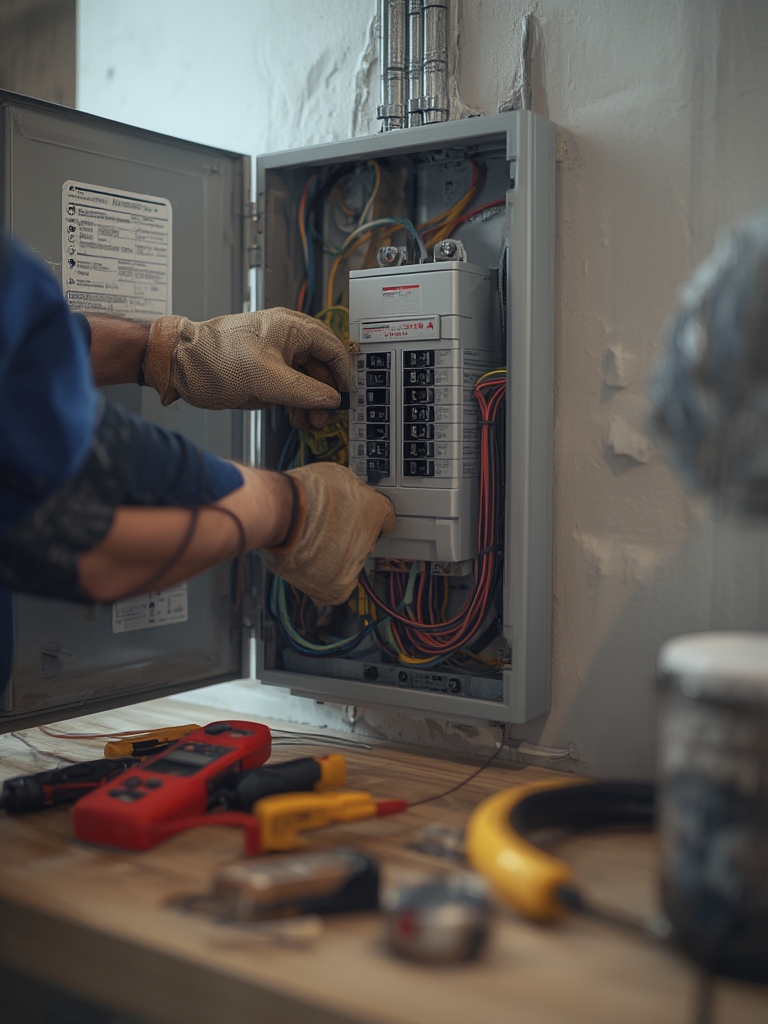
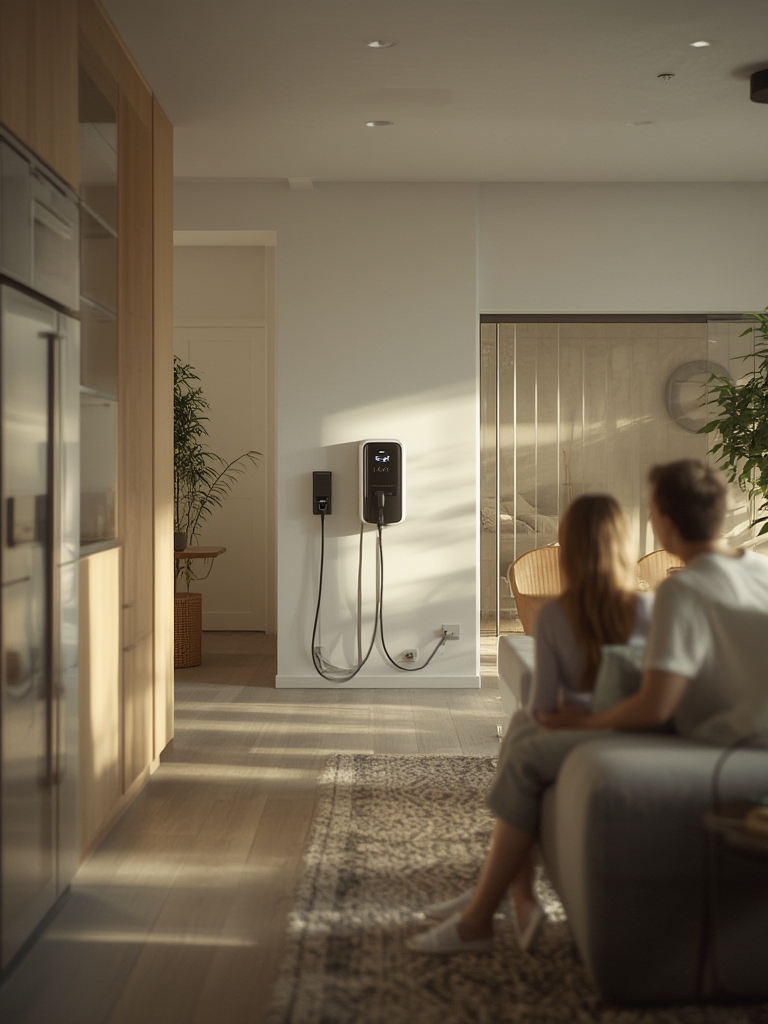
For those pairing surge protection with EV charger installations, combining projects may save service fees (EV Charger Home Installation). Coordination also avoids redundant labor and minimizes panel downtime.
If you want even more space efficiency or are remodeling, check out fluted wall panels and other electrical-friendly finishes.
Advanced Analysis & Common Pitfalls
Even with a professional installation, some common mistakes and misunderstandings can leave your home unprotected—or lead to unnecessary costs. Here are the major pitfalls and advanced considerations based on 2024 data:
| Pitfall | How to Avoid |
|---|---|
| Not checking if your panel is compatible | Ask your installer for a pre-inspection—older panels may need upgrades for code compliance or even can’t accept modern surge protectors. |
| Assuming appliance/HVAC protection is absolute | Even the best whole home devices won’t stop every surge. Sensitive electronics may still need point-of-use Type 3 protectors for ultimate security. |
| Overpaying for device brand or features you don’t need | Top-tier brands offer reliability, but the most expensive model isn’t always necessary. Check warranty, response time, and certified ratings—don’t just buy the priciest unit. |
| Neglecting local code and permit requirements | Always check with your city’s building department. Some jurisdictions require permits, while others do not—for compliance and warranty, don’t skip this step. |
| No maintenance or follow-up inspections | Surge protectors do wear out or require indicator checks. Schedule routine inspections every 2–3 years for lasting protection. |
Data sources such as HomeAdvisor confirm pricing averages; however, actual performance and insurance claim reduction statistics are lacking across the board. As of 2024, there’s no published percentage for HVAC/appliance savings after installation. The best strategy is a customized approach that fits your specific home, especially for remodels or conversions like an ADU garage conversion.
Also, if you have unique needs such as a home gym or office in a converted basement or garage, ensure each new circuit is properly protected and part of the main surge-protected panel (Home Gym Conversion Guide, Basement Conversion Guide).
Conclusion
Whole home surge protector installation is one of the smartest electrical upgrades you can make in 2024—especially as homes fill up with more sensitive devices. It’s affordable, code-approved, and gives real peace of mind. Ensure your installer checks grounding, code compliance, and the correct surge protector for your panel. While statistics on exact damage prevention are missing, the modest upfront cost is dwarfed by the potential savings. If you’re about to upgrade appliances, add an EV charger, or expand your living space, now is the time to protect your investment.
Ready to get started? Contact a licensed electrician and share this guide. For other cost-effective home upgrades, explore our guides on SPC flooring, heat pump water heaters, and ventless heat pump dryers. Don’t wait until a surge strikes to consider whole home surge protector installation—act today to secure your home and appliances.
Frequently Asked Questions
How much does whole home surge protector installation cost?
Most homeowners pay between $300 and $800 total, including the surge device and professional labor. Device cost, brand, complexity, and location can all affect the final price. See real national and regional averages here.
Is a permit required for installing a whole home surge protector?
Permit rules vary depending on your location. Some cities require permits and inspections; others don’t. Always check with your local building department or ask your electrician during the estimate process.
Will a whole home surge protector keep my appliances safe from every surge?
While these devices protect against most voltage spikes from power grid issues or storms, extremely powerful surges (like lightning strikes) can still damage electronics. Some sensitive devices may benefit from additional plug-in surge protectors for maximum defense.
Does my home need a new panel to install surge protection?
If your electrical panel is modern and has space, typically no upgrade is required. However, older or crowded panels may need to be updated or expanded to safely accommodate a new surge protector.
How often should a whole home surge protector be replaced or checked?
Most protectors last three to five years, depending on surge frequency and device quality. Look for indicator lights and schedule inspections during major upgrades, or every 2–3 years, to ensure continued protection.
—